Acral Melanoma Presents With Multiple Intussusceptions in Case Report
Updated
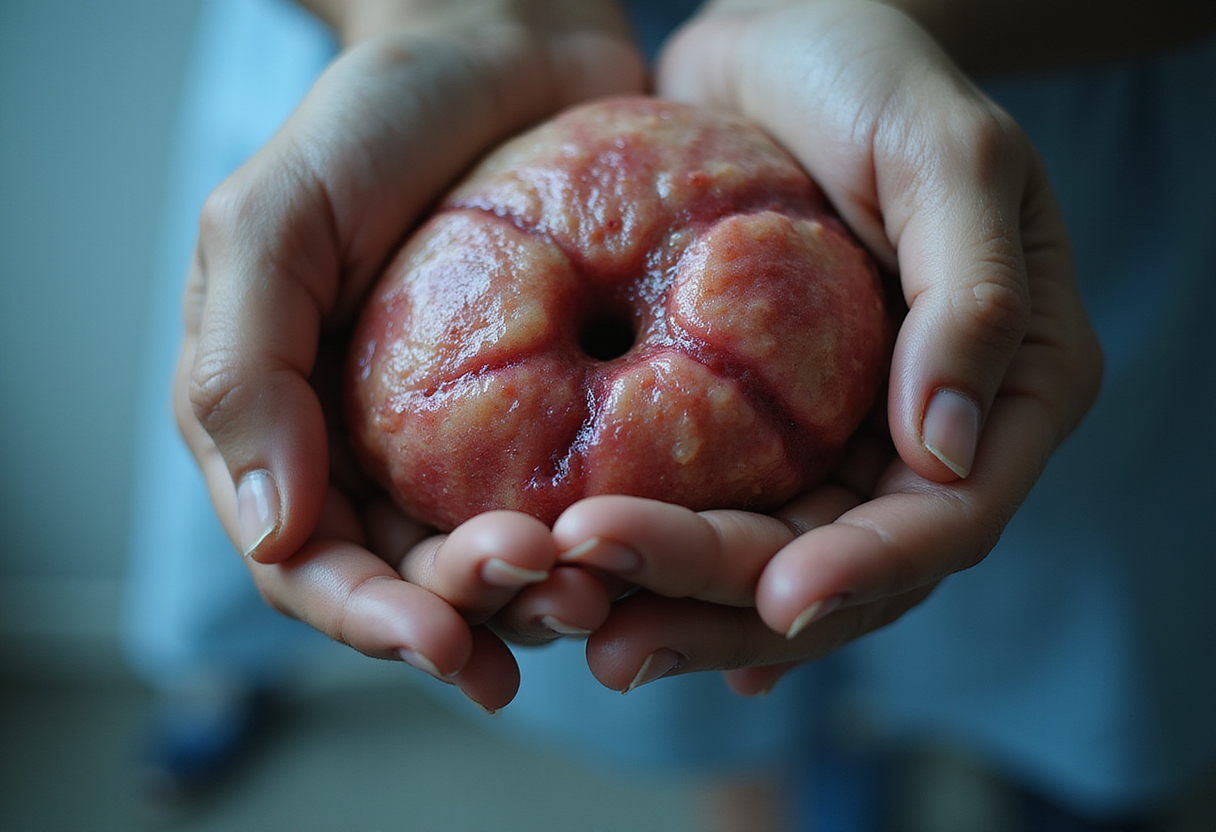
A case report and accompanying literature review published in Frontiers documents a patient whose acral melanoma presented with multiple intussusceptions — a gastrointestinal complication that clinicians rarely encounter as the first sign of the disease.
Acral melanoma arises on the palms, soles, and nail apparatus, and it dominates melanoma statistics in Asian, Hispanic, and African American populations even though cutaneous melanoma overall is less frequent in these groups than in white populations. The subtype carries a reputation for late detection. Lesions develop on skin surfaces patients rarely inspect, and the tumors can progress to advanced stages before anyone raises suspicion.
The newly published report sharpens that problem. In the case described, the patient's pathway to a melanoma diagnosis ran not through a dermatology clinic but through the gastrointestinal service, after multiple episodes of intussusception — the telescoping of one segment of bowel into another — signaled metastatic involvement.
Intussusception in adults is uncommon. When it occurs, physicians generally assume an underlying lesion acts as the lead point, and in the setting of known malignancy, metastatic deposits are among the culprits. Melanoma is notorious for its capacity to metastasize to virtually any organ, and the gastrointestinal tract is a recognized destination. Small-bowel metastases from cutaneous melanoma are a documented phenomenon, and a metastatic nodule can serve as the pathological lead point that drags bowel into itself.
What makes the case noteworthy is the direction of discovery. Most literature on melanoma metastases to the gut describes patients with an established melanoma history who later develop obstructive symptoms. Here, the gastrointestinal events themselves surfaced as the presenting feature, forcing clinicians to work backward toward an acral primary. The authors support their case with a structured review of prior reports, situating the episode within the small body of literature on melanoma-associated intussusception.
For dermatologists, the report carries a practical warning. A patient presenting with recurrent or unexplained intussusception, particularly with pigmented or evolving lesions on acral skin, warrants a thorough cutaneous examination including the palms, soles, and nail units. The reverse also holds: patients with a history of acral melanoma who develop abdominal pain, obstruction, or bleeding merit prompt gastrointestinal evaluation, because metastatic seeding of the bowel can appear years after the primary tumor.
Acral melanoma itself demands vigilance at every stage of care. The subtype often evades the ABCD heuristic that serves clinicians well on sun-exposed skin; nodular or amelanotic variants and subungual presentations complicate early recognition. Diagnostic delay remains one of the strongest modifiable factors in its disproportionately poor outcomes relative to other melanoma subtypes.
The case report format has limits, and the authors frame their findings accordingly. A single patient cannot establish prevalence, and literature reviews of rare presentations inherit the biases of the published record. Still, case reports of unusual metastatic patterns serve a distinct function in oncology: they calibrate clinical suspicion, expand differential diagnoses, and accumulate into the evidence base that later systematic reviews can mine.
The Frontiers publication adds one more data point to that accumulation — and, more concretely, one more reminder that acral melanoma can announce itself through organs far removed from the skin where it begins.
Source: Google News: Melanoma
Tom Whitfield
Show full bio
Senior reporter covering companies, deals and strategy in Clinical dermatology, inflammatory skin disease and biologics at Derm Field.