Active Acupressure Shows Clinical Benefits in Rosacea: Report
Updated
By Daniel Okafor
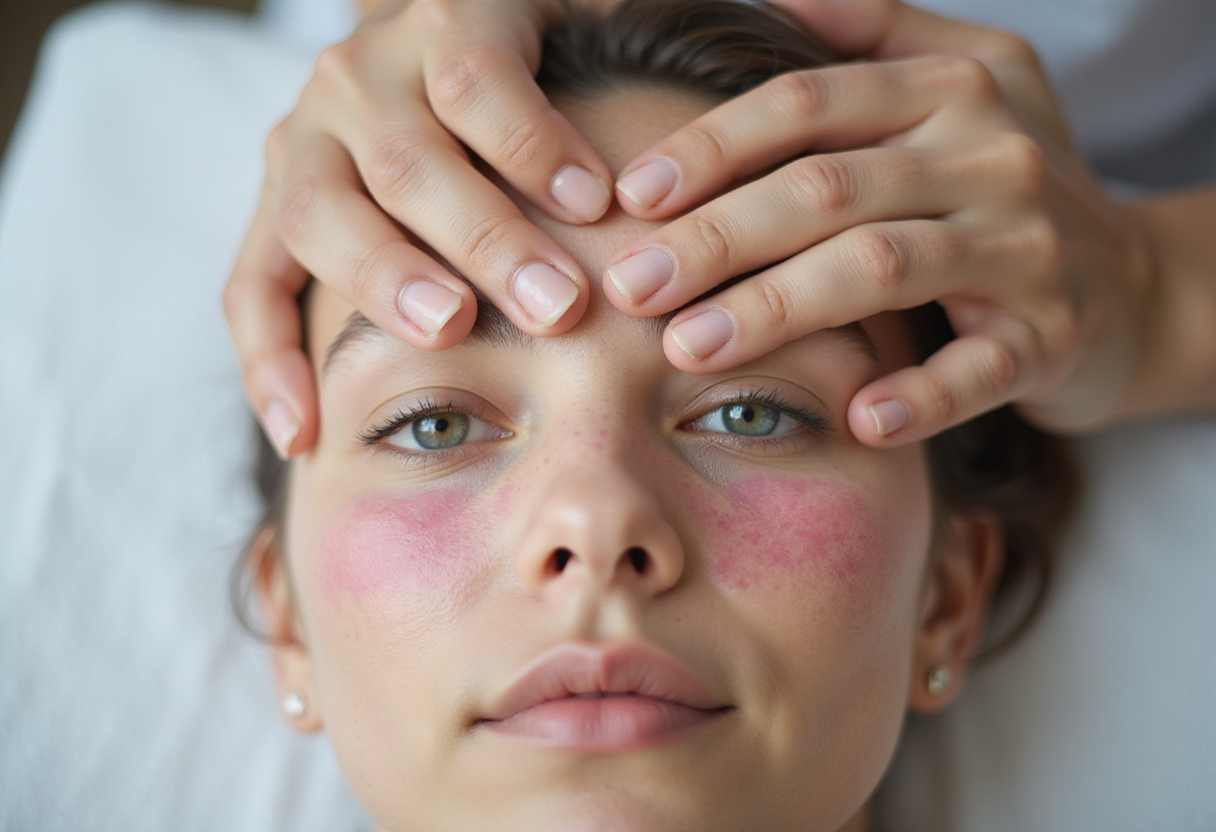
Active acupressure delivered clinical benefits in patients with rosacea, per a Medical Xpress headline circulated this week.
One headline. One claim. No numbers, no investigator, no journal citation in the available material. That is the honest floor.
Picture a dermatologist mid-morning, coffee cooling, swiping headlines between patients. Rosacea fills her afternoon slot. Metro gel for one. Soothing cleanser for another. A frustrated patient asks, again, whether acupuncture might help. Then this lands: active acupressure, clinical benefits, rosacea. The eyebrows lift.
What the term actually covers
Active acupressure is, by definition, a structured hands-on protocol — distinct from sham pressure or casual self-massage. The "active" framing carries weight in trial design. If the Medical Xpress piece reflects a controlled study, expect sham acupressure as comparator. If it leans toward a case series, comparator may simply be baseline. That distinction separates a probe from a proof.
Where rosacea treatment stands today
Rosacea pharmacotherapy has barely shifted this decade. Topicals stay metronidazole, ivermectin, azelaic acid. Orals added low-dose minocycline. Brimonidine and oxymetazoline handle transient erythema. Lasers and light devices handle background redness and telangiectasias. Each tool arrived with press fanfare. Each earned its chair through repeated trial work. Active acupressure now asks for the same runway.
The pattern complementary therapies leave behind
The dermatology press has chronicled complementary rosacea therapies for two decades. Light masks, tea-tree regimens, probiotic topicals, oral zinc — each drew coverage, then quiet. A few carved niche indications. Most did not survive independent replication. The pattern argues for patience.
A credible rosacea signal should hold up under sham control, blinded photography, and at least eight weeks of follow-up. None of those guardrails appear in the headline itself.
What practice would actually face, if the data hold
Acupressure sits awkwardly inside dermatology coding. Sessions typically bill under acupuncture or massage codes, not dermatology CPTs. Reimbursement rarely follows the patient into the derm clinic. If a high-quality rosacea trial lands, access questions will trail it by quarters, not days.
Patients who ask tomorrow should hear a measured line: the headline is encouraging, the paper is not yet in our hands.
How this news usually reaches a waiting room
Patients search. They read lifestyle headlines. They text a friend. They walk into clinics asking about a treatment their dermatologist has not seen in trial form. That sequence is its own pressure on clinicians, who must translate buzz into a careful answer without dismissing the patient.
What to watch next
The forward look, grounded in what we know. Watch for the underlying paper. Watch for sham control, a defined rosacea endpoint, and a number to anchor the effect size. When those land, the conversation about reimbursement and clinical access can begin in earnest.
One takeaway, plain: a press headline can move a market. It cannot yet move a treatment plan.
Source: Google News: Dermatology
Daniel Okafor
Show full bio
Staff writer covering people, launches and day-to-day practice in Clinical dermatology, inflammatory skin disease and biologics at Derm Field.