Algorithms Cannot Heal Rural Dermatology's Workforce Gap, Medscape Argues
Updated
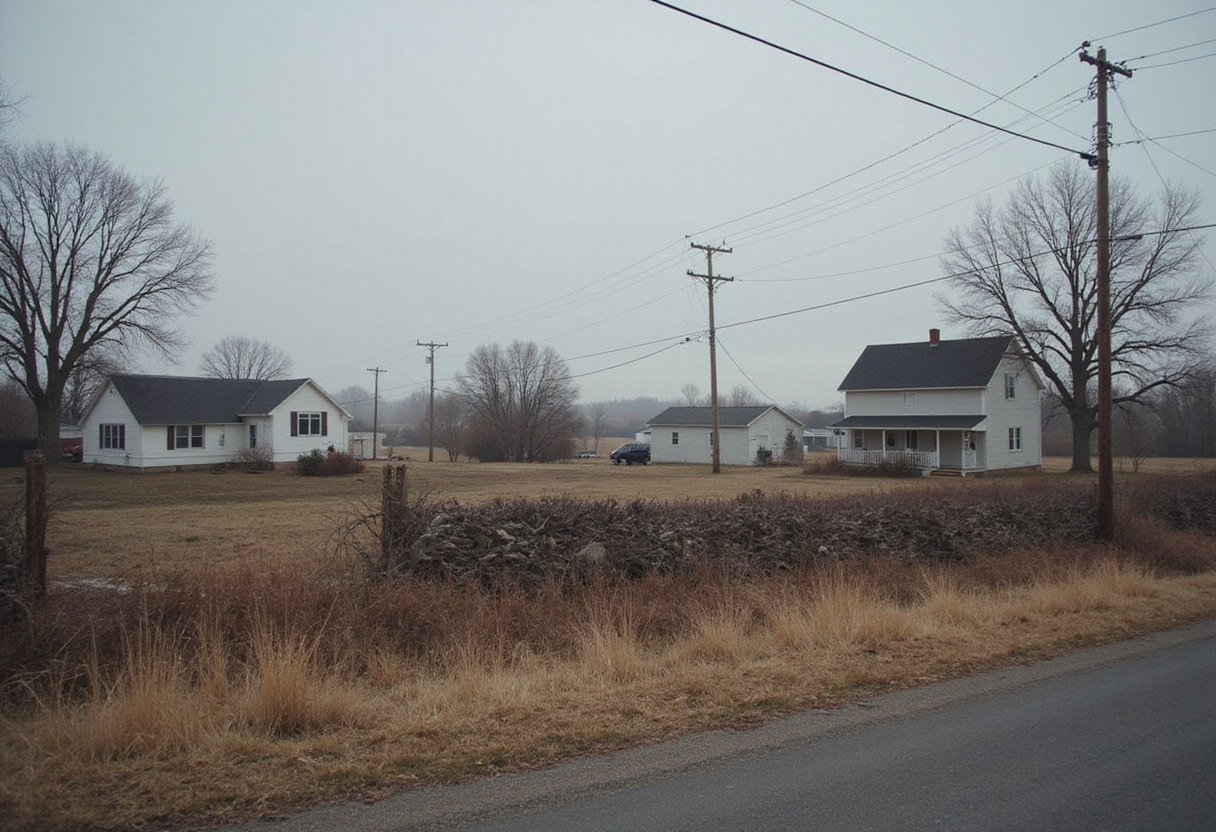
A Medscape essay titled "What Algorithms Cannot Heal: The Future of Rural Dermatology" reframes the rural-access conversation around what diagnostic software, teledermatology platforms and machine-learning triage tools cannot do — even as their adoption accelerates across US counties without a practicing board-certified dermatologist.
The piece, distributed through Medscape's editorial channels, positions technology as a partial answer rather than a substitute for clinicians. The title itself functions as a thesis: algorithms can classify images, triage referrals and shorten wait times, but they cannot perform biopsies, excise tumors, monitor systemic therapies or rebuild the workforce and infrastructure that rural patients have never had.
What is the rural dermatology problem the piece addresses?
Rural counties in the United States have long carried a disproportionate share of skin-disease burden with a thin specialty footprint. Patients in dermatology-underserved zip codes travel further for new-patient appointments and wait longer to be seen, and they present with more advanced disease at first contact. Occupational exposures among agricultural, fishing and outdoor workers also shape the case mix in ways urban training programs do not always anticipate.
Where do algorithms fall short?
Convolutional neural networks and commercial teledermatology classifiers perform best on clearly framed dermoscopic images of common lesions. They struggle with the edge cases that already challenge general dermatologists: acral and mucosal lesions, pigmented lesions in skin of color, field-cancerized skin and the longitudinal follow-up that early melanoma and atypical nevi require. The Medscape title points to this gap — algorithms cannot heal what they cannot reliably see, document or follow across years of patient care.
What does rural practice require beyond code?
The piece's framing implies a workforce-first, infrastructure-second argument. Sustainable access in non-metropolitan counties depends on:
- Loan-repayment and visa-waiver incentives tied to rural placement
- Expanded scope-of-practice for primary-care clinicians managing common skin disease
- Reimbursable store-and-forward teledermatology workflows
- Reliable broadband as a precondition for any of the above
Algorithms can amplify each of these levers. None of them replace the clinician, the license or the broadband connection.
What changes if technology does not bend the curve?
If AI triage and teledermatomy do not change the access math, US counties without a practicing dermatologist will continue to absorb the downstream cost of late-stage melanoma, untreated inflammatory disease and undermanaged skin cancer. The clinical pipeline — biopsy, excision, AJCC staging, systemic-therapy monitoring — still runs through a person with hands, training and a payer contract.
Where does the field go from here?
The Medscape essay's title ends with a challenge rather than a prediction. The future of rural dermatology will be decided not by which algorithm scores highest on an internal validation set, but by whether the specialty rebuilds the workforce, reimbursement and connectivity layers that rural patients have been missing for decades. The piece is a reminder that code can triage a lesion; only policy, capital and clinicians can heal a county.
Source: Google News: Dermatology
Tom Whitfield
Show full bio
Senior reporter covering companies, deals and strategy in Clinical dermatology, inflammatory skin disease and biologics at Derm Field.