Atopic Dermatitis Wound Care Draws New Attention
Updated
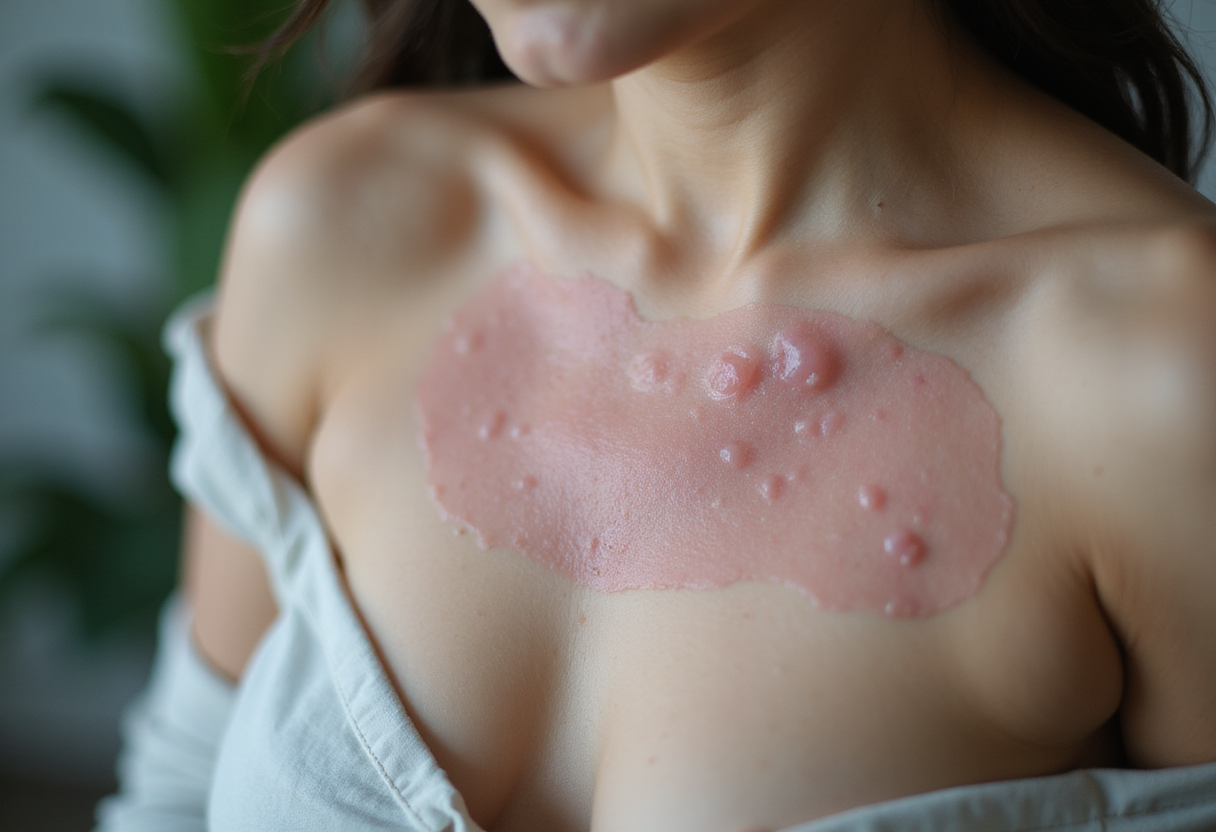
Everyday Health has published a guide on caring for wounds that develop in patients with atopic dermatitis, focusing on a complication that dermatology clinics see regularly: skin breakdown arising from chronic eczema lesions.
Open, weeping or fissured lesions are a common and burdensome feature of moderate-to-severe atopic dermatitis. Scratching, xerosis and impaired barrier function combine to produce erosions and excoriations that raise the risk of secondary infection — most notably impetiginization and eczema herpeticum — and can delay response to anti-inflammatory therapy.
The Everyday Health piece targets patients and caregivers rather than clinicians, but its appearance underscores a persistent gap in practical guidance: how to manage the wound component of atopic dermatitis alongside standard anti-inflammatory treatment, rather than as an afterthought.
We at Derm Field have not yet reviewed the full text of the guide, and the headline alone does not specify which interventions it recommends — whether moist wound-healing principles, antimicrobial dressings, dilute bleach baths, topical emollient protocols or infection triage. Readers should treat the source as patient-education material rather than trial-backed clinical guidance; no effect sizes, cohort data or study designs accompany the headline.
That caveat matters. Wound care in atopic dermatitis remains an area where much everyday practice rests on expert consensus and dermatology society guidance rather than randomized evidence, and patient-facing media often blends manufacturer claims with clinical advice without distinguishing the two.
For clinicians, the practical questions the guide likely addresses are familiar: when an eroded eczema lesion warrants a culture, when topical antibiotics or antiseptics are appropriate, how to sequence wound care with topical corticosteroids and calcineurin inhibitors, and which dressing categories — hydrocolloids, foams, nonadherent contact layers — suit exudative versus dry lesions.
Patient education of this kind carries real value if it reduces delayed presentation of infected lesions, particularly eczema herpeticum, which demands urgent antiviral therapy. It also matters for adherence: patients who understand why their skin is breaking down are more likely to sustain emollient and anti-inflammatory regimens between flares.
As atopic dermatitis treatment increasingly centers on biologics and systemic agents, wound-management basics retain their place in daily practice. A full review of the Everyday Health guide's specific recommendations will determine whether it offers anything dermatologists can safely recommend to their patients as a supplement to in-office counseling.
Source: Google News: Atopic dermatitis
Olivia Hart
Show full bio
News editor covering technology and product news in Clinical dermatology, inflammatory skin disease and biologics at Derm Field.