Coal Tar Shampoo for Dandruff: A Dermatologist's View
Updated
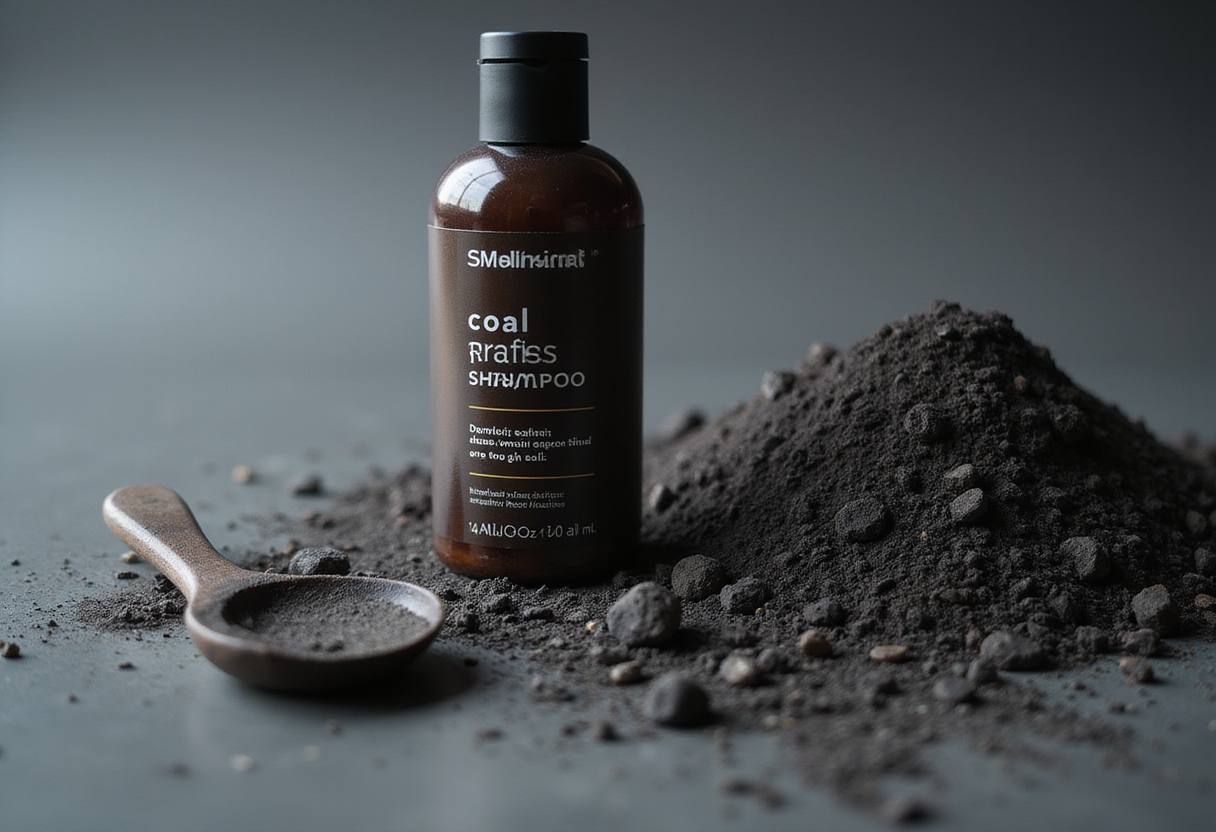
Coal tar shampoo remains one of the most widely used over-the-counter options for dandruff and seborrheic-type flaking, and an Indian Express interview with a dermatologist has renewed attention to how the active ingredient should — and should not — be used.
The piece collects a practicing dermatologist's guidance across four areas: the benefits of coal tar as a treatment for dandruff, the risks and side effects users should watch for, the precautions that make treatment safer and more effective, and the myths that continue to shape patient behavior.
Why coal tar still matters for scalp flaking
Coal tar is a long-established keratolytic and anti-inflammatory active. Dermatologists have recommended it for decades, not only for dandruff but also for scalp psoriasis, where it helps slow excessive skin cell turnover and reduce scaling, itching and inflammation.
According to the dermatologist cited in the report, its accessibility as a non-prescription product is part of its appeal. Patients can buy coal tar shampoos without a clinic visit, which makes them a practical first-line option for mild to moderate flaking — provided they understand how to use the product correctly.
What are the risks?
The interview does not present coal tar as risk-free. As with any active ingredient, users can experience irritation, and the dermatologist flags the importance of recognizing when a reaction warrants stopping the product and seeking professional advice.
Key cautionary points from the guidance include:
- Sensitivity and irritation can occur, particularly with incorrect or overly frequent use.
- Users should follow product instructions rather than improvising on contact time or frequency.
- Persistent or severe scalp problems are a signal to consult a dermatologist rather than continue self-treatment.
The message is consistent with standard clinical practice: over-the-counter actives are appropriate for mild disease, but they are not a substitute for diagnosis when symptoms do not resolve.
Which precautions did the dermatologist highlight?
Proper use is central to the advice. The dermatologist emphasizes reading and following the directions on the specific product, since formulations and concentrations vary across brands.
Precautions discussed in the report include:
- Using the shampoo as directed rather than more often than recommended.
- Paying attention to how the scalp responds over the course of treatment.
- Seeking dermatological evaluation if dandruff persists despite appropriate use, since persistent flaking may reflect an underlying condition that requires diagnosis.
That last point carries practical weight. Dandruff-like scaling overlaps clinically with seborrheic dermatitis, scalp psoriasis and other inflammatory conditions, and a product that works for one may be ineffective — or counterproductive — for another.
What myths did the interview address?
The dermatologist also tackles common misconceptions surrounding coal tar shampoo. The interview's framing suggests the goal is to separate evidence-informed use from habits and beliefs that patients pick up informally.
Among the concerns that surface in discussions of coal tar products:
- Assumptions that all dandruff is the same and any anti-dandruff shampoo will work.
- Beliefs that more frequent or longer use produces faster results.
- Hesitancy based on the ingredient's smell, color or reputation rather than its clinical record.
The dermatologist's position, as presented, is that coal tar shampoo is a legitimate, professionally recommended option when used as intended — and that patient education is the main barrier to getting good results with it.
The takeaway for patients and clinicians
For patients with straightforward dandruff, coal tar shampoo remains an accessible starting point with a long clinical history behind it. For anyone whose symptoms persist, worsen, or come with signs of broader scalp disease, the guidance is unambiguous: stop self-treating and get a diagnosis.
As consumer interest in legacy actives like coal tar continues, dermatologist-led explainers of this kind are likely to remain a key channel through which patients first encounter — and learn to correctly use — the ingredient.
Source: Google News: Dermatology
Amara Osei
Show full bio
Correspondent covering technology and product news in Clinical dermatology, inflammatory skin disease and biologics at Derm Field.