Could Barbers Become Frontline Partners in Skin Cancer Detection?
Updated
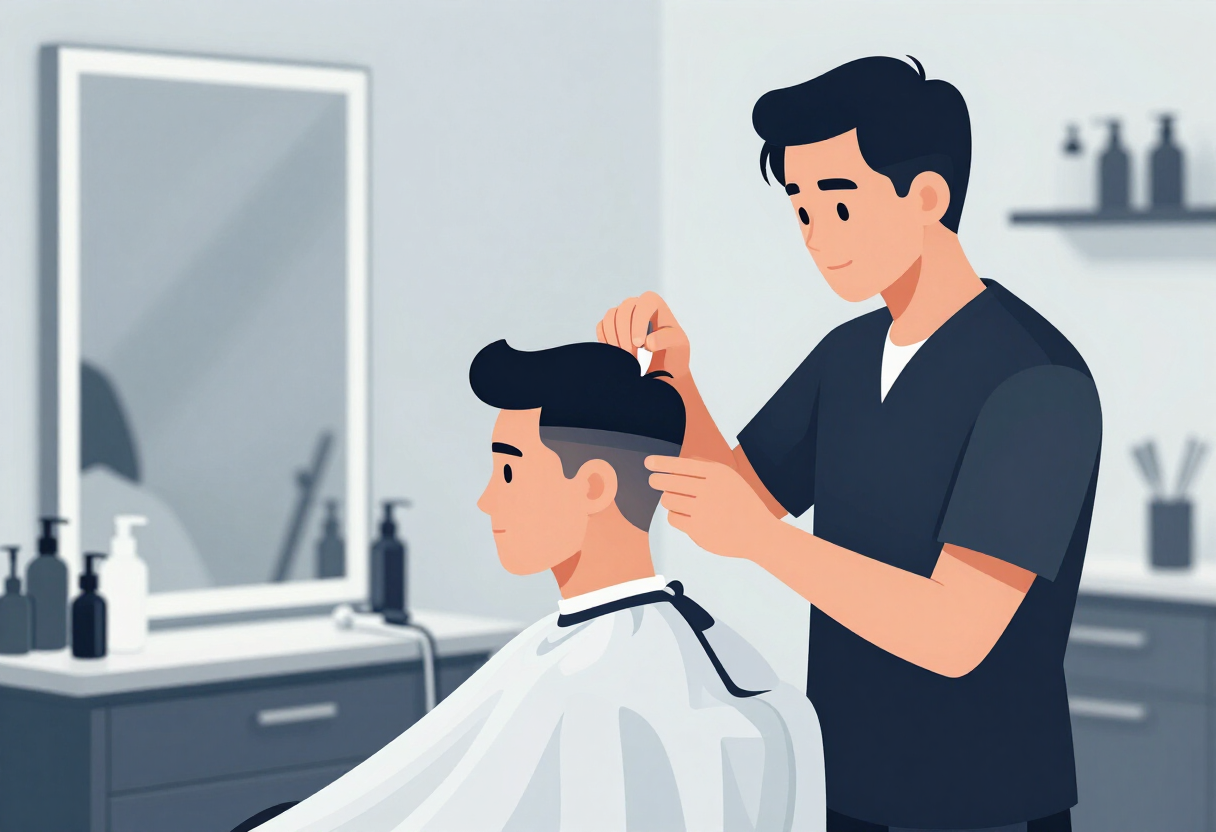
The University of Portsmouth has posed a question that sits at the intersection of public health and everyday routine: could your barber help prevent skin cancer?
The proposition is straightforward. Barbers and hairdressers examine the scalp, ears and neck — areas patients rarely inspect and physicians rarely see during standard consultations — on a regular, often monthly, basis. Those regions are established sites for skin malignancies, including melanoma and non-melanoma skin cancers such as basal cell carcinoma and squamous cell carcinoma.
The Portsmouth announcement frames the idea as a public-health opportunity rather than a diagnostic substitution. Hair professionals are not clinicians, and no one is proposing they diagnose disease. The question is whether they can be trained to notice suspicious lesions and encourage clients to seek dermatological evaluation, functioning as an informal early-detection network.
The logic tracks with how other community-based screening efforts have developed. Pharmacists, dentists and optometrists have each taken on expanded roles in flagging conditions outside their core practice, from hypertension to oral cancer. Barbers in particular serve a clientele that may have limited contact with primary care, and scalp inspection requires nothing more than the vantage point their work already provides.
Early detection remains one of the strongest predictors of outcome in skin cancer. Melanomas caught at an early stage carry a far better prognosis than those identified after progression, which is why opportunistic observation by any trained pair of eyes carries potential value.
For dermatologists, the concept raises both opportunity and questions. If barbers and hair professionals were equipped with basic visual-recognition guidance, referrals to specialist clinics could increase. Whether that translates into earlier diagnoses, better outcomes, or simply more benign-lesion referrals would need to be demonstrated through structured evaluation rather than assumed.
The University of Portsmouth's framing invites exactly that conversation: a low-cost, high-reach channel for skin cancer awareness embedded in an appointment most adults already keep several times a year. Whether the idea develops into formal training programmes, research partnerships with dermatology departments, or stays a provocative headline depends on the evidence that follows.
Source: Google News: Skin cancer
Olivia Hart
Show full bio
News editor covering technology and product news in Clinical dermatology, inflammatory skin disease and biologics at Derm Field.