Fall Clinical 2026: Dermatology Advisor Opens Practice-Update Hub
Updated
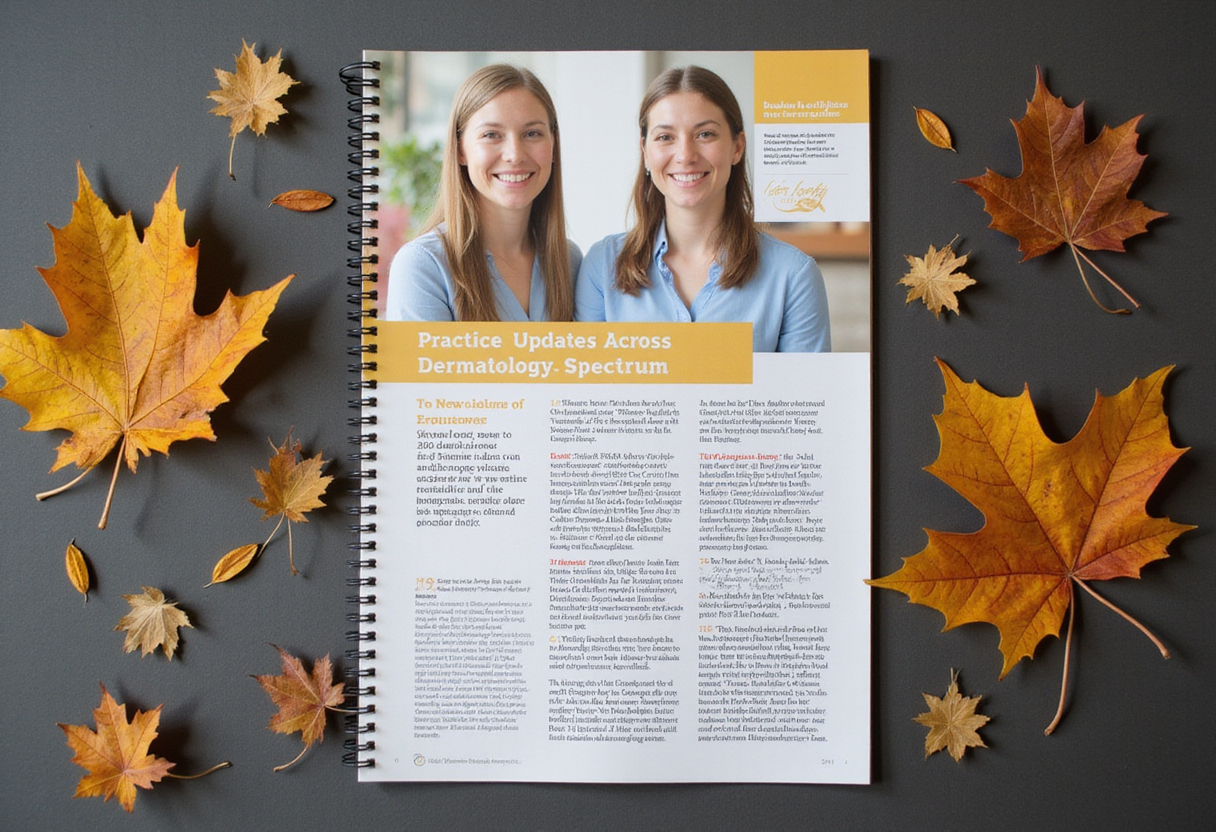
Dermatology Advisor has launched a coverage hub for Fall Clinical 2026 under the headline "Practice Updates Across the Dermatology Spectrum." The publication posted the package online ahead of the meeting, framing it as a cross-track update spanning medical, surgical and aesthetic dermatology for practicing clinicians.
Source material available at press time is limited to the hub's title and publisher attribution. Dermatology Advisor has not yet released session abstracts, faculty rosters or specific trial readouts; those typically populate during and after the meeting window.
What does the spectrum cover?
Fall Clinical conferences have historically run a five-track structure. Inflammatory disease fills the psoriasis, atopic dermatitis and hidradenitis suppurativa slots, with PASI 90/100 and EASI-75 readouts serving as standard benchmarks. Skin cancer carries melanoma staging updates, Mohs technique refinements and high-risk cutaneous squamous cell carcinoma data, with AJCC stage and Breslow depth appearing regularly across the slide decks.
Acne and rosacea anchor the medical dermatology track, leaning on topical retinoid comparisons, hormonal therapy reviews and tetracycline-class renewals. Aesthetic dermatology covers neuromodulator dosing shifts, hyaluronic acid filler updates and energy-based device parameters for laser and radiofrequency platforms. Practice management handles CPT changes for biopsies, destructions and Mohs surgery, alongside prior authorization workflow updates and Medicare's quality payment program scoring.
Dermatology Advisor's hub title maps cleanly onto that template.
How does the publication package it?
Dermatology Advisor's coverage typically serves as CME-adjacent reading for board-certified dermatologists. The publication has a track record of separating manufacturer claims from trial data in its aesthetic coverage, and of stating PASI, EASI, Breslow and AJCC stage values verbatim where abstracts provide them.
That discipline positions the Fall Clinical 2026 hub as a useful index for clinicians who treat the conference as an annual reset point on the year's pipeline. Most readers use the meeting to consolidate FDA actions, label expansions and pivotal trial endpoints presented elsewhere over the prior twelve months.
What's the timing?
The hub's posting date places coverage ahead of the meeting — agenda-setting in function. Dermatology Advisor has historically posted live reporting from the meeting floor in earlier cycles, and the 2026 hub is positioned to follow that pattern once abstracts drop and sessions convene. The Fall Clinical series typically meets in early Q4, drawing U.S. and international faculty into plenary and workshop formats that run three to four days.
If cadence holds, the publication will add roughly four to six curated updates per week through the meeting window, expanding into specialty sub-queues as the conference progresses.
Forward-looking: the 2026 cycle will close by year-end, with the hub archive likely driving 2027 prescribing and coding decisions for dermatologists who use Fall Clinical as their annual pipeline review.
Tom Whitfield covers dermatology conferences for Derm Field and will track the Fall Clinical 2026 hub as entries arrive.
Source: Google News: Dermatology
Tom Whitfield
Show full bio
Senior reporter covering companies, deals and strategy in Clinical dermatology, inflammatory skin disease and biologics at Derm Field.