FDA Clears New Sunscreen Ingredient; Product Reaches U.S. Shelves
Updated
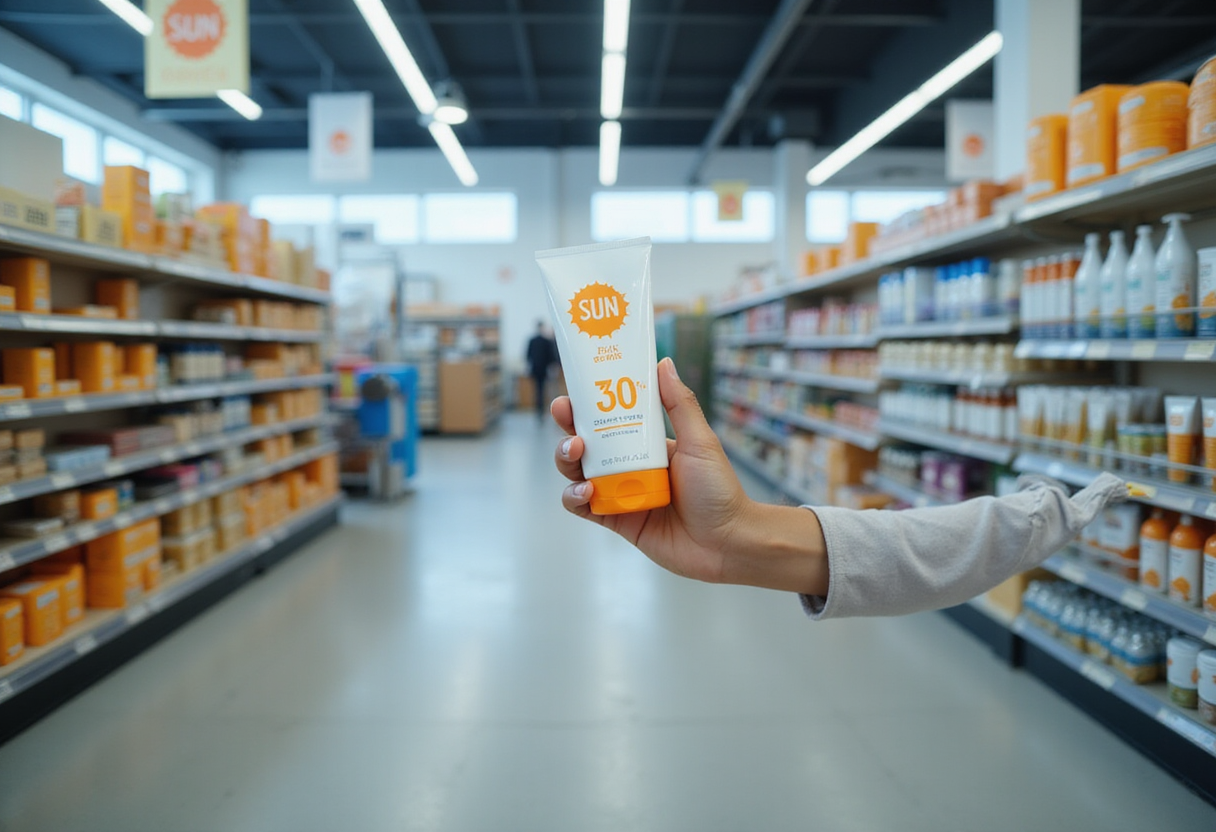
A new sunscreen ingredient has reached U.S. store shelves following approval by the Food and Drug Administration, according to a report from Talk Radio 98.3 WLAC. The ingredient has cleared the FDA's review process and is now appearing in sunscreen products sold to American consumers.
The approval matters because the FDA's sunscreen monograph has moved slowly for years, and any new UV filter entering the U.S. market is a genuine event for dermatologists who counsel patients on photoprotection daily.
What happened?
The FDA has approved a new sunscreen ingredient, and products containing it are now available on U.S. shelves. The report confirms both the regulatory clearance and the commercial rollout. It does not specify the ingredient's chemical name, the approval date, or the product brands carrying it.
For clinicians, the practical takeaway is straightforward: a new UV-filter option now exists in the U.S. sunscreen supply, and patients may start asking about it at the counter and in the exam room.
Why a new filter is news in the U.S.
The United States has historically lagged behind Europe and Asia in sunscreen filter availability. The FDA's last final over-the-counter sunscreen monograph dates to 1999, and the agency has approved only a small number of new UV filters in the decades since. Most filters widely used abroad — among them several modern photostable UVA blockers — have never completed the FDA's drug-approval pathway for over-the-counter use.
That gap has shaped dermatology practice. Patients traveling abroad often return asking why European and Asian sunscreens feel lighter or cosmetically more elegant than U.S. equivalents. The answer has usually been filter availability, not formulation skill.
Any addition to the approved list therefore changes the conversation dermatologists can have about daily photoprotection, photoaging prevention and skin-cancer risk reduction — the three core indications driving sunscreen counseling in clinical practice.
What dermatologists will want to know next
The WLAC report is a headline-level announcement, and several clinically relevant details are not yet public in that coverage. Key questions for follow-up:
- Spectrum of protection — whether the ingredient blocks UVB, UVA or both, and its photostability profile
- Concentration limits — the maximum percentage permitted in finished products
- Formulation type — whether it's a chemical (organic) filter or a mineral (inorganic) agent
- First products to market — which brands and SKOs carry it, and at what price points
- Safety data — the systemic absorption and irritation findings that supported approval
These are the specifics that determine whether the ingredient meaningfully improves adherence — a persistent problem, since most patients under-apply sunscreen by half or more relative to the tested 2 mg/cm² standard.
The counseling context
Skin cancer remains the most common malignancy in the United States, and daily broad-spectrum sunscreen use with SPF 30 or higher is a foundation of prevention guidance from dermatology societies. A new filter does not change that guidance. What it can change is tolerability, cosmetic elegance and patient willingness to apply product consistently — factors dermatologists consistently rank among the biggest barriers to effective photoprotection.
Clinicians should expect patient questions to arrive before detailed clinical data does. As further specifics on the ingredient's identity, concentration and first product launches emerge, Derm Field will track them.
Source: Google News: Skin cancer
Tom Whitfield
Show full bio
Senior reporter covering companies, deals and strategy in Clinical dermatology, inflammatory skin disease and biologics at Derm Field.