JAAD commentary examines siblings as caregivers in dermatology
Updated
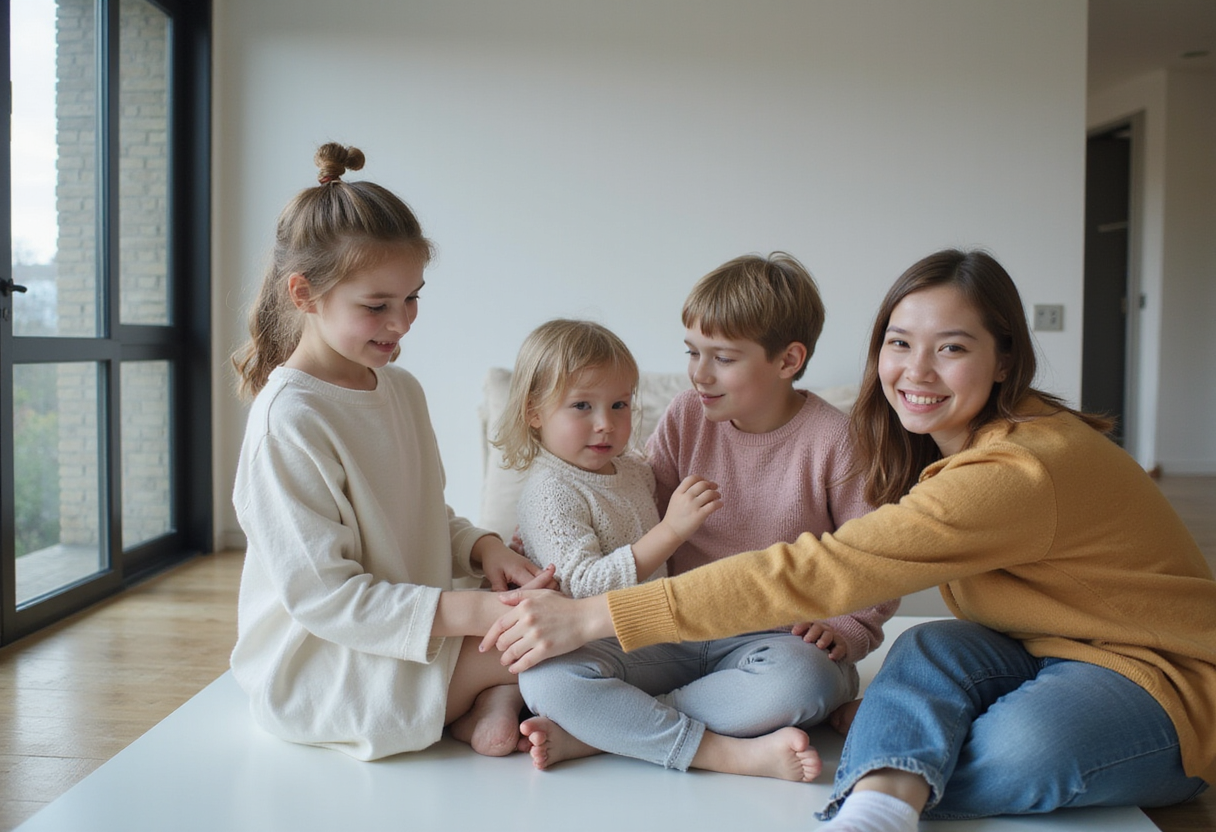
The Journal of the American Academy of Dermatology published a commentary online on 10 October 2026 titled "When siblings become caregivers: Balancing participation and protection in dermatology," authored by Rahib K. Islam and Jashin J. Wu.
The publication addresses a clinical scenario dermatologists encounter regularly but rarely formalize: a brother or sister who administers topical therapy, monitors lesions, or coordinates appointments for a patient with chronic skin disease. Islam and Wu frame the central tension in their title itself — participation versus protection — and the piece appeared in JAAD, one of the field's highest-impact peer-reviewed venues.
Why does the sibling-caregiver question matter to dermatology?
Chronic dermatologic conditions such as psoriasis, atopic dermatitis, and epidermolysis bullosa demand sustained home-based care. When parents are absent, overwhelmed, or themselves ill, siblings frequently absorb caregiving tasks that fall outside formal care structures.
The commentary's framing suggests two competing obligations for clinicians:
- Participation: siblings can be competent, emotionally invested caregivers whose involvement strengthens adherence and disease monitoring.
- Protection: sibling caregivers are minors or young dependents in many cases, and their labor, exposure to disease burden, and emotional load require safeguarding.
What does the title signal about the authors' approach?
The word "balancing" positions the article as a practical weighing of interests rather than a prohibition or an endorsement. For dermatology practices, that framing invites review of how clinics currently assign education, demonstration of topical application, and follow-up responsibility when a sibling is the de facto caregiver at home.
Author credentials anchor the piece in outcomes-focused dermatology. Jashin J. Wu is a widely published researcher in psoriasis and real-world treatment patterns; Rahib K. Islam co-authors in the same clinical-research orbit. A sibling-caregiving commentary from this pairing signals attention to the practical delivery of care, not bioethics alone.
How should practices use this commentary?
Because the article is a commentary rather than a trial, it carries expert-opinion evidence weight rather than interventional data. Practices reading it can reasonably expect:
- Guidance on when sibling involvement in care is appropriate and when it shifts into undue burden
- Considerations for documentation and counseling when a sibling administers therapy
- A framework for clinicians to recognize caregiver strain that families rarely report spontaneously
The 10 October 2026 online availability means the piece is citable now for clinicians developing clinic protocols, caregiver-education materials, or teaching cases on family-centered dermatologic care.
What comes next?
Whether JAAD or companion journals follow with survey data quantifying sibling caregiving prevalence in dermatology populations will determine if this commentary becomes the seed of a formal research agenda on family caregiver roles in chronic skin disease.
Source: Journal of the American Academy of Dermatology (Elsevier)
Tom Whitfield
Show full bio
Senior reporter covering companies, deals and strategy in Clinical dermatology, inflammatory skin disease and biologics at Derm Field.