Cosmeceuticals & Skincare Science
Microbiome Science Moves From Hype to Beauty's Core R&D
Updated
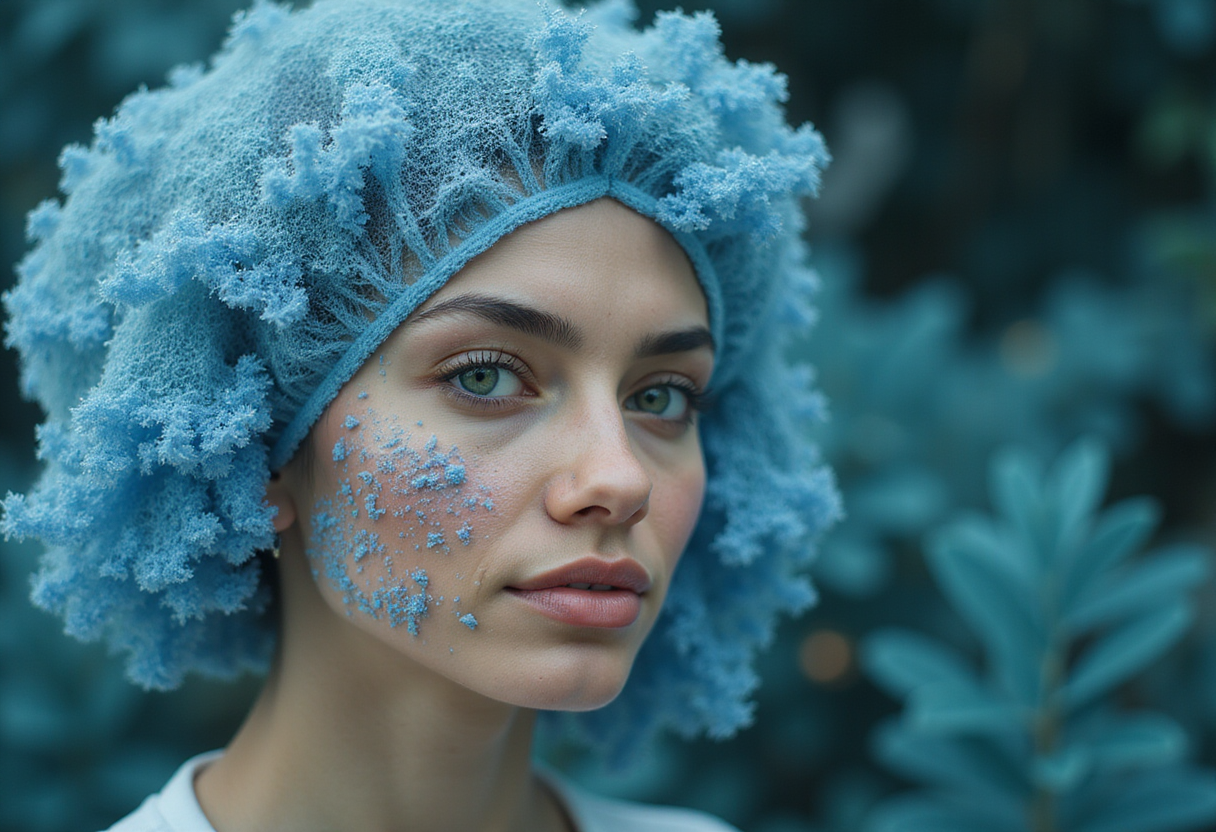
The clearest signal in beauty R&D right now is not an ingredient. It's a shift in how the industry frames skin itself — as an ecosystem hosting microbes that influence appearance, barrier function and product performance.
NutraIngredients.com reports that microbiome science is reshaping the future of beauty innovation, and the framing matters for dermatology professionals watching where consumer skin-care claims are headed.
Why are beauty brands betting on microbes?
For years, microbiome marketing ran ahead of the evidence. That gap is narrowing. According to the report, formulators now treat the skin's microbial community as a design target rather than marketing garnish.
The story connects two territories dermatologists already know overlap:
- Skin microbiome research tied to barrier health and inflammatory skin conditions
- Gut microbiome research tied to systemic and nutritional approaches to skin appearance
This is the 'beauty from within' proposition, now with a mechanistic story attached.
What does this mean for evidence standards?
Here dermatology has a legitimate gatekeeping role. The report describes an innovation pipeline, not a validated therapeutic one.
That distinction matters. Consumers will encounter products built on microbiome concepts with wide variations in evidentiary support — from early-stage in-vitro work to properly controlled human trials.
Clinicians should expect questions. Patients will bring microbiome-positioned cleansers, serums and supplements into the exam room, often believing the science is more settled than it is.
The honest position: microbial modulation is a real and active research frontier, but most beauty applications remain investigational in strength.
Where does 'beauty from within' fit?
The report places nutritional and ingestible formats at the center of the microbiome-beauty convergence. That tracks with what the supplement aisle already shows — probiotic, prebiotic and postbiotic claims migrating onto skin, hair and nail products.
For practitioners, the practical risk isn't toxicity. It's expectation management. A patient managing acne or eczema who swaps an evidence-based regimen for a microbiome-branded ingestible is a realistic scenario.
The takeaway is simple: engage with the category, but anchor patients to what trial data actually supports.
What comes next?
The NutraIngredients report frames microbiome science as a durable direction for beauty innovation rather than a passing trend cycle. If the pipeline it describes matures, the next phase should bring more standardized claim substantiation and clearer separation between tested formulations and borrowed science — a shift dermatology is well placed to inform.
Source: Google News: Skin microbiome
Daniel Okafor
Show full bio
Staff writer covering people, launches and day-to-day practice in Clinical dermatology, inflammatory skin disease and biologics at Derm Field.