Proposed Medicare Cuts Raise Alarm for Skin Cancer Care
Updated
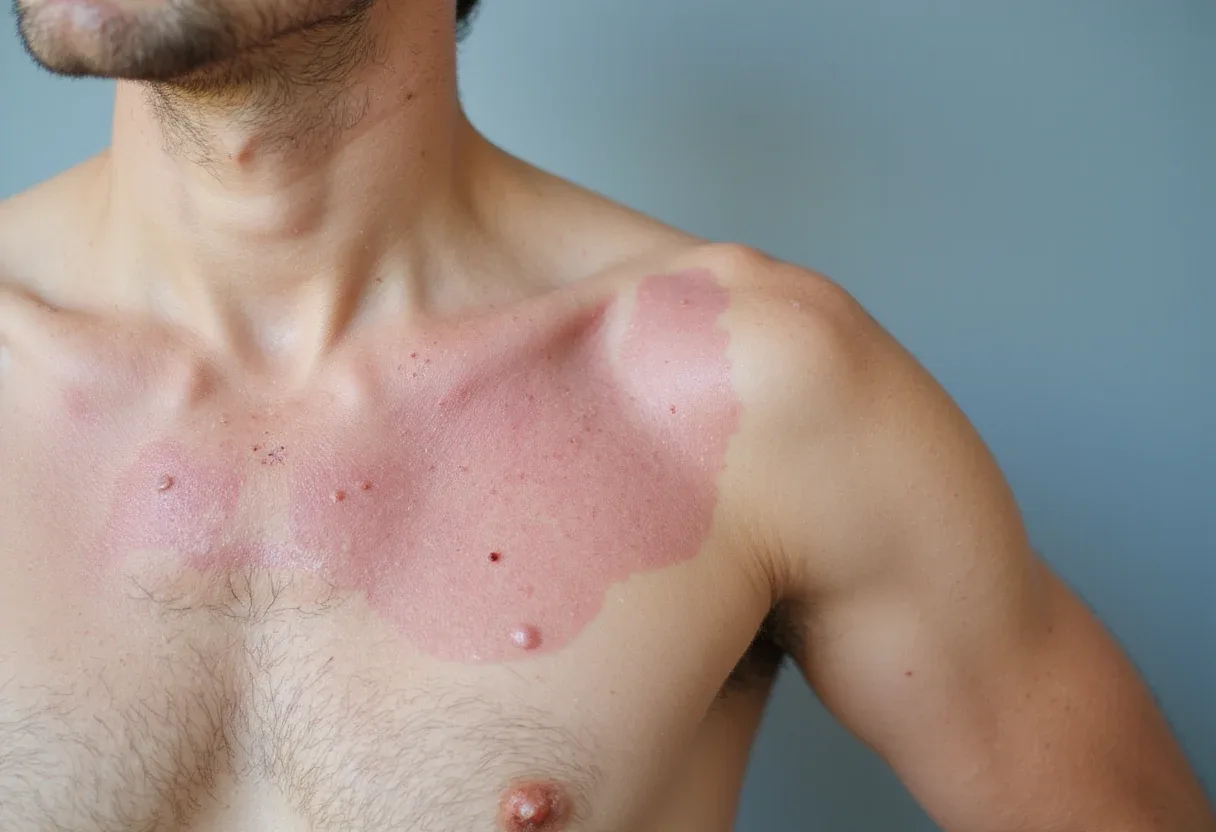
Proposed Medicare payment cuts have drawn warnings from dermatology stakeholders who say the reductions would threaten access to skin cancer diagnosis and treatment. The concern, laid out in a new HCPLive report, centers on how shrinking reimbursement affects the physician fee schedule services that skin cancer patients depend on most.
Skin cancer is the most common cancer in the United States, and Medicare-age patients sit squarely in the highest-risk cohort. Older adults accumulate decades of ultraviolet exposure, and incidence of both non-melanoma and melanoma skin cancers rises steeply with age. That means any change to Medicare dermatology reimbursement touches the core of the skin cancer care pathway, not its margins.
What's on the table?
The proposal targets physician payments under Medicare, the same mechanism dermatology practices rely on to fund office visits, biopsies, pathology and surgical treatment. When conversion factors shrink, the effect cascades across a practice's entire service mix. Dermatology practices already run on tight margins for evaluation-and-management visits, and surgical services such as excisions and Mohs micrographic surgery carry fixed overhead — staff, equipment, sterile supplies — that doesn't flex with payment rates.
Critics of the cuts argue the math is straightforward. If reimbursement falls below the cost of delivering care, practices face three options: absorb losses, reduce Medicare patient volume, or close. None of those outcomes preserves access for the elderly patients who make up the bulk of skin cancer diagnoses.
Why skin cancer patients are specifically exposed
Several features of skin cancer care make it unusually sensitive to fee-schedule changes:
- The patient population overlaps with Medicare by default. Most skin cancers occur in people over 65, so dermatologists can't simply shift payer mix the way some specialties can.
- Detection depends on access. Skin cancers are found through screening visits and biopsies — services that are among the first squeezed when practices cut appointment slots.
- Treatment is often surgical. Excisions and Mohs surgery require same-day pathology, trained staff and dedicated procedure suites. Cuts to surgical codes hit these directly.
- Delays have clinical consequences. Untreated basal and squamous cell carcinomas can grow locally and become destructive; melanoma caught late carries far worse survival than melanoma caught early.
The HCPLive report frames the stakes in exactly those terms: it's not an abstract budget fight, but a question of whether older Americans can get suspicious lesions examined, biopsied and removed before they become dangerous.
The access squeeze
The loudest warning from dermatology groups concerns access in already-underserved areas. Rural and medically underserved communities have long faced dermatologist shortages, and patients there often wait weeks or months for an appointment. Practices operating on thin margins are the ones most likely to respond to payment cuts by consolidating, relocating to wealthier markets or dropping Medicare participation altogether.
When a practice closes, its patients don't stop needing skin checks. They wait, they travel, or they show up in primary care offices where full-body skin examinations are less routine and biopsy thresholds differ. The downstream cost of a missed or delayed melanoma diagnosis dwarfs the savings from trimming office-visit payments — that's the argument opponents of the cuts keep returning to.
There's also a preventive-care argument. Dermatology visits catch more than cancer; they manage actinic keratoses and other precancerous lesions whose cheap early treatment prevents far costlier interventions later. Underpaying the front end of that pathway, critics say, pushes spending toward the expensive back end.
What happens next?
Medicare payment proposals move through a defined cycle: the Centers for Medicare & Medicaid Services issues proposed rules, stakeholders submit formal comment letters during the open comment period, and a final rule follows, typically taking effect in the new calendar year. Dermatology societies have used that comment window in past cycles to push back against conversion-factor reductions, and they're expected to do so again here.
Congress has intervened before when proposed cuts sparked specialty-wide backlash, delaying or softening reductions through legislation. Whether that happens this cycle depends on how much pressure organized dermatology and broader physician groups can generate during the comment period.
For now, the practical takeaway for dermatology practices is to model the proposed rates against their own service mix and prepare comment letters before the window closes. For patients and advocates, the HCPLive report suggests the issue deserves visibility now, while the rule is still a proposal — because once the cuts are finalized, the access consequences for skin cancer care become much harder to reverse.
Source: Google News: Dermatology
Tom Whitfield
Show full bio
Senior reporter covering companies, deals and strategy in Clinical dermatology, inflammatory skin disease and biologics at Derm Field.