Red Light Therapy: What Dermatology Can and Cannot Claim
Updated
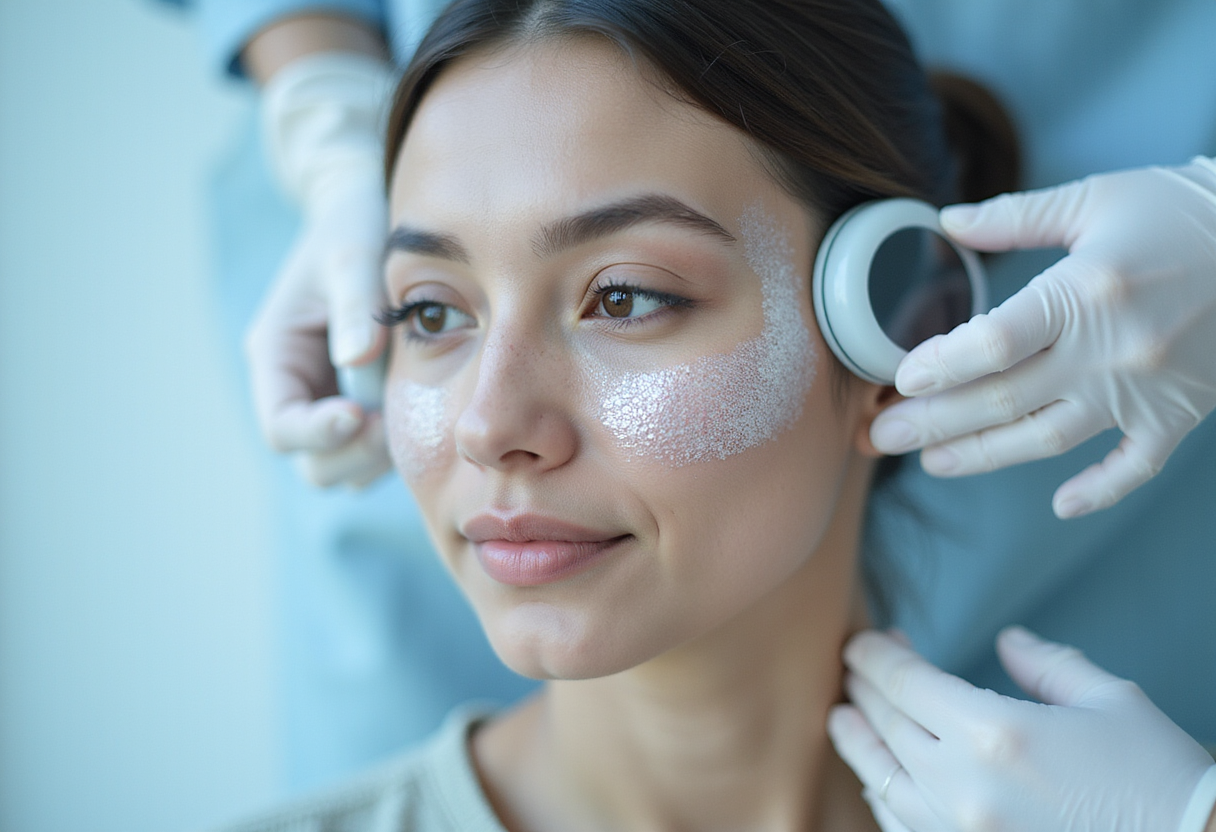
Healio has published a new clinical review in its "Beneath the Surface" series examining red light therapy — also known as photobiomodulation or low-level light therapy — and its applications in photoaging, acne and other dermatologic indications.
The piece arrives as red light devices proliferate across two very different markets: physician-administered panels in dermatology clinics and consumer-grade masks and wands sold directly to patients. That split frames the core question the review addresses — which of the widely circulated claims about red light hold up in clinical practice, and which belong to marketing.
Red light therapy works on a straightforward photophysical principle. Specific wavelengths in the red and near-infrared range are absorbed by chromophores within mitochondria, principally cytochrome c oxidase. That absorption increases adenosine triphosphate production and triggers downstream cellular signaling — modulating inflammation, stimulating fibroblast activity and influencing collagen synthesis.
For dermatologists, the interest sits in what those mechanisms translate to at the tissue level. Fibroblast stimulation is the basis for the photoaging claims: the hypothesis that red light exposure can increase dermal collagen density and reduce fine lines. Anti-inflammatory effects underpin the acne and wound-healing applications, where red light has been studied both as a monotherapy and as an adjunct to photosensitizing agents in photodynamic therapy protocols.
The Healio review walks through these indications — photoaging, acne and others its title signals with "and more" — weighing the evidence base for each. It is exactly the kind of indication-by-indication sorting clinicians need, because red light therapy's consumer popularity has run well ahead of its evidence in several categories.
Patients are already asking. Consumer red light masks rank among the fastest-growing segments of the at-home device market, and their manufacturers advertise outcomes — wrinkle reduction, acne clearance, glow — that may or may not match what controlled studies support. A dermatology-facing review that separates device parameters and protocols with documented effects from those without them does the practical work of arming clinicians for those conversations.
The regulatory picture adds another layer. Many consumer devices clear regulatory pathways as wellness products rather than medical devices, which loosens the evidentiary requirements behind their marketing language. Clinic-grade equipment, by contrast, is typically used under protocols that at least some peer-reviewed literature supports.
What the review ultimately offers is a calibration tool. For photoaging, the question is magnitude — whether red light produces clinically visible improvement in fine lines and skin texture, and at what fluence and treatment frequency. For acne, the question is comparative — where photobiomodulation fits alongside established topical and systemic therapies. For the broader "and more" category, the question is whether the evidence extends beyond mechanistic plausibility into measured outcomes.
Clinicians seeking a concise, practice-oriented synthesis of where red light therapy stands across these indications will find the full review at Healio, where the "Beneath the Surface" series continues to publish clinically grounded assessments of devices and technologies shaping dermatologic care.
As at-home light-based devices continue to multiply, expect red light therapy to remain a fixture of the patient-question queue — and reviews like this one to serve as the reference point for answering it.
Source: Google News: Dermatology
Daniel Okafor
Show full bio
Staff writer covering people, launches and day-to-day practice in Clinical dermatology, inflammatory skin disease and biologics at Derm Field.