Single-Day Hands-On Dermatology Workshop Boosts Student Knowledge, Confidence
Updated
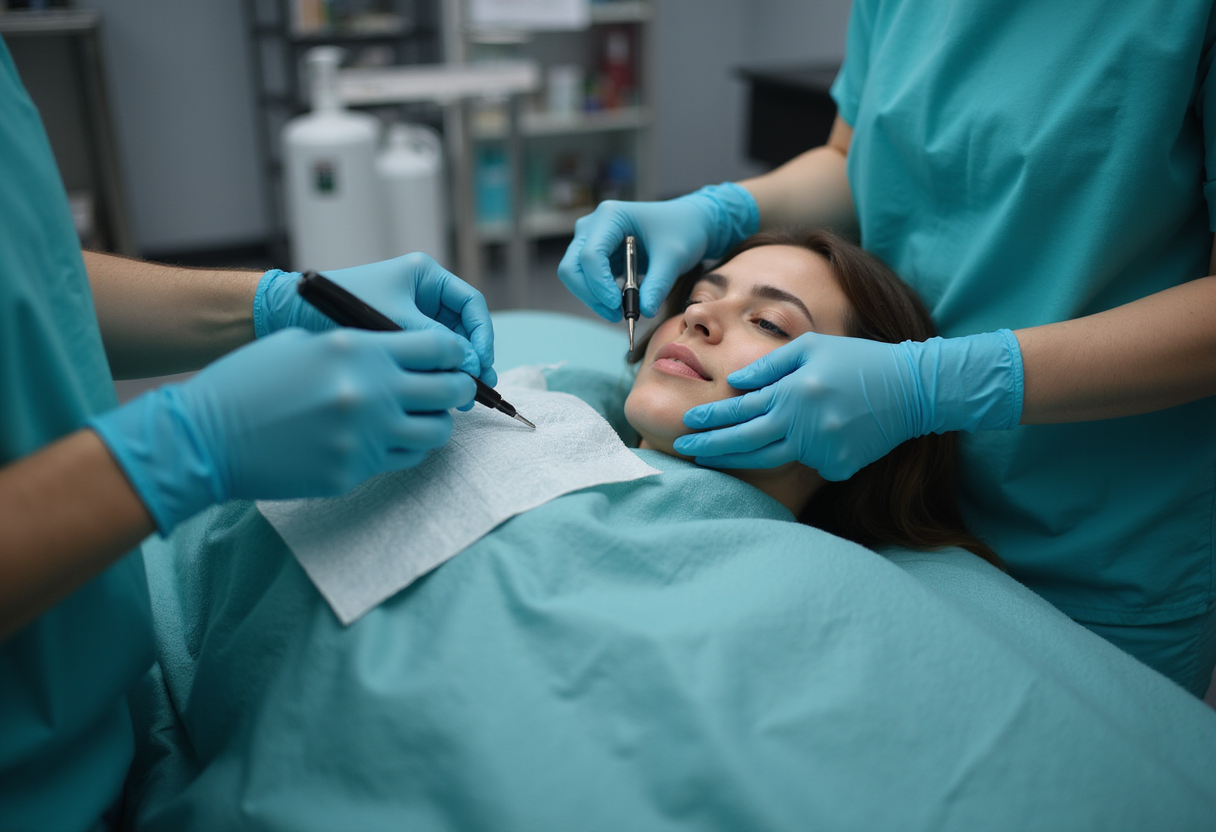
A single-day, hands-on dermatology workshop produced measurable gains in both knowledge and self-reported confidence among medical students, according to a study published in Cureus.
The study evaluated a one-day practical dermatology workshop designed to expose medical students to clinical skills they typically encounter only briefly during undergraduate training. Dermatology remains one of the most underrepresented specialties in medical school curricula, and the researchers set out to test whether a concentrated, skills-based intervention could close part of that gap.
The investigators used a pre-post study design, assessing participants' dermatology knowledge and confidence immediately before and after the workshop. Students completed validated questionnaires covering core dermatologic competencies, and the researchers compared scores across the two time points.
Participants showed statistically significant improvement in knowledge scores after the single day of instruction. Confidence measures rose in parallel: students reported greater self-assessed competence in examining skin lesions, describing dermatologic findings, and approaching common skin conditions.
The workshop format emphasized active learning. Rather than lectures alone, students worked directly with clinical materials and practiced examination techniques under supervision — a structure the authors argue is better suited to a visual specialty like dermatology, where pattern recognition depends on repeated exposure to real findings.
The findings carry weight for curriculum planners. Dermatology teaching in most medical schools is limited to a small number of lecture hours, leaving graduates underprepared to recognize and manage skin disease — a gap with real consequences, given that skin complaints account for a substantial share of primary care visits. A replicable, single-day workshop offers a low-cost, resource-efficient model that departments could deploy without restructuring entire courses.
The study's limitations are those typical of single-institution educational research: a modest sample, no long-term follow-up, and confidence measured by self-report rather than observed clinical performance. The authors acknowledge that durability of the gains — whether knowledge and confidence persist weeks or months later — remains untested.
Still, the core result is straightforward. One structured day of hands-on dermatology instruction moved both objective knowledge scores and subjective confidence in medical students. As dermatology departments look for scalable answers to chronic underexposure in undergraduate training, expect short, intensive, workshop-based formats to attract growing attention — and, increasingly, formal evaluation of whether their effects endure.
Source: Google News: Dermatology
Tom Whitfield
Show full bio
Senior reporter covering companies, deals and strategy in Clinical dermatology, inflammatory skin disease and biologics at Derm Field.