Cosmeceuticals & Skincare Science
SkinMedica Launches Two Barrier-Support Skincare Products for Summer
Updated
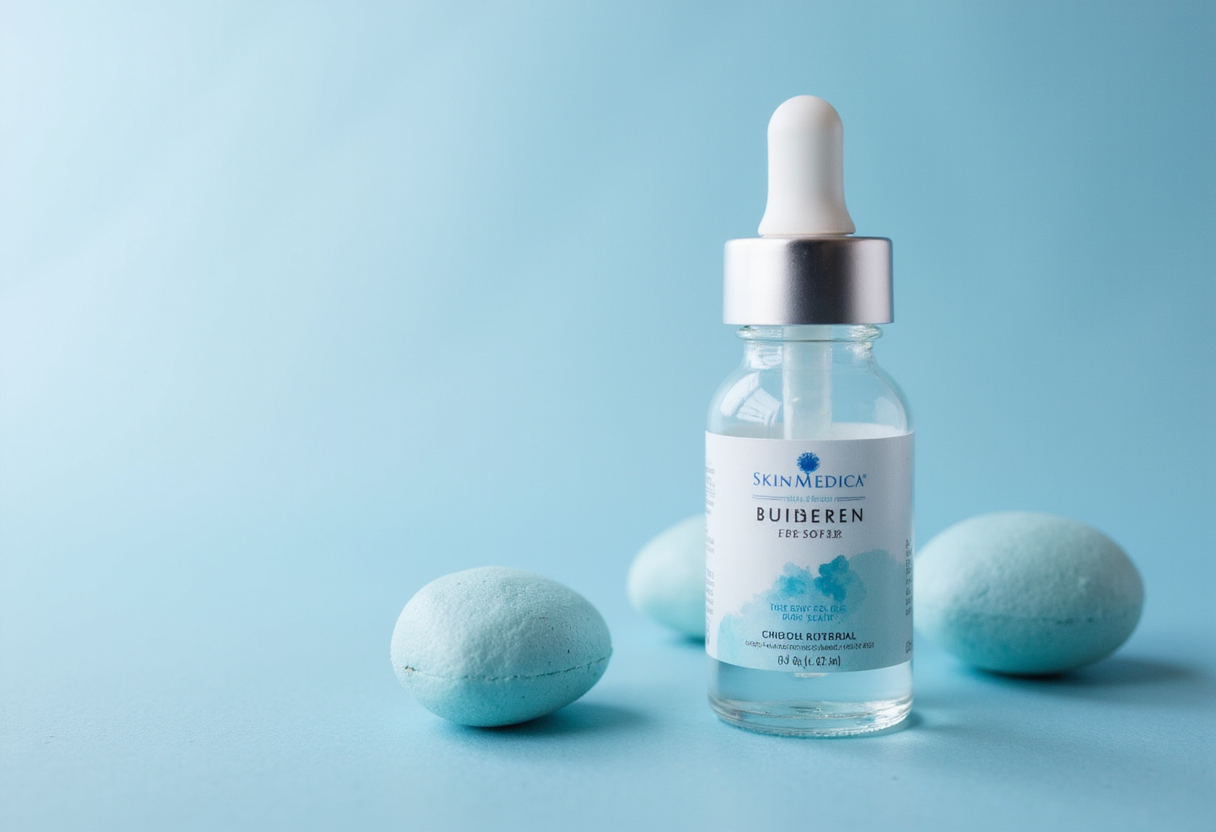
SkinMedica released two new barrier-supporting skincare products this summer, according to a brief notice published by The Dermatology Digest. The item carries the headline "Hot Summer Skincare Launches" and identifies both new items as barrier-supporting formulations, but provides no product names, ingredient lists, concentrations, pricing, or release dates in the available text.
What does the source actually disclose?
The Dermatology Digest item functions as a headline pointer rather than a full product monograph. Its content consists of the headline, the brand name, the descriptor "barrier-supporting," and the seasonal framing "hot summer." No quotation from a SkinMedica spokesperson, executive, or investigator appears in the source. The source omits clinical data, before-and-after imagery, and comparator references.
That level of disclosure limits clinical interpretation. A reader cannot, on the strength of this item alone, determine whether the products target stratum corneum lipid replacement, hydration, occlusion, or some combination.
What does "barrier-supporting" mean in dermatology practice?
Barrier-support claims in cosmeceuticals typically rely on one or more of the following mechanisms:
- Ceramide, cholesterol, and free fatty acid delivery to reinforce the intercellular lipid matrix of the stratum corneum
- Humectant activity, most commonly hyaluronic acid, glycerin, or glycerin-derived molecules, to increase water content in the upper epidermis
- Occlusive agents, including dimethicone, squalane, or petrolatum derivatives, to reduce transepidermal water loss (TEWL)
The clinical weight of a barrier-support claim depends on the mechanism and the evidence attached to it. Instrument-based readouts, particularly TEWL and corneometry, provide objective measurement. Subjective improvement claims carry less evidentiary weight unless paired with controlled testing.
Which patient populations use barrier-support products?
Barrier-support products serve distinct patient populations:
- Atopic dermatitis and eczema patients with documented lipid-matrix abnormalities
- Rosacea and sensitive-skin phenotypes with reduced tolerance to environmental triggers
- Post-procedure patients recovering from laser, chemical peel, or microneedling where barrier integrity is transiently compromised
- General consumers seeking preventive maintenance against UV, low-humidity, and air-conditioned-environment exposure
A summer launch positions products for the last two categories particularly, since seasonal shifts toward air conditioning, increased sun exposure, and altered cleansing routines all stress barrier function.
What should a complete product disclosure include?
For dermatology readers, a complete product release would specify:
- The full ingredient list with key actives named and ranked by concentration where possible
- The formulation category — serum, moisturizer, cleanser, or adjunct
- Any clinical or instrument-based testing cited by the manufacturer
- A clear separation between manufacturer claims and independent trial data
- Pricing and channel availability, which determine patient access
Until those details appear in subsequent coverage from The Dermatology Digest or in the brand's own channels, the clinical positioning of these two launches remains undefined. A follow-up announcement with ingredient disclosure and any TEWL or hydration readouts would allow a more grounded assessment of the products' place in a barrier-focused skincare regimen.
Source: Google News: Cosmetic dermatology
Amara Osei
Show full bio
Correspondent covering technology and product news in Clinical dermatology, inflammatory skin disease and biologics at Derm Field.