Cosmeceuticals & Skincare Science
Study: Viral 'Glass Skin' TikToks Carry Misleading Skincare Claims
Updated
What did the analysis find?
A new study reported by Medical Xpress concludes that almost 95% of viral TikTok videos promoting Korean skincare routines and the "glass skin" aesthetic contain misleading claims. The headline figure, drawn from the publisher's coverage of the underlying research, lands squarely within a dermatology-relevant conversation about how short-form video shapes patient behavior at the clinic.
The analysis, as headlined by Medical Xpress, treats "viral" content as the unit of evaluation and "misleading" as the primary outcome. Medical Xpress's framing implies the researchers applied a classification rubric to high-engagement TikTok posts tagged around Korean multi-step routines and the so-called glass-skin look — a beauty ideal borrowed from K-beauty that prizes a translucent, hydrated, poreless-appearing complexion. The exact sample size, methodology, peer-review venue and author affiliations are not specified in the headline summary available to this report.
Why does "glass skin" matter to dermatologists?
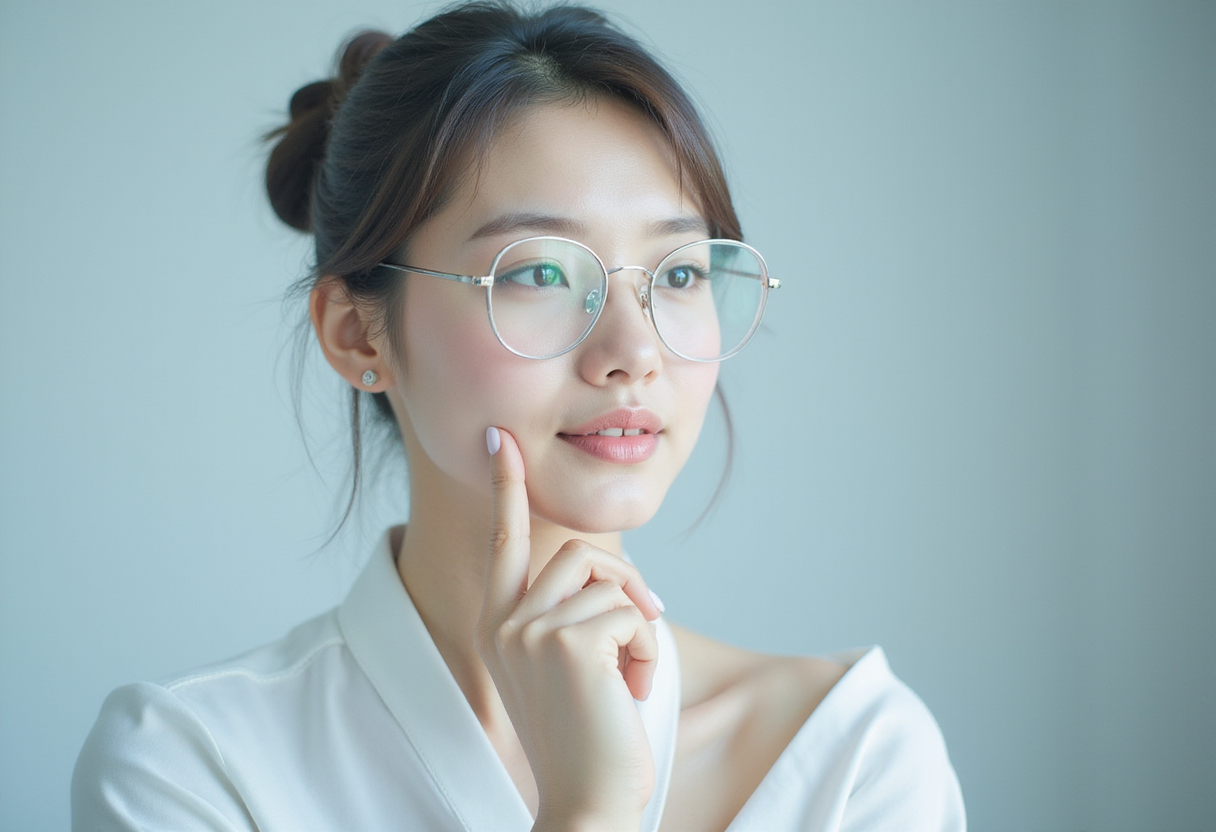
Glass skin functions as a visual shorthand for an end-state — clear, reflective, blemish-free — that patients increasingly request by name. Seoul-exported routines associated with the trend typically emphasize layered hydration, gentle chemical exfoliation and barrier-supportive ingredients. In clinical practice, the trend intersects with established dermatologic concerns: over-exfoliation, barrier disruption, sensitive-skin flares, and rosacea or perioral dermatitis triggered by stacking actives. Dermatology editors have previously flagged patient encounters shaped by TikTok advice, ranging from undiluted exfoliating acids layered nightly to self-microneedling and at-home chemical peels performed outside a clinical setting. The new figure places Korean-skincare content in the same misinformation tier other analyses have assigned to sunscreen, skin-lightening and acne-treatment hashtags.
What constitutes a "misleading" claim?
Medical Xpress's headline does not enumerate the categories of misinformation the reviewers flagged. Common markers in similar studies include product-effect claims unsupported by published data — for example, asserting pore elimination or permanent brightening — before-and-after imagery that lacks disclosure of lighting, filters or cosmetic camouflage, undisclosed sponsorship or affiliate ties, and ingredient stacks that omit concentration, vehicle or pH. Patients carrying these videos into consults often arrive primed to request specific branded regimens or in-clinic procedures that may not match their diagnosis. For board-certified dermatologists, the practical entry point remains a focused history: which TikTok creators the patient follows, which products they currently layer, and which visible skin concerns they are trying to address. The viral-to-clinic translation frequently compresses months of staged, filtered content into a single 60-second loop, and practitioners report that patients underestimate the role of professional lighting, ring lights and digital post-processing in producing the aesthetic endpoint.
What changes for practice?
The headline figure, if it holds up under the full publication, supplies an evidence-anchored talking point for clinicians building social-media-literacy counseling into routine visits. Coding and reimbursement considerations remain unchanged: time-based counseling for patient-education discussions continues to fall under standard E/M documentation. Practices with an in-house aesthetician or medical-affairs content channel can pair the new finding with internal guidance on how staff respond to "I saw this on TikTok" requests, redirecting the conversation toward evidence-based ingredient selection and an individualized barrier plan.
What remains unknown?
The Medical Xpress summary does not disclose the study's authors, institutional backing, journal of record, sample frame, inter-rater reliability for the misleading-claim classification, or whether the analysis distinguished between paid partnership content and organic creator posts. Without those details, the 95% headline serves as a directional indicator rather than a clinical guideline. Practitioners tracking the literature will want the full methodology once the underlying paper appears, ideally with stratified findings on claim type, product category and creator reach.
What the figure does establish, even at headline depth, is that the gap between TikTok's K-beauty content and evidence-based dermatology remains wide enough to warrant explicit, recurring patient counseling rather than ad-hoc correction.
Source: Google News: Dermatology
Tom Whitfield
Show full bio
Senior reporter covering companies, deals and strategy in Clinical dermatology, inflammatory skin disease and biologics at Derm Field.