Topical Febuxostat Quiets Psoriasis in Mouse Model, Bioengineer Reports
Updated
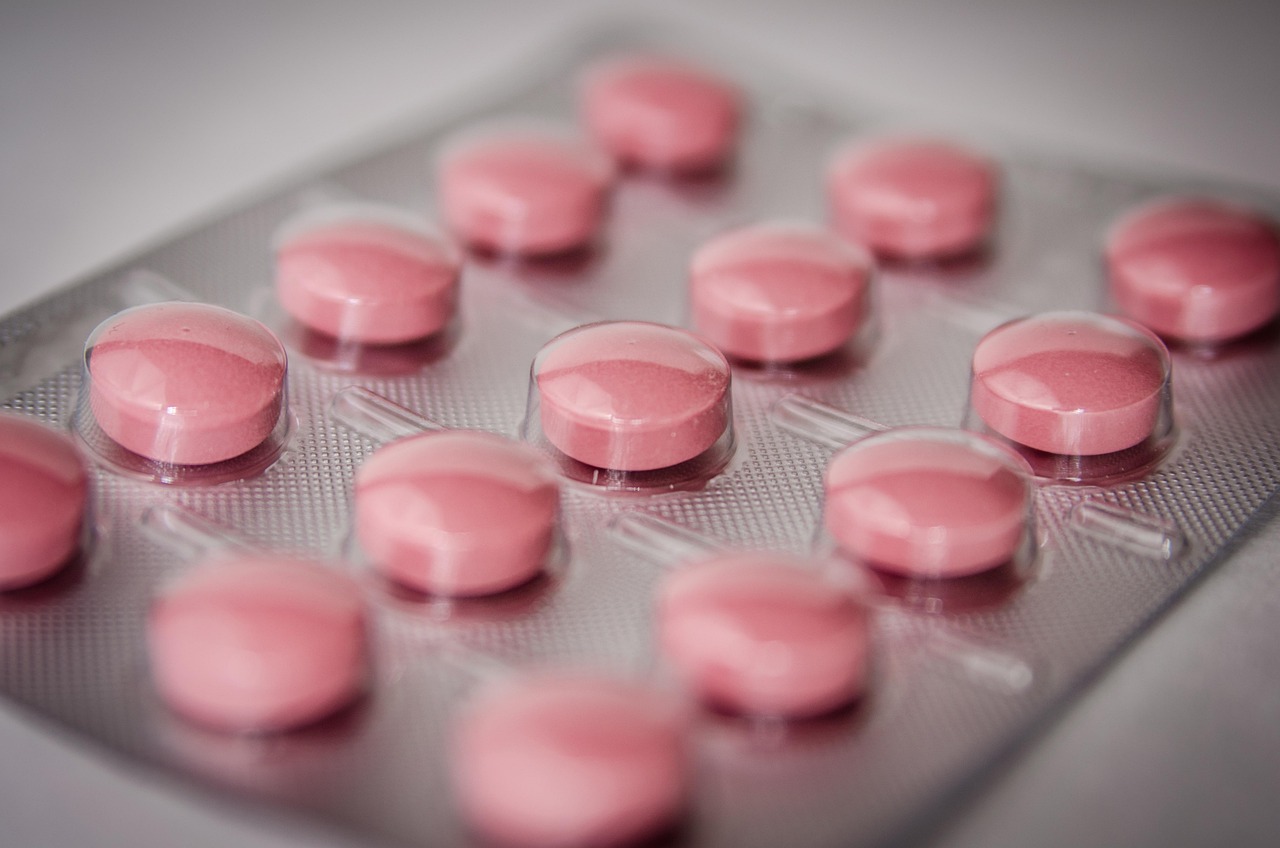
Febuxostat, an oral pill marketed for gout since 2009, quieted psoriasis-linked inflammation in mice when reformulated as a topical, Bioengineer.org reported this week.
The outlet's headline framing: the drug "shows promise" as a skin-applied psoriasis treatment. The data sit in a preclinical mouse model — the earliest stop on any dermatology drug's road to clinic.
What does the Bioengineer.org item actually say?
The dispatch is short on numbers. There is no PASI equivalent, no histologic score, no lesion count in the wire blurb. The sole substantive claim is directional: rubbed onto lesional skin, febuxostat reduced psoriasis-linked inflammation in the rodent study.
Dermatologists reading the piece should treat it as a signal, not a data set, until a peer-reviewed paper surfaces. The outlet did not name the research group, the formulation vehicle, the dose, or a target journal.
What is febuxostat, in plain dermatology terms?
Febuxostat is a xanthine oxidase inhibitor. It cuts serum uric acid by blocking the enzyme that converts hypoxanthine and xanthine into uric acid — a pathway most dermatologists don't typically think about unless they're managing tumor lysis or recalcitrant gout.
The drug entered the U.S. market in February 2009 under the brand name Uloric, with an FDA boxed warning added in 2017 over cardiovascular mortality concerns. That CV signal has shadowed the drug commercially, even though its molecular simplicity — a small molecule, oral, once-daily — has kept it cheap and available as a generic.
Why route a gout pill through the skin?
Repurposing oral drugs as topical agents is a recurring play in psoriasis R&D. The bet has two parts: a compound with a known systemic safety record can leapfrog years of toxicology, and a skin-restricted formulation can deliver effect without the systemic baggage that has dogged oral psoriasis candidates — methotrexate, apremilast, the JAK family — for two decades.
Febuxostat brings both attributes. Post-marketing surveillance extends back more than 15 years. The molecule is small and stable, two traits a formulator can work with. And if it works on lesional skin at doses that don't shift serum uric acid, it side-steps the cardiovascular question entirely.
What mice can and can't tell the field
Mouse psoriasis models — typically imiquimod-induced or transgenic IL-23 overexpression — produce scaling and acanthosis that read human but skew more toward acute epidermal hyperplasia than the chronic plaque phenotype U.S. clinicians manage in plaque psoriasis.
A compound that quiets inflammation over a short rodent experiment still needs pharmacokinetic confirmation: topical dosing has to hit dermal targets at concentrations that don't drop systemic uric acid in patients. That is the gating study for any human trial.
In short, topical febuxostat has cleared the lowest bar in drug development. It has not cleared dose-finding, formulation stability, or human safety — the three hurdles that separate bench from bedside.
What comes next
Drug-repurposing projects in psoriasis routinely stall between bench and IND-enabling work. The commercial case for an off-patent generic applied off-label is thin; nobody gets 20-year exclusivity on a reformulation of an old generic. Watch for a university tech-transfer office on the next data drop, not a specialty pharma.
If a peer-reviewed manuscript appears in the next six months, a small investigator-initiated trial in mild plaque psoriasis is the realistic horizon.
Source: Google News: Psoriasis treatment
Tom Whitfield
Show full bio
Senior reporter covering companies, deals and strategy in Clinical dermatology, inflammatory skin disease and biologics at Derm Field.