UC San Diego Health Begins Offering Band-Aid-Style Patch for Skin Cancer
Updated
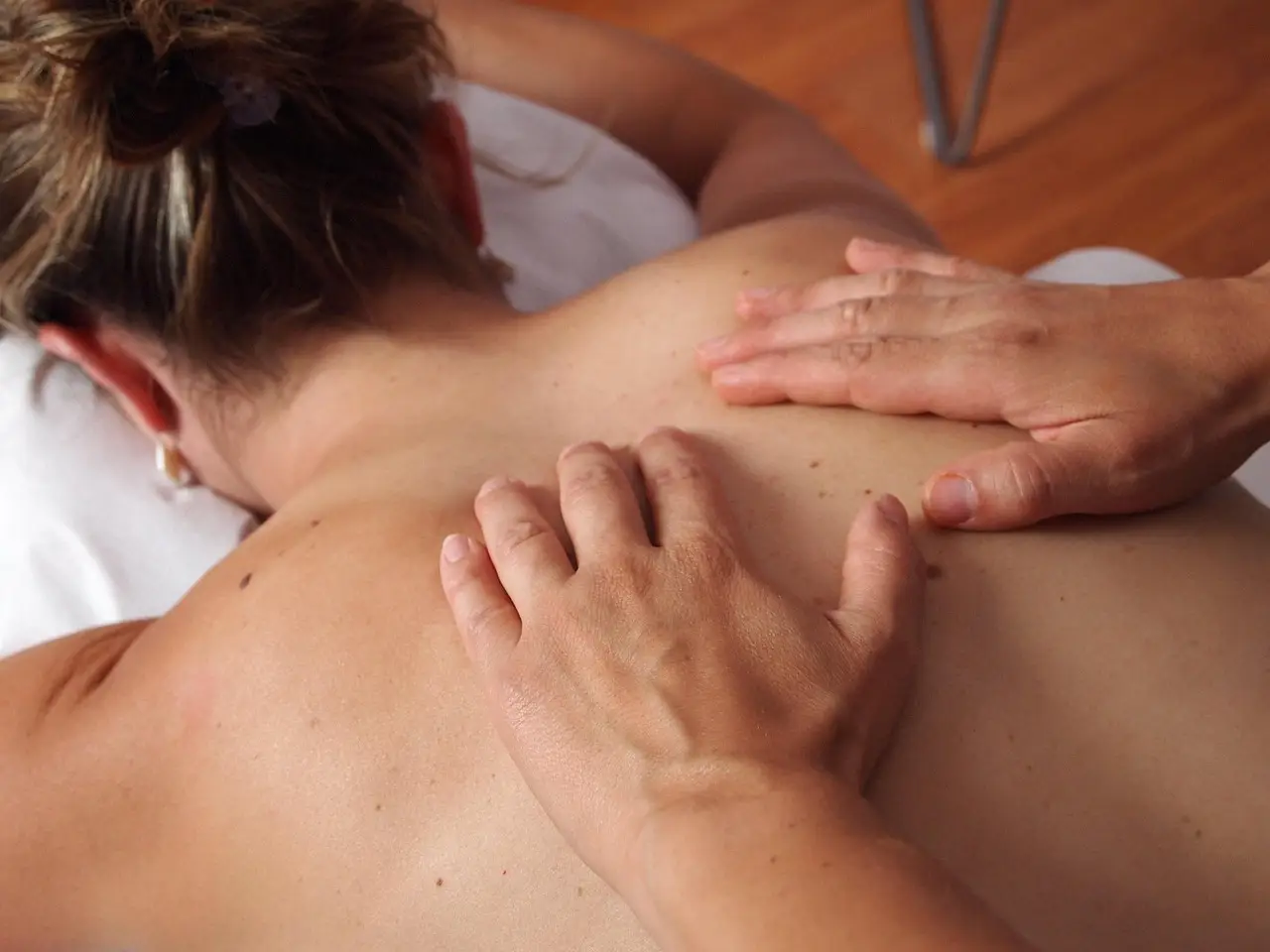
UC San Diego Health is now offering patients a band-aid-style adhesive patch designed to treat skin cancer, a delivery approach that shifts at least part of non-melanoma skin cancer care out of the procedure room and onto the patient's own skin.
The health system has added the wearable patch to its clinical offerings, according to a report by 10News. Details on tumor characteristics, treatment duration and response rates tied specifically to the San Diego rollout were not disclosed in the report, so what follows is a careful look at what this delivery model does — and where the unanswered questions sit for dermatologists and their patients.
What is the patch, exactly?
The device is exactly what the name suggests: a thin, adhesive-backed patch that sits on the skin over the treatment area, the way a conventional bandage does. Instead of an incision, curettage or radiation session, the therapy is delivered topically through continuous contact with the lesion.
That form factor is the story. Non-melanoma skin cancers — basal cell carcinoma and cutaneous squamous cell carcinoma, the two most common malignancies in the United States — are typically managed with surgical excision, Mohs micrographic surgery or, in selected superficial lesions, topical field therapy. A bandage-format option changes the delivery, not the underlying goal: destroy or resolve the tumor while sparing surrounding tissue.
What does this change for patients?
For the right candidate, the practical difference is convenience. A patch-based regimen the patient wears at home removes the logistics of a procedure — scheduling, local anesthesia, wound care after excision, and the cosmetic trade-off of a surgical scar on visible sites like the face, ears or hands.
That matters most for patients who stack poorly for surgery: older adults on anticoagulants, patients with multiple lesions, and those in assisted living or rural settings where a trip to a surgical dermatologist is not trivial. It also matters for anyone who has been through excision before and would prefer not to repeat it.
The trade-off is that patient-administered therapy depends on adherence and on lesion selection. Whether the patch suits a given tumor depends on histology, location, size and depth — judgments that fall to the treating dermatologist, and the 10News report did not specify which patients at UC San Diego Health are being selected for the approach.
What clinicians will want to watch
Dermatologists reading this will ask the same questions they ask of any new modality: What are the complete-response rates? How do they compare with excision and Mohs surgery at five years, not just at clearance? Which lesion types — superficial basal cell, squamous lesions in situ, or both — are eligible?
None of those endpoint data appeared in the initial report, and until they do, the patch is best understood as an expanded delivery option at one major academic center rather than a shift in the standard of care. Its visibility at UC San Diego Health, though, signals that wearable topical oncology is moving from trial settings into routine offering — a trajectory worth tracking as response data and broader adoption follow.
Source: Google News: Melanoma
Olivia Hart
Show full bio
News editor covering technology and product news in Clinical dermatology, inflammatory skin disease and biologics at Derm Field.