Weekly vs daily bathing in eczema: online RCT results published
Updated
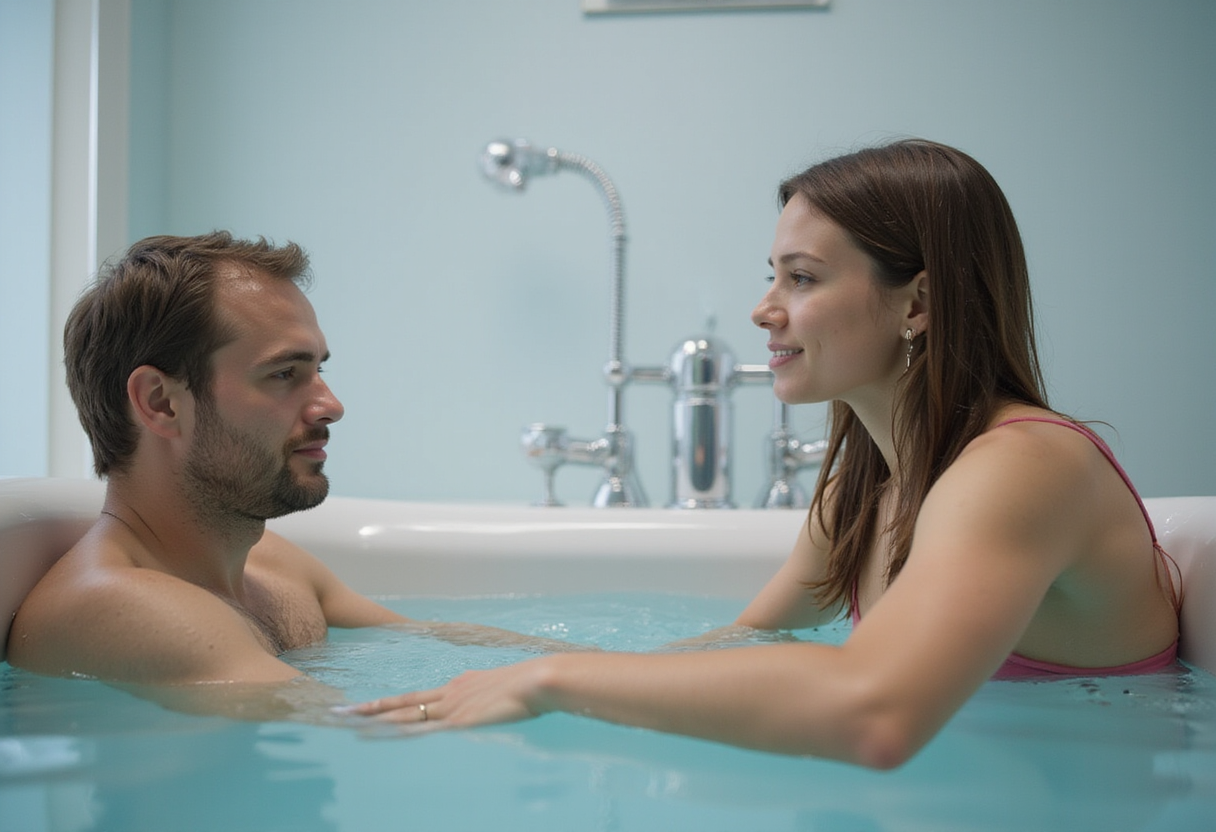
A randomized controlled trial (RCT) comparing weekly and daily bathing schedules in people with eczema has been published on Oxford Academic, addressing a question dermatologists hear at nearly every eczema visit. The Eczema Bathing study, conducted entirely online, randomized participants to one of two bathing frequencies and tracked disease control over a defined follow-up period.
What did the trial compare?
The investigators pitted two practical regimens against each other: bathing once per week versus bathing every day. Both arms received otherwise identical guidance on emollient use, which is the standard moisturizer-based therapy that anchors atopic dermatitis (the chronic, relapsing form of eczema) management. By holding emollient advice constant, the design isolates bathing frequency as the experimental variable.
Online delivery is the trial's most distinctive structural feature. Recruitment, consent, randomization, and follow-up all occurred through a web platform, eliminating in-person visits. That format accelerates enrollment and broadens geographic reach, but it shifts the burden of accurate adherence reporting and disease scoring onto participants themselves.
Why the question matters
Clinical advice on bathing frequency in eczema has long been inconsistent. Some pediatric dermatology guidelines recommend daily short baths followed by immediate emollient application, reasoning that hydration plus an occlusive (barrier-sealing) moisturizer reduces transepidermal water loss (the rate at which water escapes the skin surface). Others argue that frequent bathing strips the already-compromised skin barrier and favor showers every few days. The disagreement reflects a thin evidence base rather than a settled consensus.
A randomized comparison of the two schedules therefore fills a real clinical gap. Patient-reported outcomes and clinician-graded severity scores can both be captured online through validated instruments, though the absence of in-person examination limits certain physical assessments, including direct scoring of erythema and lichenification.
What the source does not yet specify
The publicly available title confirms the design and the comparison but does not enumerate the primary endpoint, sample size, or effect size. Readers seeking those numbers, and any accompanying p-values or confidence intervals, must consult the full Oxford Academic publication. Until that detail is in hand, the clinical takeaway remains provisional.
The headline itself still signals something. Naming a trial "Eczema Bathing" indicates the investigators treated the question as worth a dedicated study, a shift from the field's historical reliance on expert opinion in this corner of atopic dermatitis care.
What dermatologists will want next
A clinician running an eczema practice will look first for the bathing-by-severity interaction: did patients with mild disease fare the same on weekly and daily schedules, while those with moderate-to-severe atopic dermatitis diverged? EASI scores (Eczema Area and Severity Index, a 0-to-72 instrument combining redness, thickness, scratching, and body surface area) and POEM scores (Patient-Oriented Eczema Measure, a 0-to-28 patient-reported symptom tally) are the most likely standardized endpoints. The format of those results, whether reported as means, medians, or responder rates, will shape how usable the finding is at the bedside.
Reimbursement and access implications are limited. Bathing does not require a prescription, device, or prior authorization, so the downstream operational effect on a dermatology practice is small regardless of the result. The principal impact is on patient counseling: a defensible, evidence-based answer to a question asked at almost every follow-up visit.
Caveats readers should hold
Online RCTs trade some internal rigor for scale, and adherence verification in a bathing trial is harder to enforce than in a drug trial where pill counts are possible. Self-reported bathing frequency is also vulnerable to social desirability bias, the tendency of participants to answer in the way they believe investigators want. Any null result, defined as a finding of no meaningful difference between arms, should be examined for whether the trial actually delivered the contrast it intended.
As more dermatology research migrates to web-based platforms, the methodological questions this trial raises will recur. The Eczema Bathing study is therefore a useful early data point on both the clinical question and the format, pending the full publication.
Source: Google News: Dermatology
Amara Osei
Show full bio
Correspondent covering technology and product news in Clinical dermatology, inflammatory skin disease and biologics at Derm Field.