AI Reshapes Cosmetic Medicine Workflows, From Injectables to Imaging
Updated
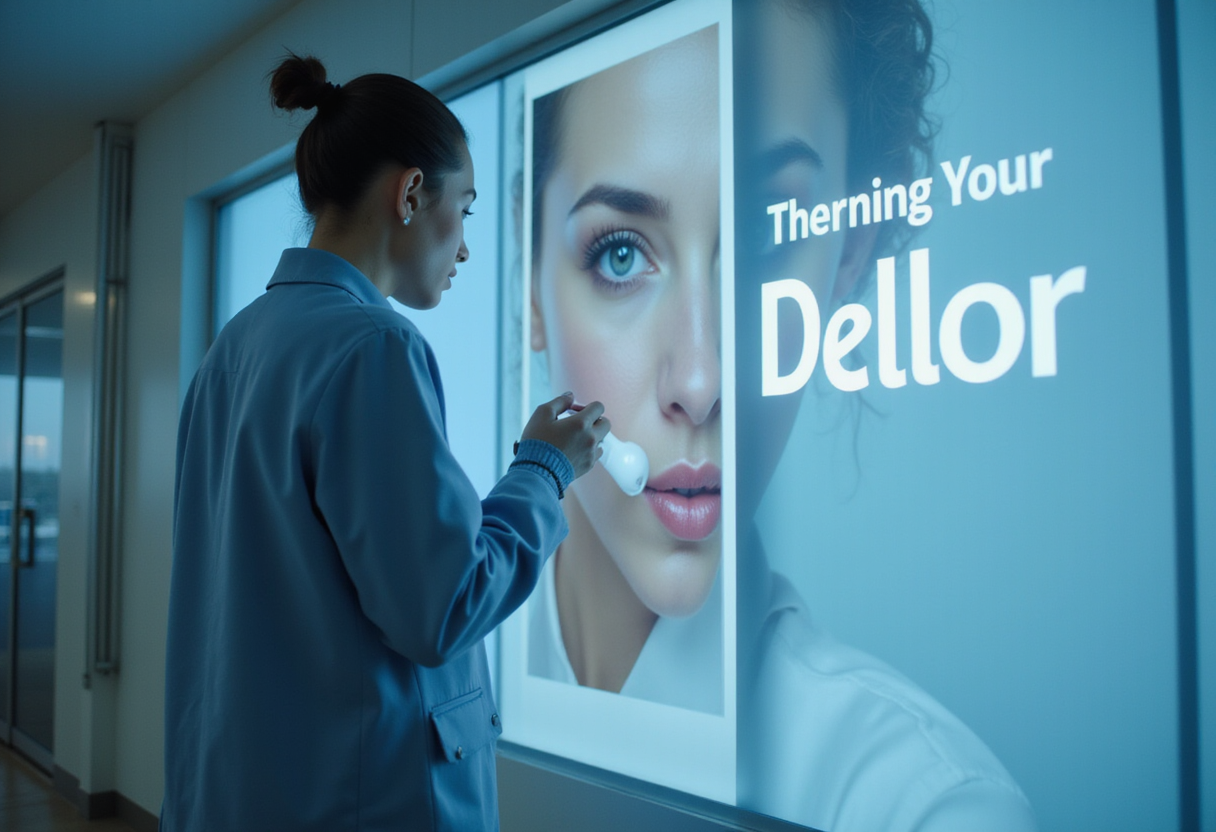
AI is moving into cosmetic dermatology workflows from botulinum toxin planning to imaging algorithms, according to a recent Express Pharma feature — though the field still awaits published, peer-reviewed performance data for most of these tools.
The piece, titled "From botox to algorithms: How AI is redefining cosmetic medicine," signals a shift in how clinicians approach aesthetic consultations. The available source offers no trial endpoints, no device names, and no patient cohorts. For practitioners, that gap matters: marketing claims already circulate, while the evidence base stays thin.
What is actually changing in the consult room?
Cosmetic practices have adopted AI most visibly in two areas. The first is facial analysis and simulation software, which promises to predict post-injection outcomes, map asymmetries, and generate before-and-after images for patient counseling. The second is image-based skin assessment, where algorithms trained on annotated photo libraries attempt to grade wrinkles, pigmentation, and photodamage in a way that resembles an automated consultation tool.
The clinical promise is straightforward. A standardized read of a patient's skin reduces inter-rater variability between providers. A simulation tool sets realistic expectations before any neuromodulator or filler touches the face. Both can save chair time and shorten the consent conversation.
How should a clinician categorize these tools?
Three categories matter for compliance and patient counseling. First, regulated medical devices with FDA or CE clearance — those carry published validation studies and specific indications for use, and they should be cited as such in any chart note. Second, software marketed as clinical decision support without regulatory clearance, often positioned as practice-management or marketing tools. Third, consumer-facing apps that scan selfies and recommend regimens, which fall outside any dermatologic standard of care and introduce medicolegal risk if a clinician defers to them.
What does this change for a practice today?
Two things, mostly. Patient-facing simulation tools may shorten consent conversations because patients see a projected result before the needle touches skin. Back-end imaging algorithms may standardize pre-treatment photography across staff, which helps with outcome tracking, before-and-after galleries, and medicolegal documentation. Neither replaces clinical judgment, and neither shift is yet backed by the kind of randomized data regulators expect for drug or device approvals.
Where is the evidence?
Most data on cosmetic AI comes from retrospective photo analyses or single-center cohorts, not the randomized, blinded trials regulators expect. That does not mean the tools do not work. It means the bar for claiming they work has not been met in most cases. Dermatologists reading the Express Pharma headline should treat any vendor pitch as a starting question, not an endpoint.
When a manufacturer approaches a practice, four pieces of paper should appear before any contract: a clearance letter or its absence, the validation study, the training dataset description, and a clear statement of intended use. If any of those are missing, the safer move is to wait.
What to watch next
Regulatory movement will define this space. As the FDA updates its software-as-a-medical-device framework, expect clearer labeling on which AI tools claim diagnostic versus purely aesthetic functions. Peer-reviewed trials comparing AI-assisted versus standard-of-care cosmetic consultations would settle the practical question. Until both arrive, the safest framing for any practice is adjunctive use — AI as a documentation and counseling aid, never as the deciding voice on a syringe.
Source: Google News: Aesthetic medicine
Sophie Lindqvist
Show full bio
Market editor covering people, launches and day-to-day practice in Clinical dermatology, inflammatory skin disease and biologics at Derm Field.