Climate Change Linked to Worsening Skin Disease in 42% of Countries
Updated
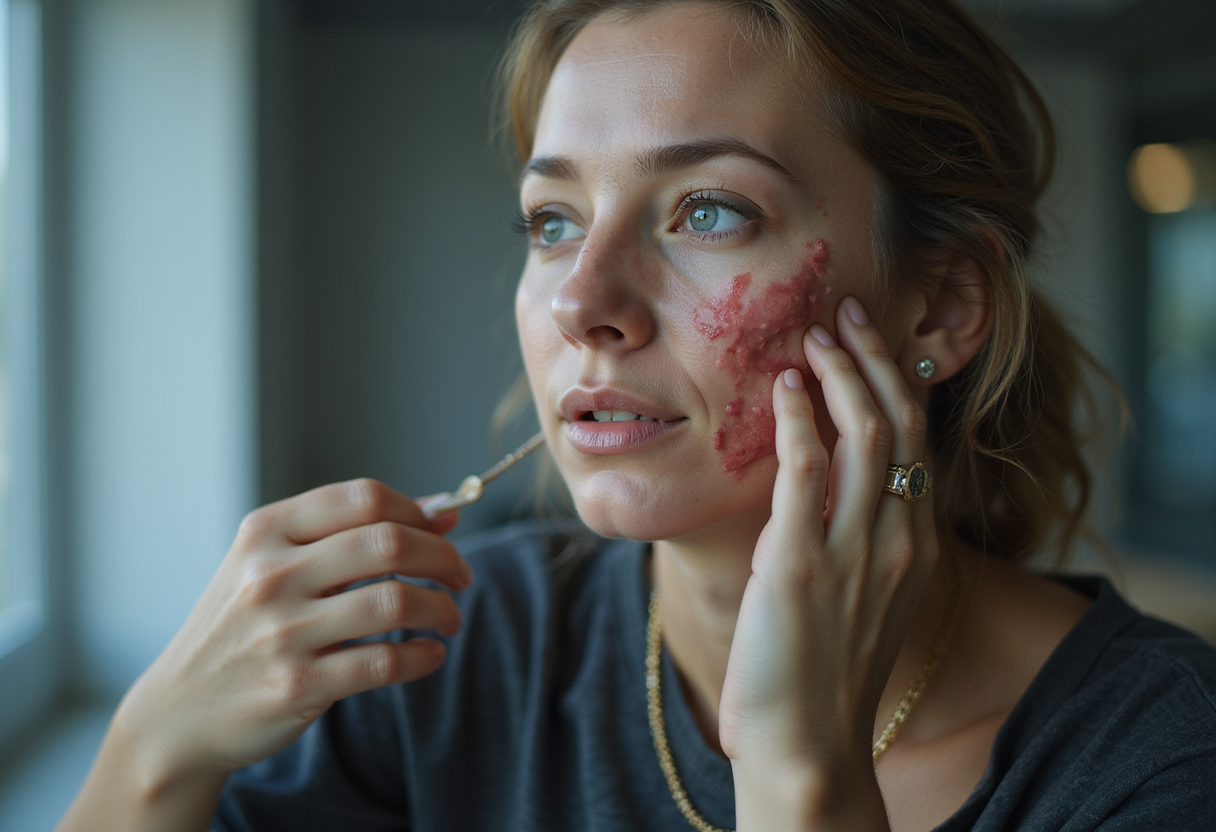
Climate change has now been tied to worsening skin disease outcomes in 42% of countries, according to a new report surfacing through HCPLive — a figure that puts environmental dermatology squarely on the agenda for clinicians who have traditionally treated skin disease as a matter of genetics, immunity, and individual exposure.
The 42% figure is the strongest concrete takeaway from the coverage: in nearly half of the world's nations examined, investigators connected changing climatic conditions to a measurable deterioration in dermatologic health. That is not a marginal signal. It reframes a familiar clinical question — why is this patient's atopic dermatitis flaring, why is this psoriasis no longer controlled — as one with an environmental dimension that no prescription alone will address.
The link between climate and skin disease is mechanistically plausible, and dermatologists already know the pathways. Ultraviolet radiation exposure shifts with atmospheric change and ozone dynamics, with direct consequences for skin-cancer incidence and photoaging. Temperature and humidity extremes alter barrier function, a core driver of eczema flares. Air pollution — particulate matter, volatile organics, polycyclic aromatic hydrocarbons — exacerbates inflammatory dermatoses including atopic dermatitis, psoriasis, and acne. Floods, wildfires, and heatwaves displace populations, disrupt continuity of care for patients on systemic therapies, and spread waterborne and vector-borne infections with cutaneous manifestations.
What the new reporting adds is scale. A deterioration documented in 42% of countries suggests the effect is not confined to climate-vulnerable regions or low-resource health systems. It is a global clinical variable, and one that is compounding year over year as extreme weather events intensify.
For practicing dermatologists, the implications cut across several domains. Patient counseling may need to incorporate environmental exposure history with the same rigor as family history — heat, humidity, air quality, and UV index in the patient's locale, not just occupational exposures. Disease-management plans built around biologic and systemic agents assume stable living conditions; wildfire smoke, heat-driven sweating, and disrupted adherence during evacuations can all undermine control of conditions measured by standard instruments such as PASI for psoriasis or EASI for eczema.
The burden also falls unevenly. Countries in the tropics and subtropics, where much of the world's population lives and where dermatologic workforce density is lowest, face the steepest climatic stress. Skin cancer surveillance, inflammatory disease management, and infectious disease recognition all strain under these conditions. The 42% figure should therefore be read alongside the existing maldistribution of dermatologic care, which climate pressures threaten to widen.
There are research implications as well. Trial populations are typically enrolled without stratification for environmental exposure, even though heat, humidity, and pollution may modify treatment response in inflammatory skin disease. As the evidence base linking climate variables to dermatologic outcomes matures, investigators and journal reviewers will likely demand that environmental confounders be reported alongside conventional demographic ones.
Professional societies have already begun moving in this direction, with position statements and session programming on planetary health appearing more frequently at major dermatology meetings. The new data giving a country-level worsening signal in 42% of nations gives that movement a quantified anchor — the kind of number that tends to shift curricula, guidelines, and payer conversations.
For now, clinicians can act on the margins: ask about environmental exposures, anticipate seasonal and disaster-driven flares, and counsel photoprotection and barrier care in the context of local climate realities. The deeper work — surveillance systems that track dermatologic outcomes against environmental indicators, and health-system planning that keeps skin care continuous through climate disruption — lies ahead, and the 42% figure makes clear that the dermatology field will be doing that work under intensifying conditions rather than stable ones.
Source: Google News: Dermatology
Sophie Lindqvist
Show full bio
Market editor covering people, launches and day-to-day practice in Clinical dermatology, inflammatory skin disease and biologics at Derm Field.