EADV 2026 Presenters Link Climate Shifts to Skin Disease Burden
Updated
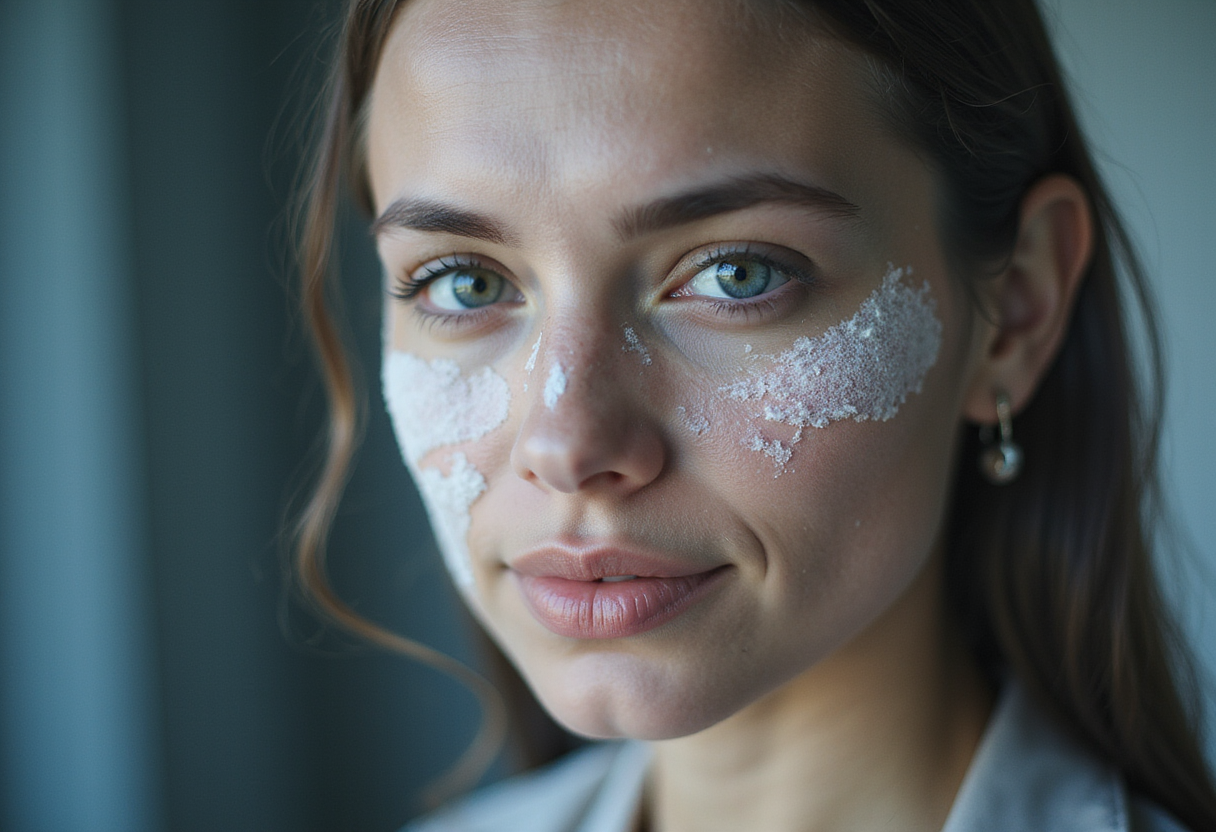
A report from the European Medical Journal covering the EADV 2026 congress links climate change to measurable changes in skin disease patterns worldwide, positioning environmental shifts as a clinical variable dermatologists can no longer treat as background noise.
The coverage centers on the European Academy of Dermatology and Venereology congress, where presenters connected warming temperatures, ultraviolet exposure patterns, humidity shifts, and extreme weather events to changes in the incidence, distribution, and severity of skin conditions across geographic regions.
Why does this matter for dermatology?
Climate-driven change does not act on skin uniformly. The report describes worldwide shifts — the operative word being worldwide — indicating that presenters framed the issue as global rather than confined to any single region or climate zone.
For clinicians, the practical implication is epidemiological. Disease distributions that textbooks codified around latitude, skin phototype, and regional ecology are moving. Conditions long considered endemic to tropical or subtropical zones are appearing in temperate populations, and familiar diseases are changing their seasonal timing, severity, or demographic reach.
Which skin diseases are in focus?
The report does not itemize specific diagnoses with trial-grade endpoints, so clinicians should read the EADV 2026 presentations themselves rather than extrapolate. The framing, however, follows established lines of climate-and-skin research:
- Ultraviolet radiation and shifting exposure patterns relevant to skin cancer epidemiology
- Temperature and humidity effects on inflammatory dermatoses such as eczema
- Environmental triggers relevant to psoriasis flares and disease management
- Vector-borne and infectious skin diseases expanding into new geographic ranges
- Air pollution and particulate exposure as cutaneous inflammatory drivers
Each of these categories has a growing literature, and the congress appears to have consolidated that evidence into a clinical call to attention.
What should practices take from it?
If disease distributions are shifting worldwide, the downstream consequences reach into triage, patient education, and public-health screening. Dermatology departments in temperate climates may see presentations they rarely encountered a decade ago. Patient counseling on photoprotection, heat exposure, and environmental triggers may need recalibration against local climate data rather than historical norms.
The report also carries a research implication. Epidemiological baselines used in registries, screening programs, and trial recruitment cohorts may drift if climate variables shift incidence faster than study designs anticipate.
How solid is the evidence?
Readers should distinguish between what the coverage states and what it implies. The European Medical Journal piece reports a linkage presented at EADV 2026 — a congress framing, not a single randomized trial. The underlying evidence base for climate-and-skin associations is observational and epidemiological by nature, and the strength of individual associations varies by condition.
That caveat cuts both ways. The absence of interventional endpoints does not weaken the epidemiological signal; it defines what kind of signal it is. Congress presentations of this scope typically aggregate multi-region data, and the worldwide framing suggests presenters drew on evidence spanning more than one continent.
What comes next?
The EADV 2026 coverage signals that European dermatology's largest professional platform is treating climate as a forward variable in disease burden — and as the evidence base matures, expect regional incidence surveillance and climate-adjusted patient counseling to move from academic discussion into practice guidance.
Source: Google News: Dermatology
Olivia Hart
Show full bio
News editor covering technology and product news in Clinical dermatology, inflammatory skin disease and biologics at Derm Field.