Cosmeceuticals & Skincare Science
Cureus Case Series Examines Colloidal Oatmeal for Atopic Dermatitis
Updated
By Amara Osei
A new case series published in The Cureus Journal of Medical Science examines colloidal oatmeal in the management of atopic dermatitis and related xerotic dermatoses. The paper, titled "Colloidal Oatmeal in the Management of Atopic Dermatitis and Related Xerotic Dermatoses: A Case Series," presents clinical observations rather than controlled outcomes.
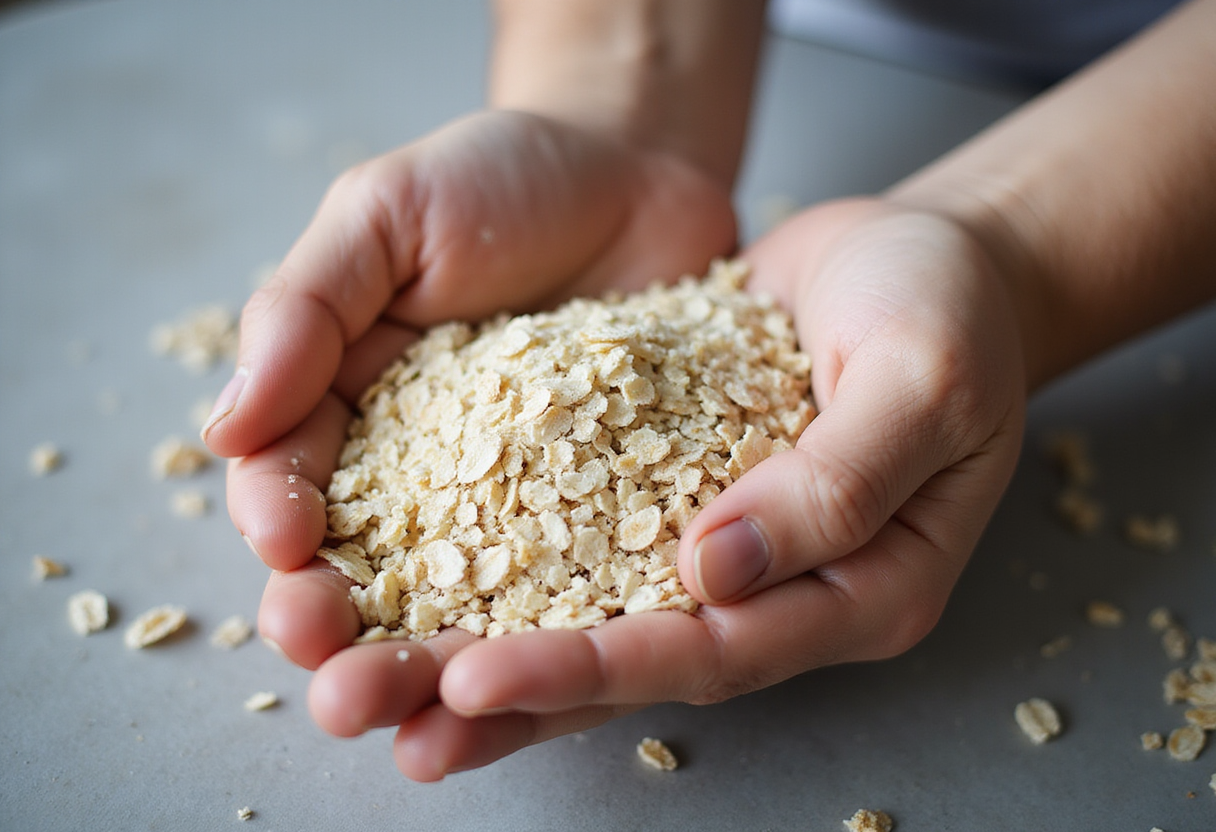
Colloidal oatmeal refers to finely milled oat (Avena sativa) kernels suspended in a vehicle (the lotion, cream, or bath medium that carries the active). The U.S. Food and Drug Administration recognized the ingredient as an over-the-counter skin protectant in 2003 under the relevant monograph (the rulebook that defines allowable marketing claims for non-prescription products). It appears in eczema lotions, bath soaks, and adjunct moisturizers, with manufacturer claims centered on itch relief and barrier support.
How strong is the prior evidence for colloidal oatmeal?
Decades of consumer use and in vitro (laboratory) data underpin the ingredient's reputation. Published human-subject evidence is sparser, and randomized trials (experiments in which patients are randomly assigned to treatment or control) remain limited. Earlier dermatology reviews describe colloidal oatmeal as well tolerated and mechanistically plausible rather than as a guideline-grade intervention (one strong enough to embed in formal practice recommendations).
What does a case-series design permit?
The Cureus authors followed a small clinical cohort without a comparator arm (a parallel group receiving a different or no treatment), without randomization, and without blinded outcome assessment. Case series sit at the lowest tier of clinical evidence (ranked beneath controlled observational studies and randomized trials for resistance to bias). They describe what clinicians observed. They do not establish causality or quantify treatment effect.
What details does the available record omit?
The accessible title does not disclose patient number, baseline severity scores, follow-up duration, or whether colloidal oatmeal served as a stand-alone therapy or an adjunct to standard care. Without those parameters, the work functions as clinical anecdote rather than as a treatment-effect estimate. That distinction matters to payers, formulary committees (panels that decide which products to cover), and guideline authors alike.
How does the choice of journal color interpretation?
Cureus operates an open-access model (free to read without subscription) with editorial selectivity thresholds that some readers consider permissive. The case-series design itself signals a low evidence tier before peer review even enters the picture.
What should clinicians take from the publication?
Colloidal oatmeal carries a benign safety profile, including in pediatric and geriatric patients, and remains a reasonable adjunct for xerotic skin (skin that is abnormally dry, rough, or scaly). The new case series neither elevates nor diminishes that standing, as its design cannot resolve efficacy questions that better-controlled trials have not yet answered.
The publication marks an incremental addition to the colloidal oatmeal record rather than a turning point. Readers should expect a steady trickle of case-level reports until a sponsor commits to a powered comparative study (one designed to detect a prespecified difference with adequate statistical confidence).
Source: Google News: Atopic dermatitis
Amara Osei
Show full bio
Correspondent covering technology and product news in Clinical dermatology, inflammatory skin disease and biologics at Derm Field.