DermDx Case: Crusted, Non-Healing Blisters on Head and Hands
Updated
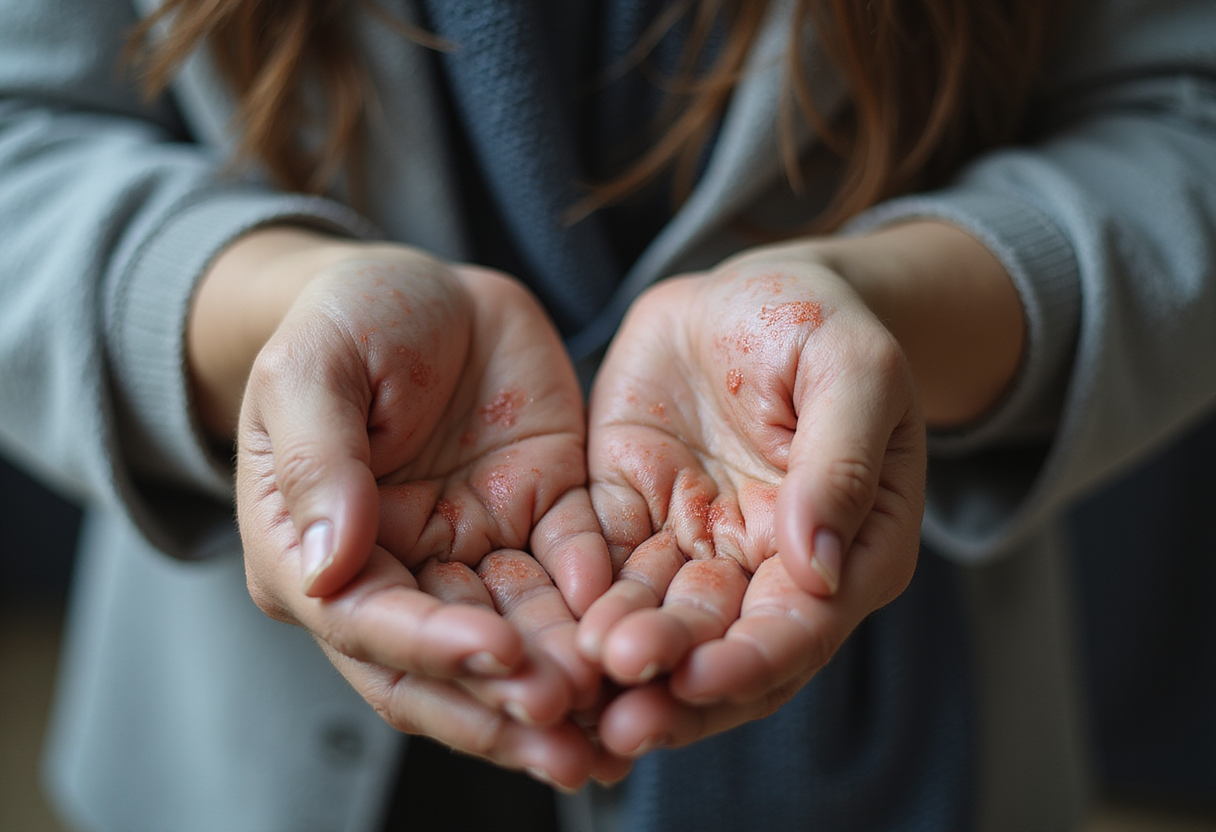
A 66-year-old man presents with crusted, non-healing blisters on his head and hands. That is the setup of the latest DermDx diagnostic challenge published by Dermatology Advisor, a case-based quiz format that drops the image and history first and asks clinicians to commit to a diagnosis before scrolling to the answer.
The presentation itself carries weight. Blisters on the head and hands that crust over and refuse to heal sit squarely in the differential for autoimmune blistering disease, and the anatomic distribution — sun-exposed sites — narrows it further. Pemphigus foliaceus, bullous pemphigoid and porphyria cutanea tarda all belong on that list, though the published case report holds the final diagnosis behind the quiz answer.
What does this change for practitioners?
Quiz formats like DermDx are not continuing-credit education in the formal sense. Their value is speed. A single case refreshes pattern recognition for vesiculobullous disease, a category where diagnosis is often delayed because early lesions are crusted, excoriated or secondarily infected by the time the patient reaches the clinic.
For dermatologists, the practical takeaways from any head-and-hands blistering case run along familiar lines:
- Crusts can hide the primary lesion; look for intact bullae at the edge of eroded areas.
- Perilesional skin is the biopsy site for direct immunofluorescence, not the eroded center.
- Distribution on the head and hands should prompt questions about sun exposure and, where relevant, alcohol or estrogen exposure when porphyria is in play.
The DermDx series runs regularly in Dermatology Advisor's clinical coverage, alongside similar image-based challenges the outlet publishes across inflammatory, infectious and neoplastic categories.
Dermatology Advisor has not stated the diagnosis in the public teaser for this installment; readers who want the answer and the discussion will find it at the end of the quiz on the publication's site. Whether the case turns out to be an autoimmune bullous disorder or something less expected, the format itself — image first, commit, then read the reasoning — remains a low-effort way to keep blistering-disease recognition sharp.
Source: Google News: Dermatology
Sophie Lindqvist
Show full bio
Market editor covering people, launches and day-to-day practice in Clinical dermatology, inflammatory skin disease and biologics at Derm Field.