Expert Consensus Maps Diagnosis, Treatment of Immunotherapy Skin Rashes
Updated
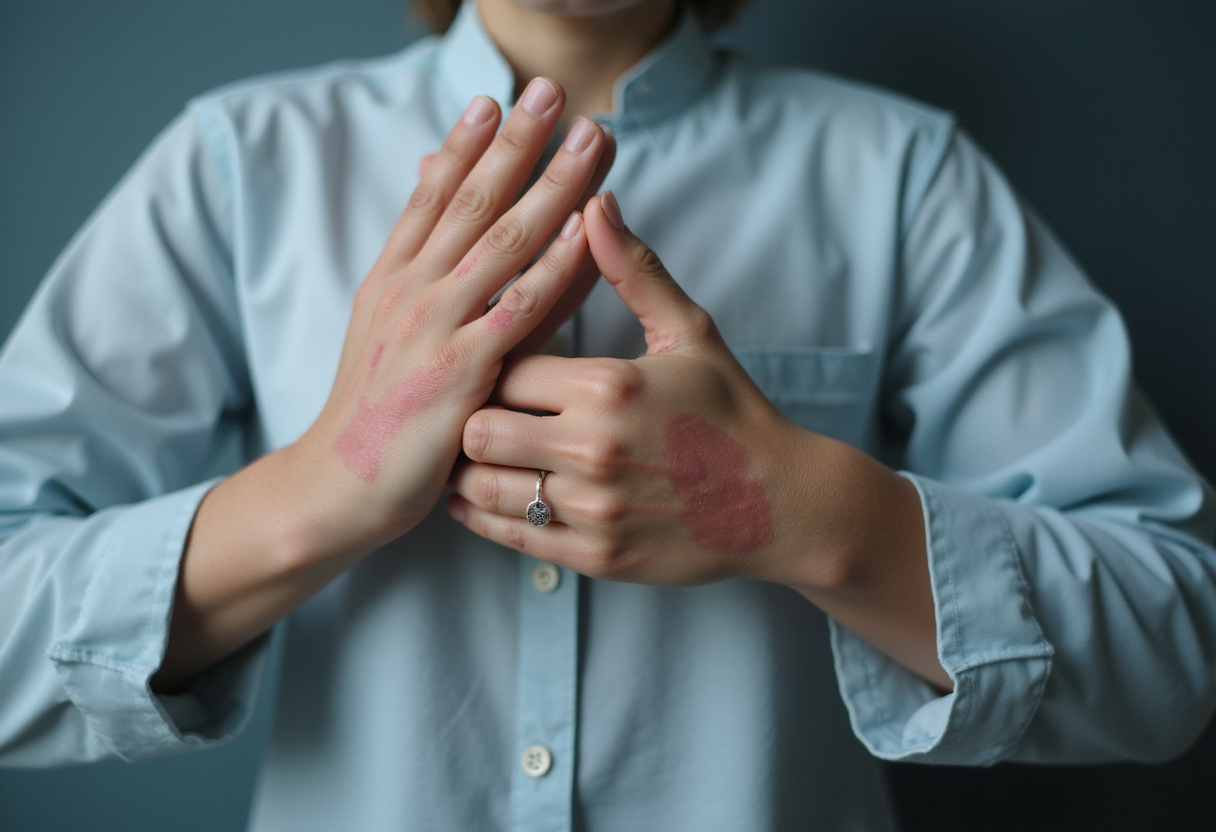
A new expert consensus has been published to help clinicians diagnose and treat the skin rashes that develop in patients receiving cancer immunotherapy. The document addresses a growing clinical problem: as immune checkpoint inhibitors move into earlier lines of therapy and more tumor types, cutaneous adverse events have become one of the most frequent complications dermatologists and oncologists encounter at the bedside.
The consensus maps the diagnostic workup and the treatment pathway for immunotherapy-associated rashes in a structured format. Its stated purpose is to give clinicians a practical framework — moving from recognition of the eruption, through classification of its severity, to selection of management — rather than leaving these decisions to improvised, center-by-center judgment.
Why a consensus was needed
Rashes in patients on cancer immunotherapy sit at the intersection of two specialties. Oncologists hold the leash on the anticancer regimen; dermatologists hold the diagnostic and therapeutic toolkit for the skin. The new consensus is built for that shared terrain. It lays out what clinicians should look for when a rash appears during treatment, how to distinguish the common, manageable eruption from patterns that demand urgent action, and how treatment decisions should escalate with severity.
The publication of formal expert guidance also signals how routine these cases have become. What was once an occasional consultation in a tumor clinic is now a defined subspecialty workload, and the consensus responds by consolidating scattered practice patterns into a single reference.
What the framework covers
According to the announcement of the document, the consensus addresses two connected tasks: diagnosis and treatment.
On the diagnostic side, the guidance directs clinicians through the evaluation of a new rash in an immunotherapy patient — a population in which the differential diagnosis is complicated by the cancer itself, by concomitant cytotoxic or targeted agents, and by the immune-mediated character of the eruption.
On the treatment side, the consensus maps management options against the clinical picture. The framework is designed to support decisions about topical and systemic therapy and about whether the immunotherapy regimen itself must be interrupted — the judgment that carries the highest stakes, since unnecessary discontinuation can cost the patient an effective anticancer treatment, while delayed withdrawal can allow a life-threatening immune reaction to progress.
The clinical stakes
Skin involvement is among the most visible signals that a patient's immune system has been unleashed against normal tissue as well as against the tumor. A structured response to that signal serves two goals at once: it protects the patient from unchecked cutaneous and, potentially, systemic immune toxicity, and it protects the oncology plan from premature termination of a therapy that may be controlling the cancer.
For dermatologists, the consensus offers a footing in a consultation setting where the stakes of a rash extend well beyond the skin. For oncologists, it offers a triage logic that clarifies when dermatology input changes the course of the cancer treatment itself.
Looking ahead
The document's appearance suggests the field is moving from case-report-era improvisation toward standardized pathways for immune-related cutaneous toxicity. As checkpoint inhibitor indications continue to expand, clinicians should expect this consensus to anchor local protocols — and to be tested and refined as experience with these eruptions accumulates across larger and more diverse patient populations.
Source: Google News: Skin cancer
Daniel Okafor
Show full bio
Staff writer covering people, launches and day-to-day practice in Clinical dermatology, inflammatory skin disease and biologics at Derm Field.