FDA Clears New Sunscreen Ingredient; Product Now on U.S. Shelves
Updated
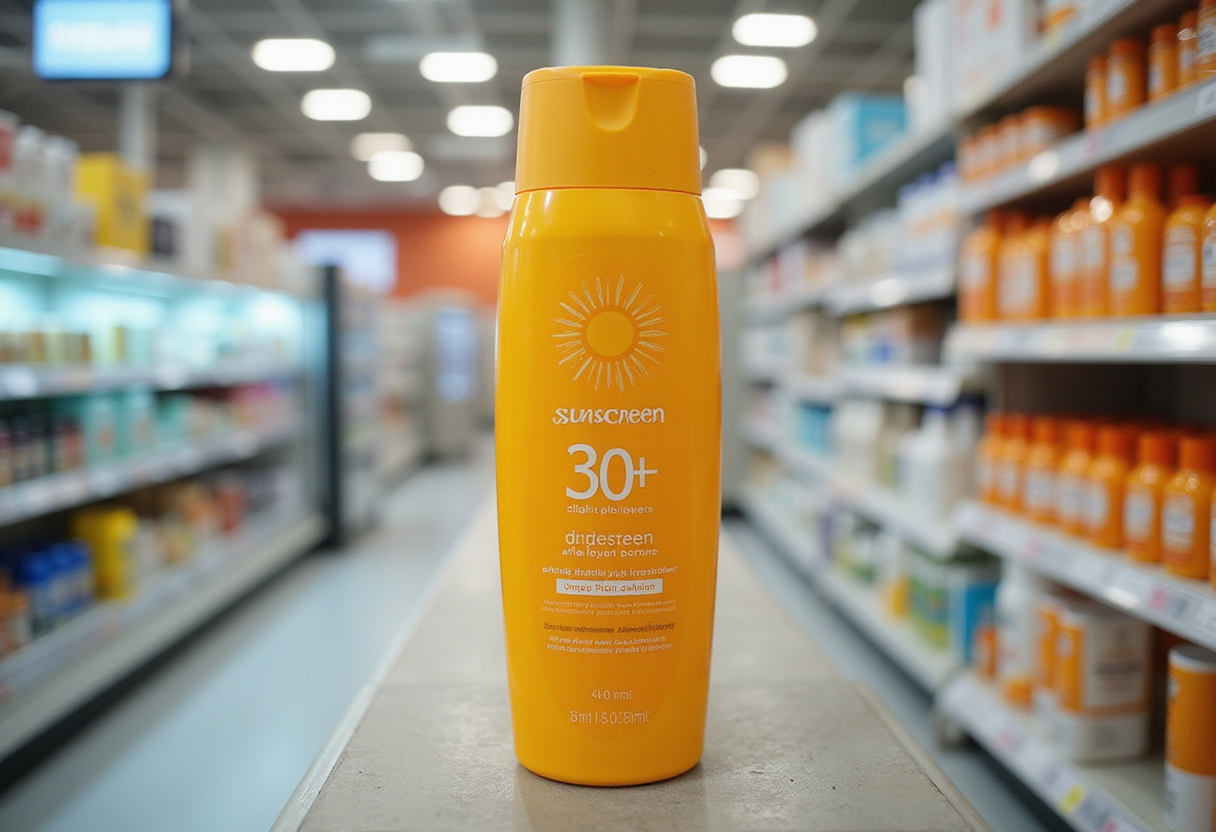
The FDA has approved a new sunscreen ingredient, and products containing it are already on U.S. shelves, according to a NewsRadio 1370 AM & 92.9 FM WSPD report.
That's the headline fact, and it's a rare one. New sunscreen filters don't reach the American market often — the FDA's over-the-counter sunscreen monograph has moved slowly for years, leaving U.S. consumers with a shorter menu of UV filters than shoppers in Europe and Asia. Any addition to that list is a regulatory event worth tracking.
What do we actually know right now?
The report confirms three things:
- The FDA approved the ingredient.
- It's a sunscreen ingredient — meaning a UV filter, not a finished product claim.
- Formulations containing it have already hit retail shelves in the United States.
The report doesn't name the specific filter, the approval date, or the manufacturer, so we won't speculate. What we can say is what an approval of this kind means in practical terms for dermatology practice and for patients.
Why a single new filter matters
Sunscreen is the backbone of photoprotection counseling in dermatology — for skin-cancer prevention, for photodermatoses, and as adjunctive care in hyperpigmentation and photosensitizing drug regimens. Yet the U.S. filter list has been essentially frozen for decades; several filters common abroad, like bemotrizinol and bisoctrizole, have never cleared the FDA bar. The result has been formulation constraints: fewer photostable, broad-spectrum options, and cosmetically elegant textures that patients actually want to reapply.
A new approved filter changes the formulation math. Depending on its absorption profile, it can broaden UVA coverage, improve photostability in combination with older filters, or reduce the concentration needed of less elegant ingredients. Those are the outcomes dermatologists will be watching for in the finished products now arriving at retail.
What does this change for patients and prescribers?
For patients: more choice on the shelf, potentially better textures that improve adherence — and adherence, not SPF theory, is where daily photoprotection usually fails.
For clinicians: a reason to refresh counseling materials. When new filters reach mass retail, patients ask two questions — "is it safe?" and "does it work as well as what I use?" The answers live in the approval data and the finished product's SPF and broad-spectrum testing, both of which the FDA process requires before that product can legally carry its label.
One caution worth stating plainly: FDA approval of an ingredient is not the same as head-to-head superiority over existing zinc oxide, titanium dioxide, or legacy chemical filters. Until published comparative data appears, the honest clinical framing is "another validated option," not "a better one."
What to watch next
Expect the ingredient's name, the approval pathway details, and the specific brands carrying it to surface in FDA announcements and manufacturer releases over the coming weeks. Dermatologists will want the filter's maximum permitted concentration, its UV absorption spectrum, and any photostability or dermal-absorption data attached to the approval file.
For now, the market fact stands: a new UV filter has cleared the FDA and is sitting on American shelves — a genuinely infrequent event, and one that could shape the next generation of daily-use sunscreens patients are actually willing to wear every day.
Source: Google News: Skin cancer
Olivia Hart
Show full bio
News editor covering technology and product news in Clinical dermatology, inflammatory skin disease and biologics at Derm Field.