Food Insecurity Linked to Adult Eczema in NHIS Cross-Sectional Analysis
Updated
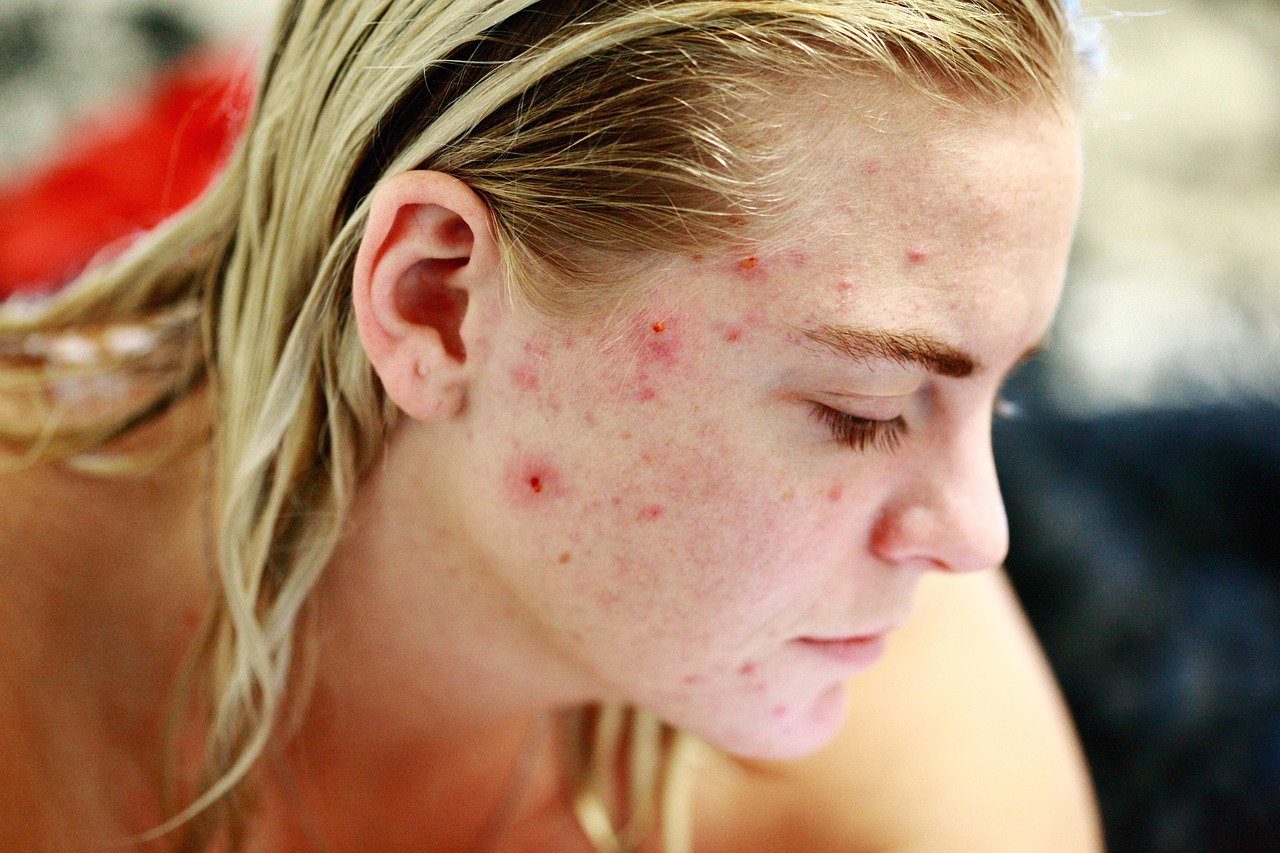
Adults reporting food insecurity show higher odds of self-reported eczema or skin allergy, according to a cross-sectional study published online October 15, 2026, in the Journal of the American Academy of Dermatology (JAAD).
The analysis draws on two waves of the National Health Interview Survey (NHIS): 2012 and 2024. Shannon Bennett, Ayo Abiara, Soneet Dhillon, Raediance Fuller, Vincent Gao, Natasha Novak, and Jashin Wu designed the study to test whether household food insecurity tracks with a dermatologic outcome that clinicians usually treat one prescription at a time — without ever asking what's in the pantry.
That's the uncomfortable practical question the paper puts in front of dermatologists: what does this change for the exam room?
What the study actually measured
The design is cross-sectional, and the authors are clear-eyed about what that means. NHIS respondents self-reported eczema or skin allergy, and food insecurity was captured through the survey's standard household items. Self-report has known limits for outcome ascertainment — it's not a clinician-confirmed EASI score or patch-test result — but NHIS gives something a specialty clinic can't: a nationally representative sample, in two time points a dozen years apart.
Comparing 2012 with 2024 lets the researchers look at the association across two very different economic climates. The 2024 wave, in particular, reflects a period when food insecurity has been rising in US households, which makes the dermatologic angle timely rather than academic.
Why dermatology should care
Eczema in adults is already a disease with well-documented socioeconomic gradients — access gaps, treatment adherence, and flare frequency all track with income and insurance status. Food insecurity sits upstream of all of those.
For practicing dermatologists, the study's framing suggests a screening conversation, not just a prescription. If food insecurity raises the odds of reported eczema or skin allergy, then the modifiable factors — diet quality, stress, household stability — may be part of the disease picture rather than background noise.
The obvious caveats hold. Cross-sectional data cannot establish direction: food insecurity could worsen skin disease, skin disease could drain household resources through treatment costs, or a third factor could drive both. The self-reported outcome measures keep this at the hypothesis-generating tier of evidence, not the interventional tier.
What does this change for patient care?
Nothing in the way of a new drug or device — and that's the point. What the study offers is an epidemiologic signal big enough, and recent enough (2024 data, published October 2026), to justify screening questions in adult eczema visits.
The 2012-versus-2024 structure also gives researchers a baseline. If the association strengthens across those twelve years, longitudinal follow-up using NHIS or a clinic-anchored cohort becomes the logical next step — ideally with clinician-confirmed diagnoses and validated food-insecurity instruments.
Until then, the study stands as a well-timed prompt: for a subset of adult eczema patients, the most clinically relevant finding may come from a question about the household food supply, and future NHIS waves will show whether that signal holds.
Source: Journal of the American Academy of Dermatology (Elsevier)
Olivia Hart
Show full bio
News editor covering technology and product news in Clinical dermatology, inflammatory skin disease and biologics at Derm Field.