Gaza Dermatology Patients Carry Heavy Psychiatric Burden
Updated
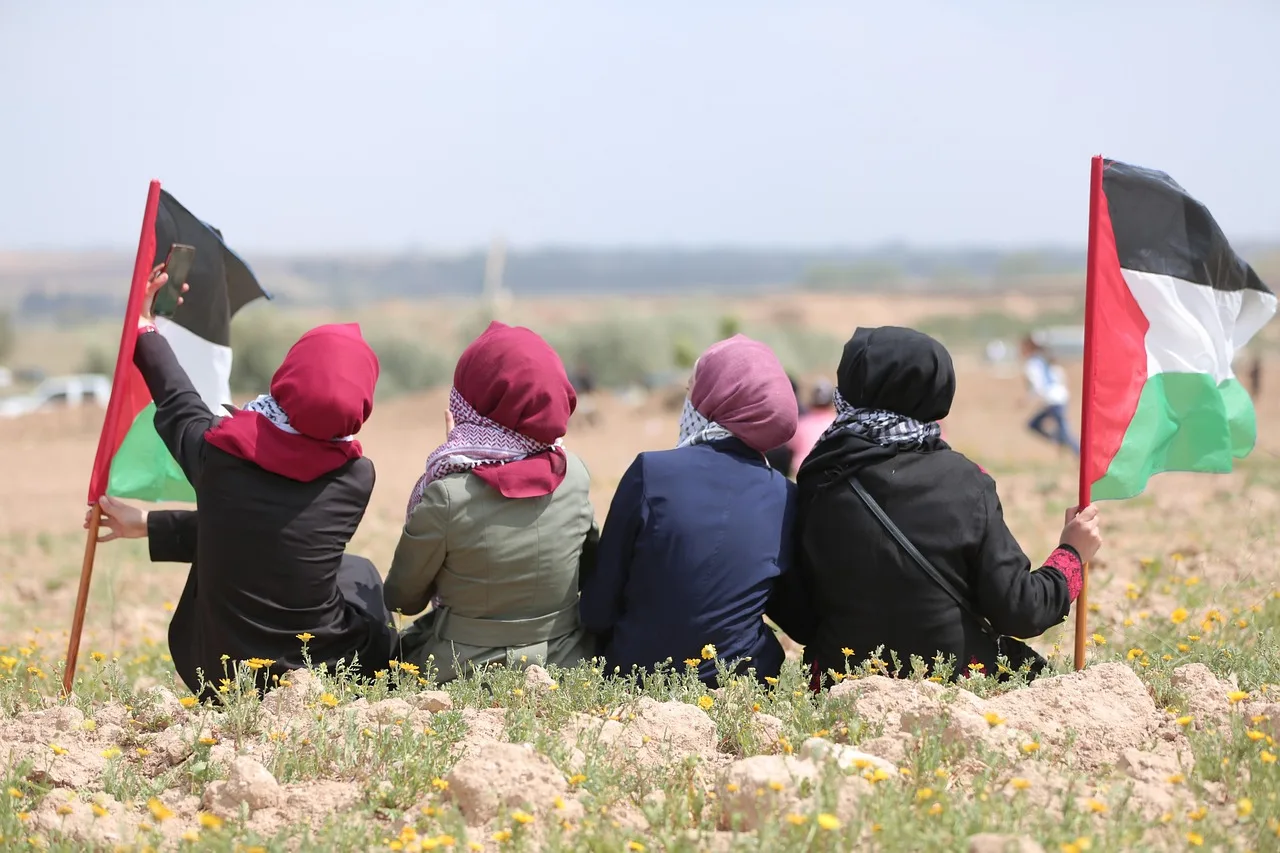
Gaza residents seeking dermatologic care show what researchers describe as a crushing psychiatric burden, according to a report highlighted by Bioengineer.org — a signal that skin disease in active conflict zones can't be treated as a cutaneous problem alone.
The report, surfaced under the headline "Skin Deep and Wounded: Gaza Dermatology Patients Show Crushing Psychiatric Burden," centers on patients living with skin disease while enduring the ongoing war in Gaza. The framing is blunt: the psychiatric load carried by these dermatology patients isn't a secondary footnote. It sits at the center of the clinical picture.
That finding lands in a specialty that already knows the mind-skin axis well. Dermatology literature has long documented elevated rates of anxiety, depression and diminished quality of life in patients with chronic inflammatory conditions such as psoriasis, atopic dermatitis and acne — with psychodermatology guidelines increasingly calling for mental-health screening alongside standard skin-directed therapy. The Gaza data pushes that conversation into a setting where displacement, injury, bereavement and collapse of health infrastructure compound the baseline risk.
Why the setting matters more than the diagnosis
Conflict conditions strain skin health through several channels dermatologists recognize immediately: crowded shelters accelerate scabies and other infestations, disrupted water access undermines basic hygiene-dependent management of eczema and wound care, and interrupted supply chains cut patients off from topical corticosteroids, systemic agents and biologics mid-course. Each of those disruptions has a psychiatric mirror — treatment interruption breeds hopelessness, visible skin disease in crowded conditions feeds stigma and social withdrawal.
The Bioengineer.org report doesn't soften that picture. Its language — "crushing" — reflects the magnitude the authors observed in this patient population, though the public summary does not break out specific prevalence figures, screening instruments or cohort size.
What does this change for dermatology practice?
For clinicians and organizations working in conflict zones, the practical takeaway is screening. Psychiatric burden of this scale argues for embedding validated mental-health screening into dermatology encounters rather than referring it out, because in a setting like Gaza, referral pathways largely don't exist. For the broader specialty, it's a reminder that trial populations in stable, well-resourced settings may dramatically understate the true burden of disease that clinicians will face in humanitarian contexts.
It also raises a research question the field hasn't answered well: how skin-directed therapy itself performs as a mental-health intervention in war settings. If the psychiatric burden is this heavy, effective dermatologic treatment may carry psychological benefit well beyond PASI or EASI improvement.
The Gaza report adds a data point dermatology can't ignore: in active conflict, the skin and the mind take damage together, and clinical responses that treat them separately will miss both.
Full methodological details, cohort parameters and outcome measures appear in the original report.
Source: Google News: Dermatology
Olivia Hart
Show full bio
News editor covering technology and product news in Clinical dermatology, inflammatory skin disease and biologics at Derm Field.