GLP-1 Use Linked to Fourfold Higher Rate of Nail Detachment
Updated
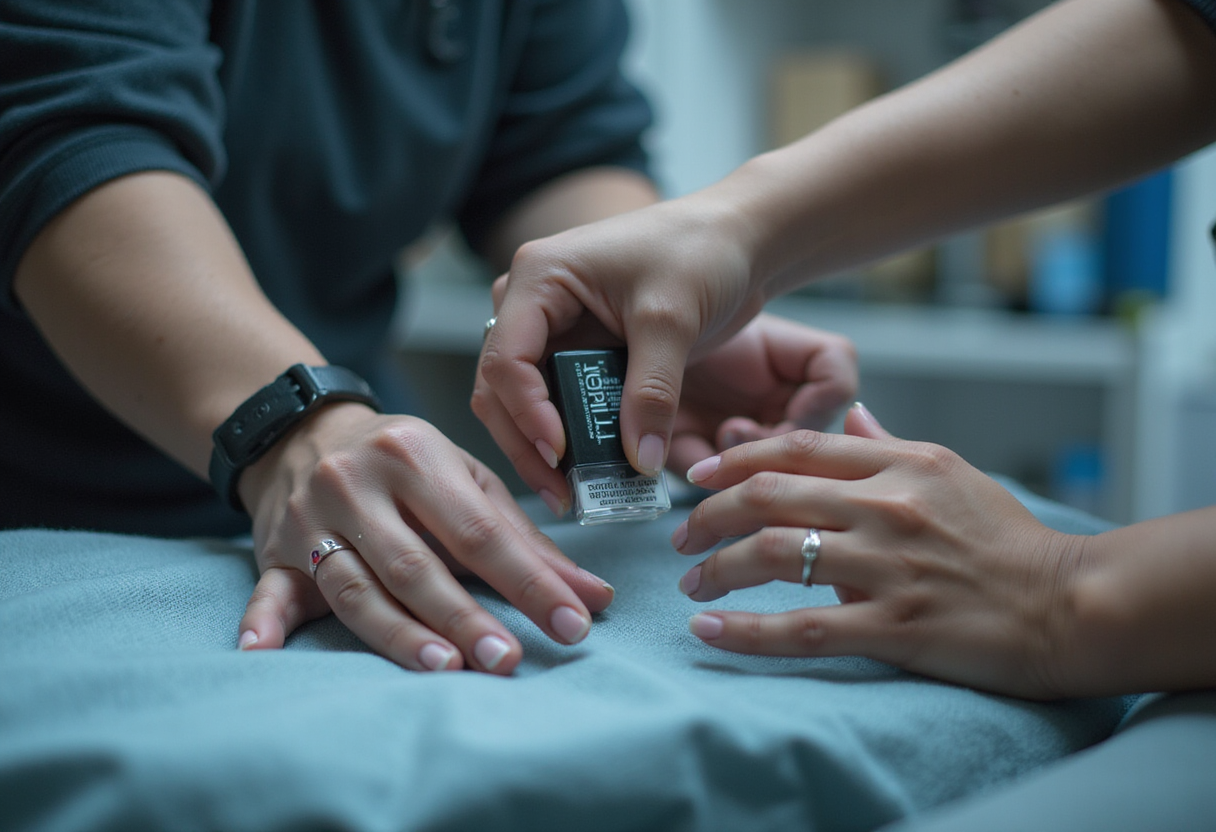
Nail detachment occurred four times more often in patients using GLP-1 receptor agonists, according to new findings reported by HCPLive — a signal that adds onycholysis to the growing list of cutaneous associations tied to the widely prescribed drug class.
The fourfold increase marks one of the larger effect sizes reported to date among dermatologic events linked to GLP-1 therapy, a class that includes agents such as semaglutide and tirzepatide. As prescriptions for these drugs climb, dermatology clinics are increasingly the first point of contact for patients presenting with mucocutaneous complaints that neither patient nor prescriber connects to a metabolic medication.
What did the analysis find?
The core finding is the rate ratio itself: nail detachment was four times more common among GLP-1 users than among non-users. Nail detachment — separation of the nail plate from the nail bed, clinically termed onycholysis — typically presents with painless distal separation but can progress to discoloration, secondary infection and permanent nail dystrophy if unrecognized.
For dermatologists, the practical implication is straightforward. A patient on a GLP-1 receptor agonist who presents with new-onset onycholysis, and who lacks the classic triggers — trauma, psoriasis, onychomycosis, contact allergy to nail cosmetics — should prompt a medication review rather than an exhaustive workup that stops at the nail unit.
Why does this matter for practice?
GLP-1 receptor agonists have already been associated with a range of skin and skin-adjacent adverse events reported in pharmacovigilance data and case series, and the drug class now sits among the most prescribed medications in the United States. Any cutaneous signal with a rate ratio of four deserves a place in the differential, because the exposure base is enormous and growing.
The reported association also cuts the other way. Patients already under dermatologic care for nail disease who are started on a GLP-1 agonist for diabetes or obesity management may experience worsening or new detachment, and proactive counseling at the time of prescription could spare unnecessary diagnostic delay.
The finding adds a concrete, exam-room-visible item to that counseling list. Unlike laboratory abnormalities or systemic symptoms, nail changes are detectable in seconds during a routine skin examination.
What should clinicians watch for?
The clinical takeaway for Derm Field readers:
- New onycholysis in a GLP-1 user warrants a structured differential that includes drug etiology alongside trauma, fungal infection and psoriasis of the nails.
- The reported effect size — a fourfold increase — is large enough that medication history should be taken in every case of unexplained nail detachment.
- Photography and documentation at baseline are prudent for patients starting GLP-1 therapy who already have nail findings.
What comes next?
The finding, as reported, establishes an association rather than a mechanism. Whether the detachment reflects a direct effect of GLP-1 receptor signaling on the nail matrix and bed, an immune-mediated process, or a confounded signal remains to be characterized in prospective cohort data — and confirmation of the observation in larger, controlled populations will determine whether onycholysis earns a formal mention on prescribing information for the class.
Source: Google News: Dermatology
Tom Whitfield
Show full bio
Senior reporter covering companies, deals and strategy in Clinical dermatology, inflammatory skin disease and biologics at Derm Field.