Melanoma Vaccine Cuts Recurrence Risk in Landmark Trial
Updated
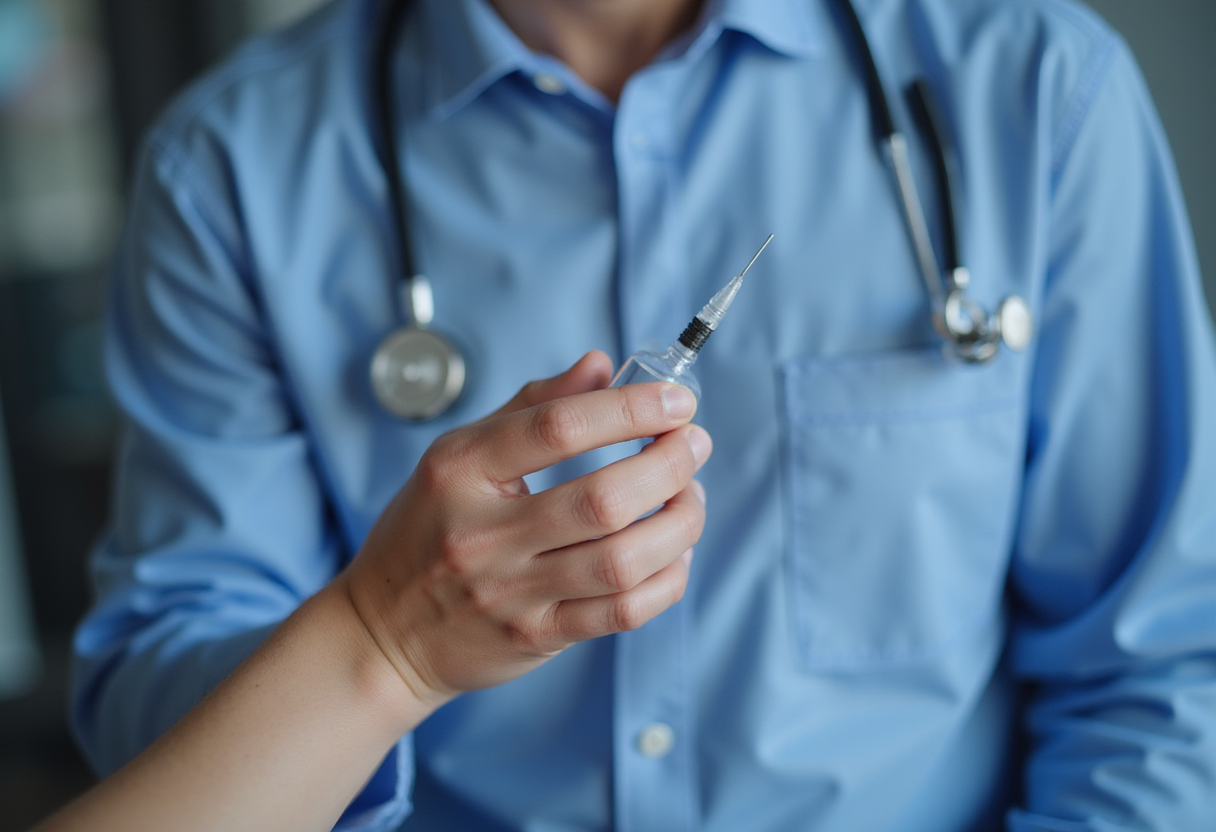
A cancer vaccine has prevented deadly melanoma from returning or spreading after treatment, according to results from a landmark clinical trial reported by Fox News. The finding marks one of the clearest demonstrations to date that a therapeutic vaccine can change the course of the disease in patients who have already been diagnosed.
Melanoma remains the most lethal form of skin cancer. Once it has advanced beyond the earliest stage, patients face a substantial risk of recurrence and metastasis after surgical removal, and clinicians have long sought adjuvant strategies that reduce that risk without adding unacceptable toxicity. A vaccine that trains the immune system to recognize and attack residual melanoma cells directly addresses that unmet need.
The trial evaluated whether vaccination after initial treatment could keep the disease from coming back or spreading to distant sites. According to the report, it did. The vaccine prevented melanoma recurrence and prevented the cancer from spreading, an outcome described as a landmark result for the field of cancer immunotherapy.
For dermatologists and the broader skin-cancer care team, the implications are significant. Skin cancer management has already been reshaped over the past decade by checkpoint inhibitors and targeted therapies, but recurrence after surgery continues to drive mortality in melanoma. An effective vaccine administered in the adjuvant setting could extend disease-free survival for a population that currently has limited options once tumors have been excised.
The result also carries weight beyond melanoma. Therapeutic cancer vaccines have spent years on the margins of oncology after a string of failed late-stage trials. A landmark success in melanoma, a tumor class long known to be immunologically responsive, provides the strongest signal yet that vaccine platforms have matured into a viable treatment modality. If the approach holds up, it could accelerate development of similar vaccines for other malignancies, including non-melanoma skin cancers.
Dermatology practices will not administer such vaccines directly, but the findings will reshape referral pathways and follow-up expectations. Patients treated for high-risk melanoma are typically surveilled for years with regular skin examinations and imaging. A vaccine that reliably prevents recurrence would change the risk calculus for these patients and could redefine what constitutes high-risk disease requiring adjuvant intervention.
Full trial details, including effect sizes, patient numbers, and duration of follow-up, will determine how practice changes. Fox News described the study as a landmark trial without publishing the complete statistical results in its headline coverage. Clinicians will want the peer-reviewed data before drawing conclusions about which patient populations stand to benefit most, and how the vaccine would fit alongside existing adjuvant immunotherapy.
Questions also remain about access. Vaccine-based cancer therapy is resource-intensive to manufacture, particularly where each dose must be matched to an individual patient's tumor. Payer coverage, manufacturing capacity, and cost will all influence whether the treatment reaches the broad population of melanoma patients who might qualify.
The next step is regulatory review and, if approval follows, integration into melanoma treatment guidelines. If the trial's findings are confirmed in published data, the first therapeutic cancer vaccine proven to prevent melanoma recurrence and spread could move from trial pipeline to clinical practice within the current treatment-era horizon.
Source: Google News: Melanoma
Amara Osei
Show full bio
Correspondent covering technology and product news in Clinical dermatology, inflammatory skin disease and biologics at Derm Field.