Melatonin May Offer a Surprising Shield Against Skin Cancer, Review Suggests
Updated
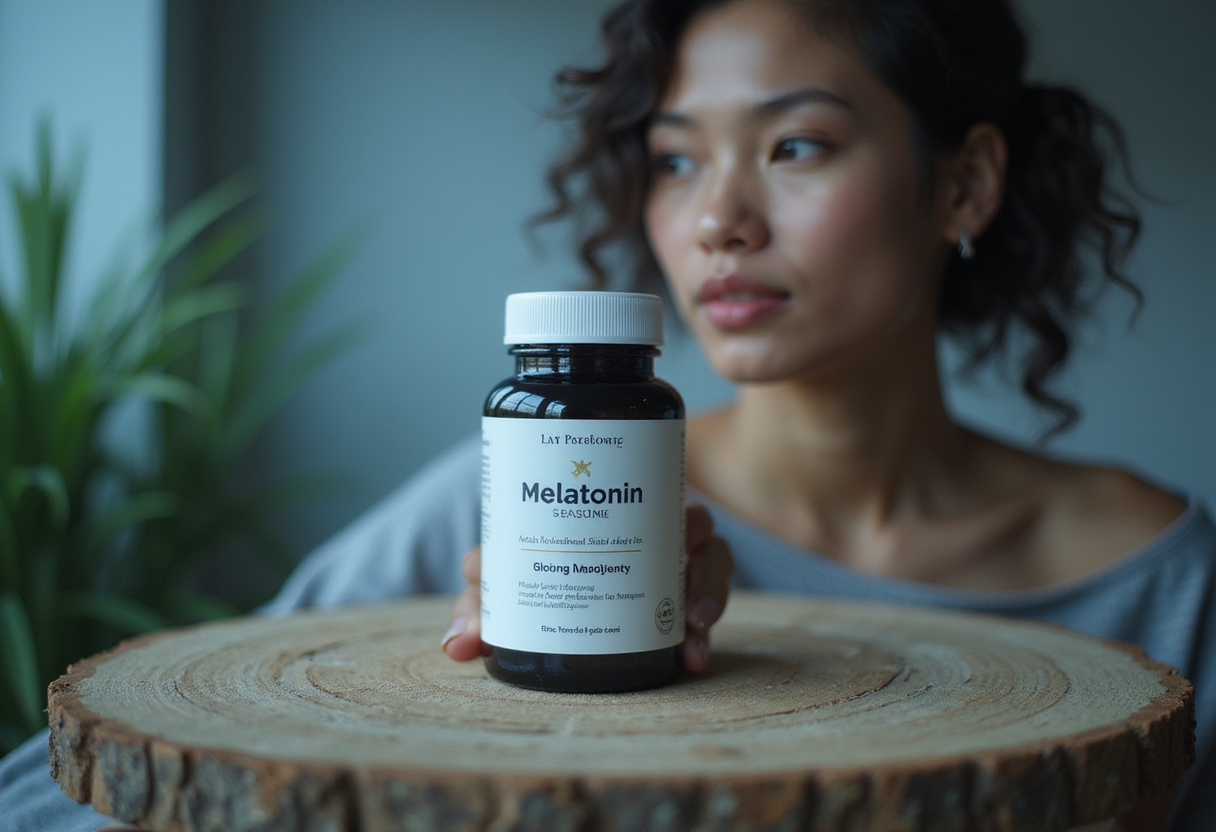
A newly surfaced review article suggests melatonin, the pineal hormone best known for regulating circadian rhythm, may exert a protective effect against skin cancer.
The review, highlighted by Bioengineer.org, frames melatonin as a potentially surprising shield against cutaneous malignancy — a proposition that, if confirmed in controlled trials, would add a widely available, low-cost compound to the chemoprevention conversation in dermatologic oncology.
Why is melatonin being considered for skin cancer prevention?
Melatonin is not a conventional player in skin-cancer therapeutics. The field's current prevention arsenal centers on UV avoidance, broad-spectrum sunscreen, and regular dermatologic surveillance for high-risk patients. A hormone primarily associated with sleep would, on its face, seem an unlikely candidate.
The review's premise rests on the premise that melatonin's established biological properties — it functions as a potent free-radical scavenger — could translate into protection against UV-induced DNA damage in keratinocytes and other epidermal cells. Oxidative stress from ultraviolet radiation is a principal driver of photocarcinogenesis in both melanoma and non-melanoma skin cancer.
What does the review actually claim?
The available information indicates the review synthesizes existing evidence linking melatonin to reduced skin-cancer risk or reduced tumor development, and that the authors characterize the findings as suggestive rather than conclusive. The word "may" in the headline carries weight here: this is not an approval, a guideline change, or a recommendation to prescribe.
Derm Field readers should treat this as a hypothesis-generating signal. The review format itself — a synthesis of prior studies rather than a prospective randomized trial — limits the strength of any causal claim about melatonin and cutaneous malignancy.
What should clinicians watch for next?
The critical question is whether the mechanistic rationale survives contact with clinical data. Chemoprevention trials in dermatology have a mixed track record, and any melatonin-based prophylaxis would need to demonstrate:
- A measurable reduction in incident keratinocyte carcinomas or melanoma in a defined cohort
- Clear dosing, formulation, and route of administration for cutaneous use
- An acceptable safety profile with long-term use
Until such data exist, the review's value lies in mapping the evidence gaps and setting an agenda for trials rather than changing practice. Clinicians can expect follow-up research to test whether topical or systemic melatonin can meaningfully reduce UV-driven carcinogenesis in humans.
Source: Google News: Skin cancer
Daniel Okafor
Show full bio
Staff writer covering people, launches and day-to-day practice in Clinical dermatology, inflammatory skin disease and biologics at Derm Field.