Tanning Beds Triple Melanoma Risk, Northwestern Data Show
Updated
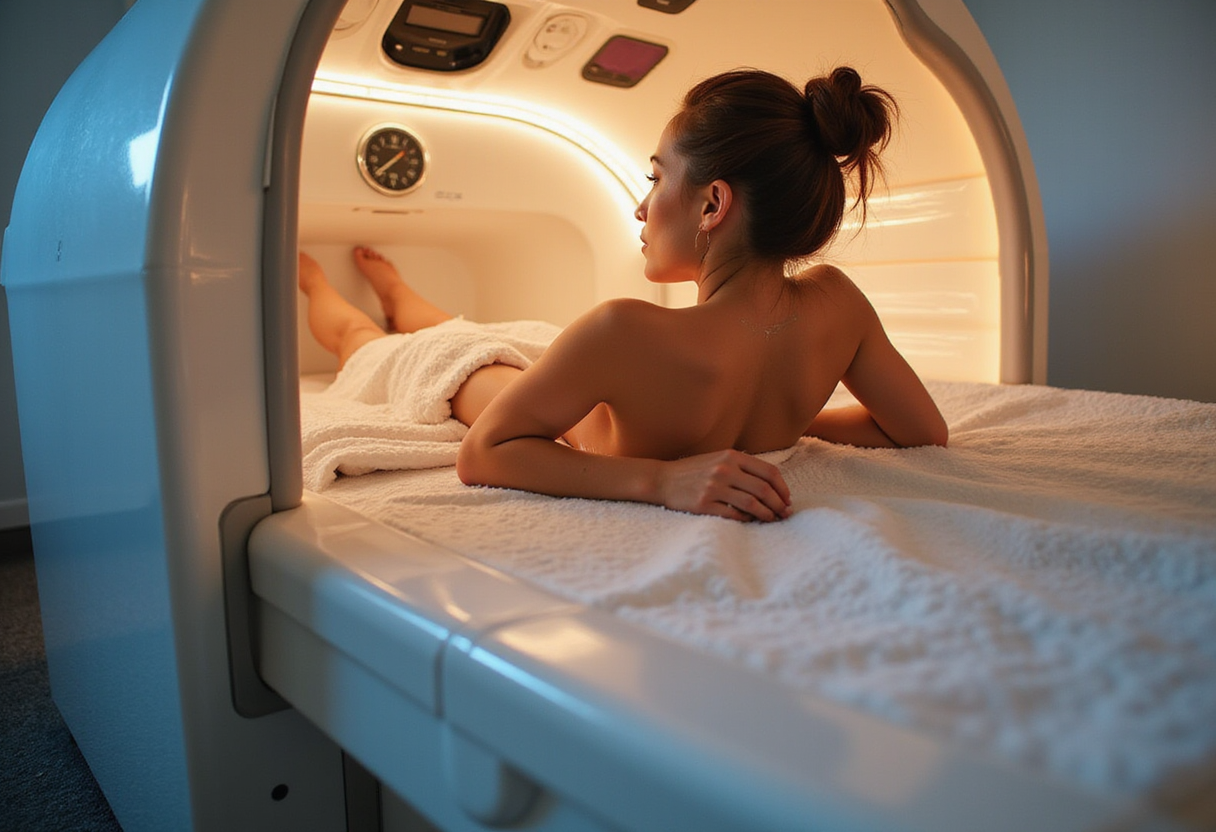
Indoor tanning devices triple the risk of melanoma, according to findings reported by Northwestern University. The same analysis points to a mechanism broader than dermatologists have typically emphasized: tanning bed radiation does not merely target discrete genes but potentially causes widespread DNA damage across the melanocyte genome.
The threefold increase in melanoma risk is the headline figure, and it demands attention on its own terms. A relative risk of 3.0 places indoor tanning among the strongest modifiable melanoma risk factors dermatologists can counsel patients on — comparable in magnitude to the risk elevations that reshaped public health policy around tobacco. For clinicians managing pigmented lesion clinics and total-body photography programs, the figure reinforces the case for documenting tanning bed history as systematically as clinicians document sun exposure history and family history of melanoma.
The DNA damage finding may carry even greater clinical weight. Northwestern's framing — broad, potentially genome-wide damage rather than damage confined to a handful of known hotspots — reframes how the carcinogenic process should be understood. If ultraviolet radiation from artificial sources produces diffuse mutational injury across the genome, then the clinical consequences likely extend beyond the classical model of UV-signature mutations accumulating at specific loci such as those driving BRAF and NRAS activation. Widespread DNA damage implies a larger mutational burden per exposure episode, and a correspondingly steeper dose-response relationship between tanning sessions and malignant transformation.
This has direct implications for risk stratification. Patients with early-life tanning bed use, high cumulative session counts, or a history of burns sustained in tanning booths warrant lower thresholds for dermatologic surveillance. The threefold risk multiplier should also inform conversations in cosmetic and general dermatology settings, where patients may present for aesthetic concerns while carrying an unexamined indoor tanning history.
Dermatologists have long counseled against indoor tanning, and professional societies have advocated restriction of the devices for years. What the Northwestern report contributes is a sharper quantitative anchor — the tripling of melanoma risk — paired with a mechanistic account that explains why the risk is so high. Broad DNA damage is consistent with the aggressive biology clinicians observe in tanning-bed-associated melanomas, which have historically presented in younger patients and at exposed body sites with unusual speed.
The counseling message for patients is straightforward and evidence-backed. A tanning bed is not a controlled, "safe" alternative to sunlight; it is a device that concentrates ultraviolet exposure and, per the Northwestern data, triples melanoma risk while potentially inflicting DNA damage across the genome. Patients preparing for vacations, weddings, or events who ask about a "base tan" should hear that the practice multiplies rather than mitigates risk. Adolescents and young adults remain the highest-uptake groups, and they also have the longest runway for latent malignancy to develop.
For practices, the findings support several concrete steps. Add indoor tanning history to intake questionnaires alongside UV exposure, immunosuppression, and family history. Flag tanning-bed users for full-body skin examinations at intervals consistent with elevated-risk protocols. And in states where minor-access restrictions remain weak or unenforced, the tripling of melanoma risk supplies a data point advocates can cite in legislative testimony.
The Northwestern report joins a growing evidence base, but its combination of a large effect size with a genome-scale damage mechanism gives dermatologists a more complete picture of the hazard. As mechanistic work on UV-induced mutagenesis advances, expect the quantification of DNA damage from artificial tanning sources to sharpen further — and with it, the clinical and policy case for keeping these devices out of routine use.
Source: Google News: Melanoma
Daniel Okafor
Show full bio
Staff writer covering people, launches and day-to-day practice in Clinical dermatology, inflammatory skin disease and biologics at Derm Field.