Cosmeceuticals & Skincare Science
Seppic Releases Prebiotic Efficacy Data for Moisturizing Active
Updated
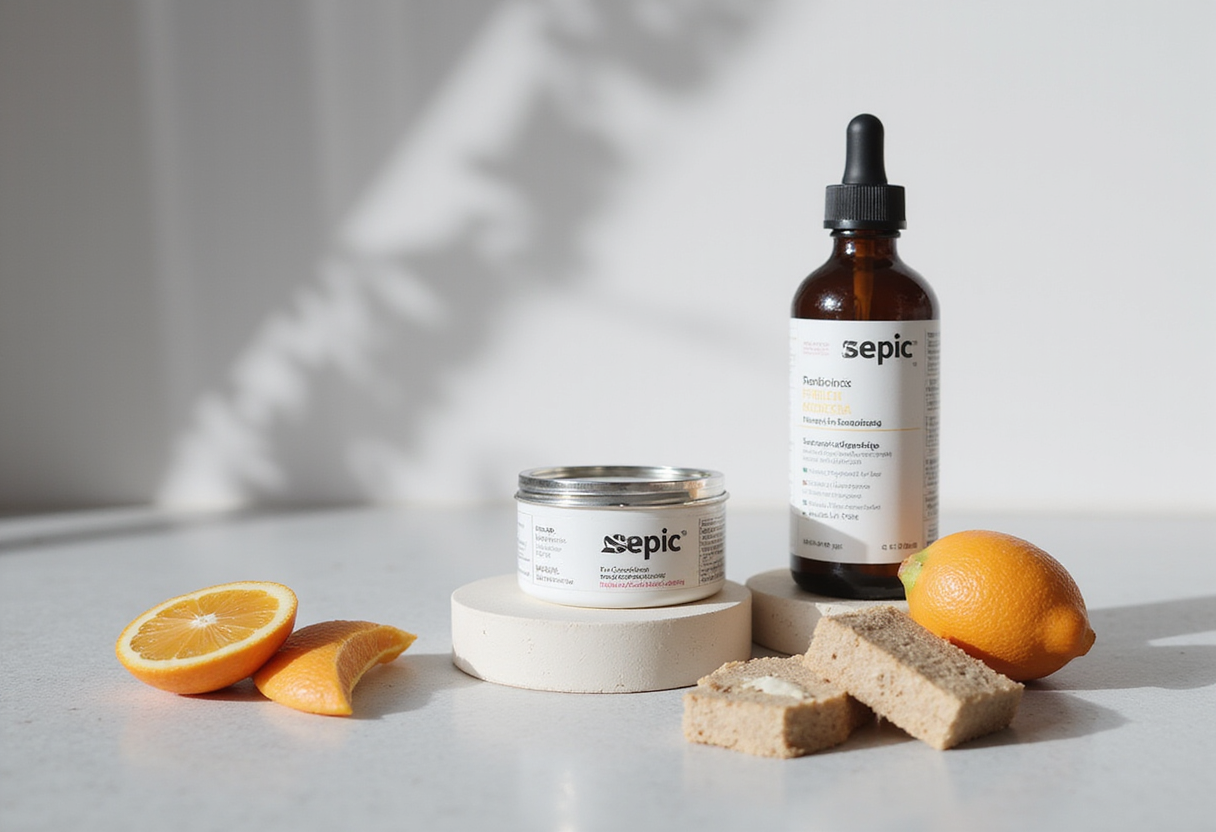
Seppic, the Paris-based specialty ingredients subsidiary of Air Liquide, has published new efficacy evidence for a prebiotic moisturizing active, the company confirmed through a Cosmetics & Toiletries news posting.
The announcement does not specify which of Seppic's marketed ingredients is the subject of the data set, the study design used, the comparator product, or the magnitude of any hydration or microbiome endpoints. Cosmetics & Toiletries, a trade publication covering formulation science, had not yet released the full report underlying the posting at the time of this writing.
What does "prebiotic" mean in a topical formulation?
In cosmetic dermatology, the term prebiotic describes a non-living substrate that supports the growth or activity of resident skin microorganisms thought to benefit the host. The category sits within a broader cosmeceutical trend, products positioned between cosmetics and over-the-counter drugs, that targets the skin barrier and its microbial community, often framed in industry materials as the skin microbiome.
Regulators in the United States and European Union do not currently recognize prebiotic skin claims as drug claims. Manufacturers may make structure-function statements, claims about normal physiological function rather than disease treatment, provided they do not imply treatment of a diagnosed condition. Readers evaluating any new prebiotic evidence should weigh that regulatory boundary before extrapolating moisturizing data to therapeutic claims in atopic dermatitis or seborrheic dermatitis.
Why is the publication timing noteworthy?
Industry observers should note that efficacy announcements timed to trade-press placement commonly precede peer-reviewed publication by several months. That sequence matters for dermatology readers. A trade-press claim carries less evidentiary weight than a controlled clinical study indexed in PubMed, the National Library of Medicine bibliographic database. The current posting does not state whether the supporting data will appear in a dermatology journal, a formulation science journal, or remain in internal technical reports.
What does the announcement not disclose?
The source item omits several specifics readers typically expect from an efficacy release:
- The ingredient name, INCI designation (International Nomenclature of Cosmetic Ingredients, the standardized labeling system), or concentration tested
- Sample size, inclusion criteria, or study duration
- Instrumentation used to measure skin hydration, such as corneometry, a capacitive method quantifying stratum corneum water content
- Whether the trial was sponsored, investigator-initiated, or third-party
- Any conflict of interest disclosures
Until those data points surface, the announcement functions as a signal of commercial intent rather than a verifiable scientific advance. Skepticism is the appropriate default posture.
What is the path forward?
Dermatology Times and JAAD (Journal of the American Academy of Dermatology) readers will watch for the next Seppic technical bulletin, a peer-reviewed paper, or an in vitro (laboratory-based) follow-up characterizing the active's effect on Staphylococcus epidermidis or Cutibacterium acnes populations. Any of those would shift the current posting from marketing communication to clinical evidence.
For now, the announcement is best cataloged as ingredient-vendor activity within a maturing prebiotic category, where regulatory clarity, comparative trials against established humectants (water-attracting ingredients) such as glycerin or hyaluronic acid, and consistent endpoint reporting remain unresolved industry-wide questions.
Source: Google News: Skin microbiome
Amara Osei
Show full bio
Correspondent covering technology and product news in Clinical dermatology, inflammatory skin disease and biologics at Derm Field.