Teen Campaign Warns 'Tanmaxxing' Is Skin Cancer Maxxing
Updated
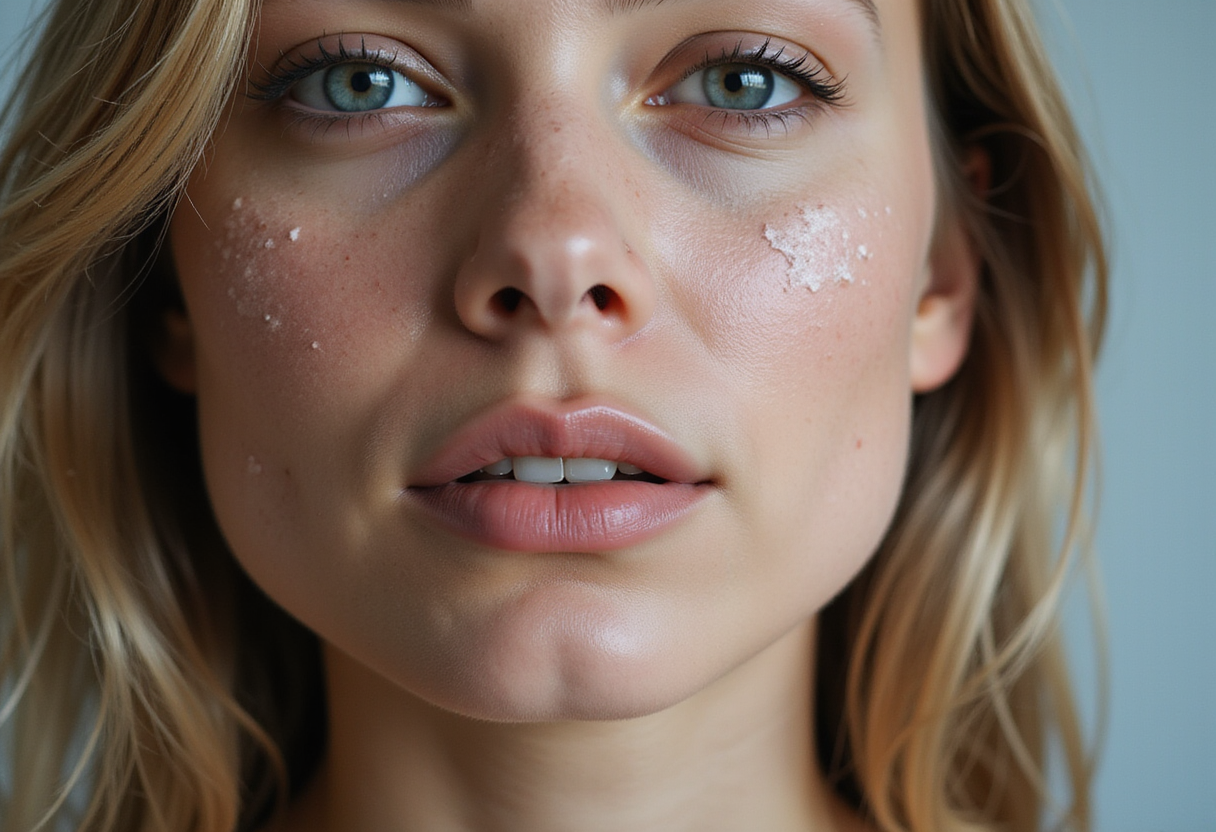
A teenager working with The Skin Cancer Foundation has issued a blunt warning to peers who chase ever-darker tans: "tanmaxxing," as the trend is known online, amounts to skin cancer maxxing.
The phrase lands hard because it collapses the distance between an aesthetic goal and its medical consequence. Tanmaxxing — deliberately maximizing tanning, whether through prolonged sun exposure, tanning beds, or both — frames a tan as a project to be optimized. The Foundation's campaign reframes the same behavior as a project of accumulating ultraviolet damage.
That reframing matters for dermatology communication. Adolescents and young adults have historically discounted skin cancer risk, and the vocabulary of "maxxing" borrows directly from the internet subcultures that popularized looks-driven optimization trends. Meeting that audience in its own language is the explicit strategy behind the teen-delivered message.
Dermatologists have long made the underlying physiological point: a tan is not a sign of health but a measurable injury response. Ultraviolet radiation — whether from the sun or from artificial lamps — damages DNA in keratinocytes, and the pigment darkening that follows is the skin's attempt to prevent further damage. Repeated exposure compounds that damage. The visible tan fades; the molecular damage does not.
The cumulative arithmetic is what turns a cosmetic habit into an oncology risk profile. Each tanning session adds to a lifetime UV burden, and the earlier that burden begins, the more decades it has to drive malignant change. Skin cancers linked to UV exposure — basal cell carcinoma, squamous cell carcinoma, and melanoma — cluster in populations with high cumulative and intermittent intense exposure, exactly the pattern tanmaxxing produces.
Melanoma deserves particular attention in any conversation with teenagers, because it is the skin cancer most likely to affect younger patients and the one where late diagnosis carries the gravest consequences. Oncology teams stage melanoma by Breslow thickness and AJCC criteria; the deeper the tumor at diagnosis, the worse the prognosis. Prevention, in this disease above all, is the intervention that never has to be staged.
The teen messenger is central to the campaign's design. Warnings from clinicians can read as abstract to a sixteen-year-old planning a beach week; a warning from a peer carries different weight. The Skin Cancer Foundation has consistently built its public education around that principle, and this latest message follows the pattern: name the behavior in the audience's own slang, then name its consequence in plain medical terms.
For dermatologists in practice, the campaign arrives amid a broader resurgence of tanning-positive content on social platforms, where aesthetic ideals have swung back toward bronzed skin after years of sunless-product marketing. Teens who tan deliberately rarely present asking about risk; they present years later, in an adult dermatology clinic, with lesions. The window for intervention is the adolescent visit — the acne follow-up, the sports physical skin check, the mole evaluation for school clearance.
That visit is where the campaign's core message can be operationalized. Asking adolescents directly whether they tan on purpose, whether they use tanning beds, and whether they understand what a tan biologically represents takes under a minute. Delivering the answer in the campaign's terms — that maximizing a tan means maximizing UV damage, and that skin cancer risk rises with every increment of that damage — connects the behavior to its endpoint in language patients remember.
The message also has a constructive edge. Declaring tanmaxxing equivalent to skin cancer maxxing does not leave patients without an aesthetic path; it redirects it. Sunless options exist for those who want the look, and daily photoprotection remains the behavioral backbone of skin cancer prevention. The point of the campaign is not that patients must abandon the appearance they want — it is that obtaining it through UV exposure is the one method that converts a cosmetic choice into a carcinogenic one.
The Skin Cancer Foundation's teen-led warning is likely to reach an audience that clinical guidance alone has struggled to move. If dermatologists reinforce the same message at the point of care, the campaign's simple equation — max the tan, max the risk — could become one of the more durable prevention messages of the current tanning-trend cycle.
Source: Google News: Skin cancer
Olivia Hart
Show full bio
News editor covering technology and product news in Clinical dermatology, inflammatory skin disease and biologics at Derm Field.