Melanoma Vaccine 'Breakthrough': Which Cancers Come Next?
Updated
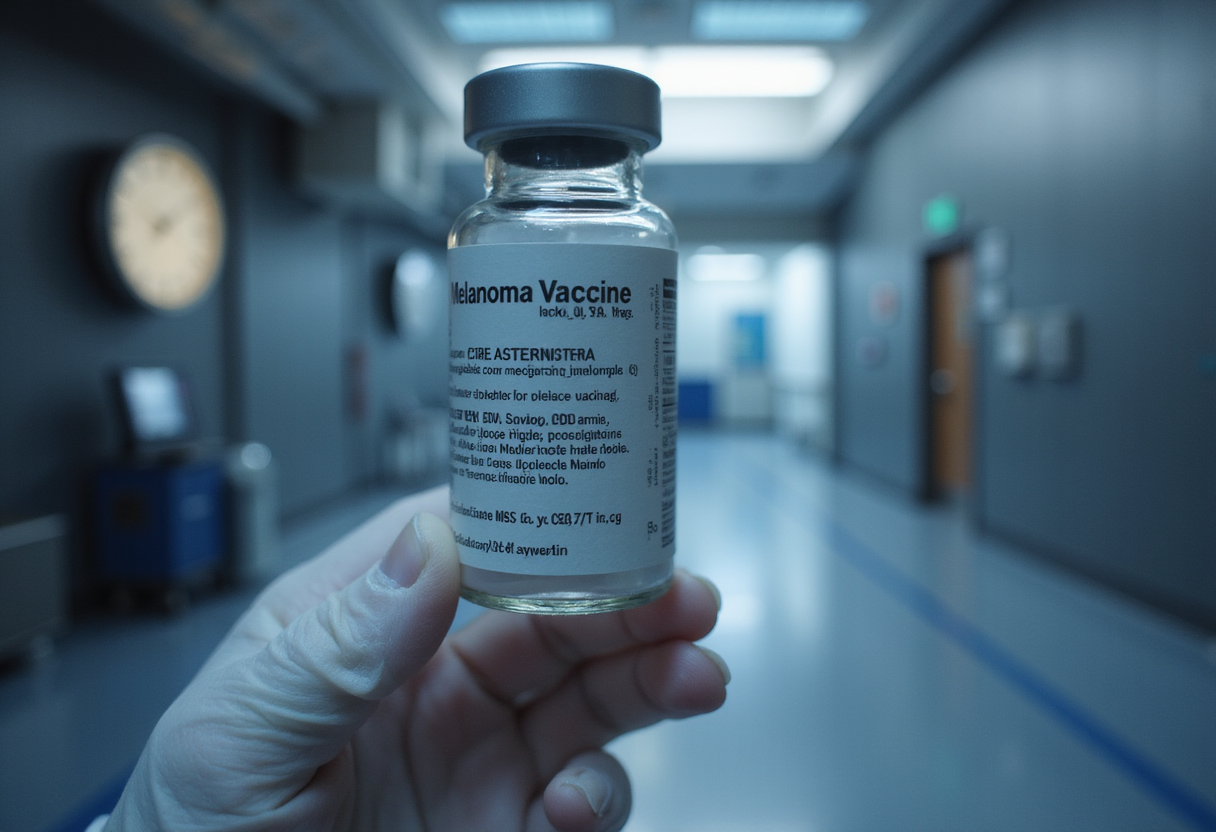
A "breakthrough" designation for a melanoma vaccine has reoriented oncology, and The Washington Post's framing makes the next step explicit: identifying which cancers inherit the platform. That pivot — from melanoma proof-of-concept to a cross-tumor pipeline — pulls dermatology onto the front edge of vaccine oncology rather than leaving it as a downstream bystander.
What does "breakthrough" mean here?
In oncology, "breakthrough" carries two meanings. The first is regulatory: the U.S. Food and Drug Administration's Breakthrough Therapy designation, reserved for drugs showing substantial improvement over existing therapy in serious conditions. The second is colloquial: any advance that moves the needle enough to change clinical expectations.
The Post's framing implies the second sense — strong enough that media, clinicians, and investors no longer ask whether melanoma vaccines work, but what follows. That reframe is itself a milestone. Melanoma, long the proving ground for checkpoint immunotherapy (ipilimumab, nivolumab, pembrolizumab), has now become the proving ground for personalized neoantigen vaccines as well.
For dermatologists, the practical question is direct. Current standard of care for resected high-risk melanoma (AJCC stage III/IV) runs through PD-1 blockade for roughly 12 months. A vaccine that reduces recurrence with a shorter or complementary course would shift surveillance burden, drug-cost exposure, and the immune-related cutaneous events dermatology clinics already manage when patients return for skin checks.
Which cancers are candidates next?
The Post's second clause — "which cancers are next" — does more work than it looks. It implies the antigen-prediction pipeline, manufacturing platform, and trial infrastructure built for melanoma are now being pointed at solid tumors sharing certain features: high mutational burden, accessible tissue for sequencing, and a defined adjuvant setting.
Candidates most often discussed in this category include:
- Non-small cell lung cancer, where neoantigen load is high and adjuvant checkpoint blockade is already standard
- Renal cell carcinoma, long considered immunogenic with a clear adjuvant role
- Muscle-invasive urothelial cancer
- HPV-associated head and neck squamous cell carcinoma
- Cutaneous squamous cell carcinoma, a dermatology-adjacent tumor with rising incidence in immunosuppressed patients
The last item is the dermatology-specific one. If a personalized vaccine platform translates to high-risk cSCC, dermatologic surgeons and Mohs surgeons would inherit an entirely new adjuvant conversation with patients after resection.
What changes for the dermatology clinic?
Three near-term shifts appear likely regardless of which tumor crosses the line first.
Surveillance. Patients on adjuvant vaccine therapy will need structured dermatologic monitoring comparable to existing immunotherapy cohorts — full skin exams, biopsy of suspicious lesions, and management of cutaneous immune-related events. The vaccine-plus-checkpoint combination elevates, rather than replaces, that workload.
Coding and access. Personalized neoantigen vaccines currently run through investigational protocols and pharma-sponsored access programs. After any indication gains approval, dermatology practices will need new CPT and HCPCS pathways for vaccine-administration coding, prior-authorization infrastructure for sequencing-based personalization, and reimbursement logic for the longitudinal surveillance that follows.
Patient counseling. "I've heard there's a melanoma vaccine" already surfaces in clinic visits. Dermatologists will field questions about eligibility, trial enrollment, and out-of-pocket sequencing costs before any mainstream approval lands. The "breakthrough" framing will accelerate that conversation regardless of where regulatory timelines fall.
What remains unresolved
The Post's question — which cancers are next — is deliberately open, because the answer is unsettled. Phase II readouts in non-melanoma tumors, head-to-head comparisons against checkpoint monotherapy, and durability data beyond two years will all shape the answer.
For dermatology, the more practical near-term question is whether the pipeline reshapes cutaneous disease first or whether dermatologists inherit it later as a downstream beneficiary after lung and renal readouts. Either way, melanoma has placed the specialty inside vaccine oncology rather than adjacent to it.
Source: Google News: Melanoma
Daniel Okafor
Show full bio
Staff writer covering people, launches and day-to-day practice in Clinical dermatology, inflammatory skin disease and biologics at Derm Field.