Personalised mRNA Vaccine Stops Melanoma Returning in Reported Breakthrough
Updated
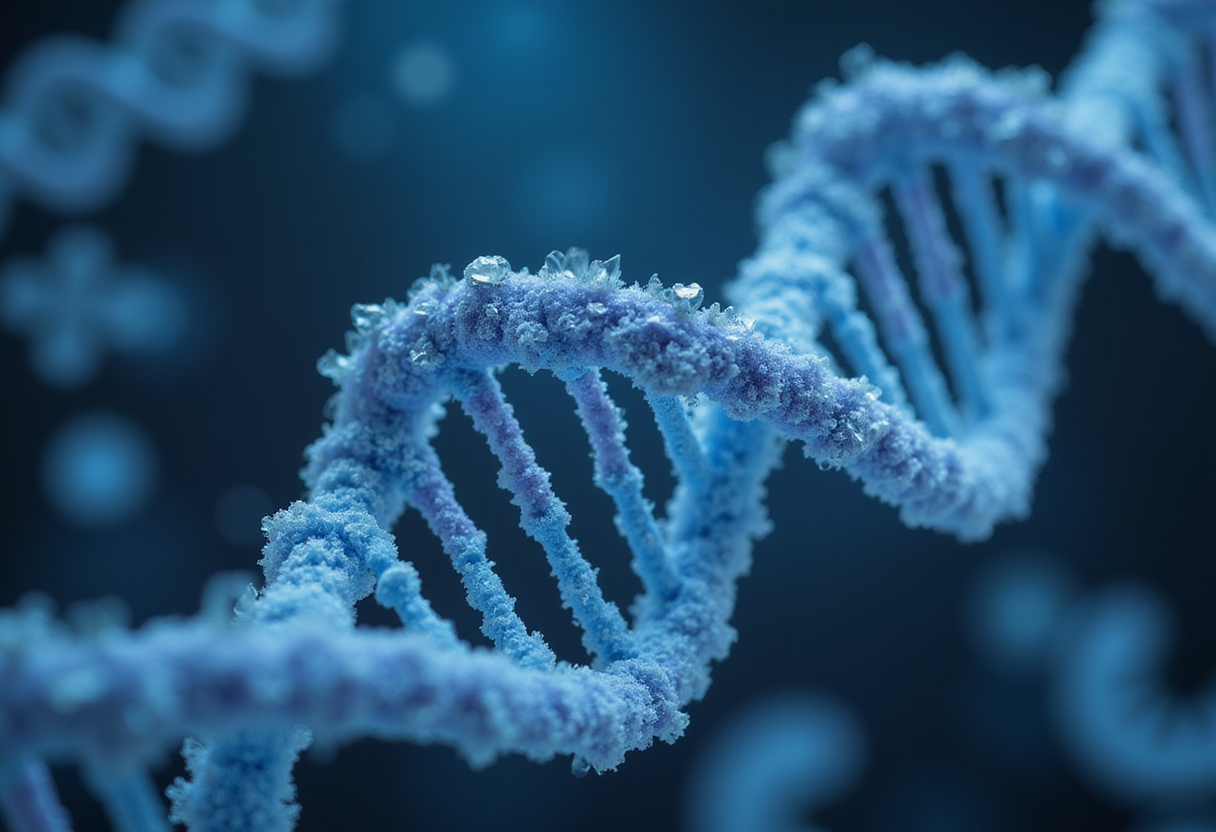
A personalised mRNA cancer vaccine stopped melanoma from returning, according to a report from Gavi, the Vaccine Alliance, which described the result as a breakthrough in cancer immunotherapy.
The reported development concerns individualised neoantigen therapy: a vaccine manufactured for a single patient, designed to train the immune system against the molecular signature of that patient's own tumour. Melanoma, the deadliest form of skin cancer, is the first solid-tumour indication where this mRNA approach has now delivered a reported recurrence-prevention signal at scale in public reporting.
For dermatologists and dermatologic surgeons who manage stage II–IV melanoma and conduct lifelong surveillance of resected patients, the story signals a shift in the post-surgical paradigm. Prevention of recurrence, rather than treatment of overt relapse, is where an mRNA vaccine could change follow-up conversations in the pigmented-lesion clinic.
How does an individualised cancer vaccine work?
The platform borrows directly from the mRNA technology deployed during the COVID-19 pandemic. In an oncology setting, the process runs as follows:
- Tumour tissue and healthy DNA from a patient are sequenced.
- Algorithms identify mutations unique to that tumour — neoantigens the immune system has not previously recognised.
- An mRNA construct encoding those neoantigen targets is manufactured for that one patient.
- Delivery primes T cells to seek out and destroy cells carrying the mutation pattern, aiming to clear residual disease before it becomes measurable recurrence.
The word “personalised” is doing heavy lifting here. Unlike a measles or HPV vaccine, every dose is a bespoke product, and the manufacturing turnaround becomes part of the clinical workflow.
Why does this matter for melanoma specifically?
Melanoma has been the proving ground for modern immuno-oncology, from checkpoint inhibitors to the first approved oncolytic viral therapy. Several properties make it a rational first target for mRNA cancer vaccines:
- Melanomas carry one of the highest tumour mutation burdens of any cancer, supplying a large menu of candidate neoantigens.
- The disease is often diagnosed at a stage where surgical excision is curative-intent yet recurrence risk remains substantial.
- Skin cancers allow tissue access and monitoring that deep visceral tumours complicate.
A therapy that intercepts recurrence after excision would sit directly in the management gap between surgery and adjuvant systemic treatment decisions.
What does this change for the dermatology clinic?
In the immediate term, little. The report describes a therapeutic breakthrough, not a screening or prevention tool, and it does not replace primary prevention messaging, total-body skin examinations or dermoscopic surveillance.
What it does change is the horizon. Dermatologists who detect and excise melanoma are the entry point to the multidisciplinary team that would refer appropriate patients for individualised neoantigen therapy. Understanding which patients might eventually qualify — and how recurrence-risk staging drives that selection — becomes part of the referral calculus.
The report also strengthens the public-health narrative around vaccines. Gavi's coverage frames the result as a demonstration that vaccine technology, honed on infectious disease, now extends into oncology — a message the alliance has an institutional interest in amplifying as it defends global immunisation programmes.
The caveats to keep in view
Breakthrough framing in advocacy media deserves scrutiny. Key questions any clinician should hold open:
- The report does not specify the trial design, cohort size or recurrence-free survival figures behind the headline claim.
- Individualised manufacturing raises cost, turnaround-time and equitable-access questions that an alliance like Gavi is acutely aware of.
- Durability of the recurrence-prevention effect, and performance across AJCC stages, remain to be characterised in peer-reviewed detail.
Manufacturer enthusiasm and regulatory-grade evidence are different evidentiary classes, and this report sits in the former category pending primary-data review.
For now, dermatology's melanoma toolkit — early detection, wide local excision, sentinel node staging and surveillance — is unchanged. But if individualised mRNA therapy sustains its recurrence-prevention signal through confirmatory evaluation, the dermatologist's role expands from finder of the tumour to gatekeeper of a genuinely personalised adjuvant option.
Source: Google News: Melanoma
Daniel Okafor
Show full bio
Staff writer covering people, launches and day-to-day practice in Clinical dermatology, inflammatory skin disease and biologics at Derm Field.