Personalized Melanoma Vaccine Holds 49% Recession Reduction at 5 Years
Updated
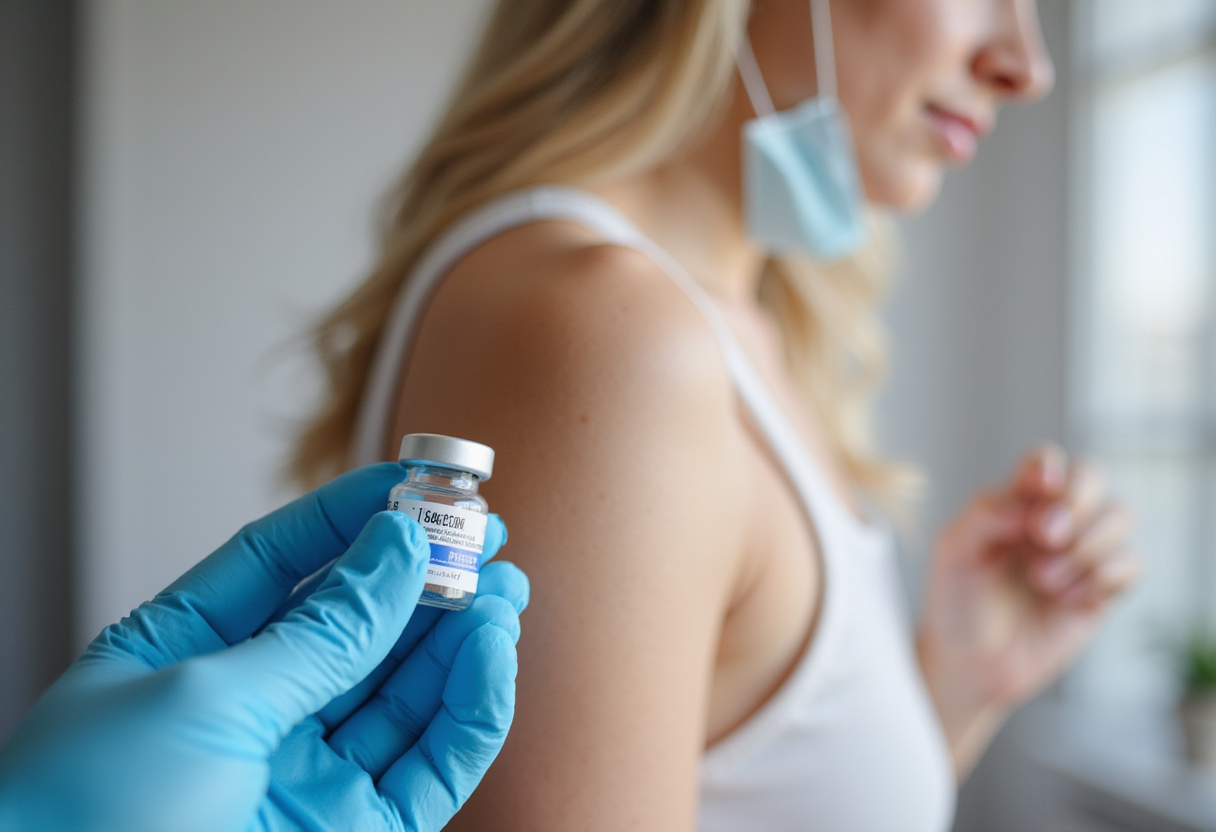
A therapeutic cancer vaccine has sustained a 49 percent reduction in melanoma progression or recurrence five years after treatment, according to a report from NYU Langone Health.
The five-year durability figure is the headline result. It describes how the vaccine's effect on melanoma outcomes persisted long after administration, a timescale that matters in a disease where late recurrence is common and where long-term data have historically been sparse for immunotherapeutic candidates.
Why five-year data matter in melanoma
Melanoma is one of the most immunogenic solid tumors, and it has been the proving ground for most modern cancer immunotherapy. Checkpoint inhibitors changed the standard of care across AJCC stages II–IV, but a substantial fraction of patients still relapse, and durable responses — measured not in months but in years — remain the metric clinicians watch most closely.
For a therapeutic vaccine, the five-year mark is a critical test. Many immunotherapeutic candidates that show early activity lose their edge with longer follow-up. A reduction in melanoma events that holds at 49 percent after five years suggests the immune response the vaccine generates is not transient.
What the number means
The reported 49 percent figure represents a reduction in melanoma recurrence or progression relative to the comparison arm, maintained at the five-year timepoint. The NYU Langone report frames this as evidence that the vaccine's benefit is durable rather than a short-lived effect confined to the initial treatment period.
For dermatologists and dermatologic surgeons who diagnose and excise the primary lesion, the implication is straightforward: if a therapeutic vaccine can keep high-risk patients free of recurrence at this rate over five years, the post-surgical management landscape for advanced melanoma could shift meaningfully. Patients who today move to surveillance alone — or to checkpoint blockade with its attendant toxicity profile — may eventually have an additional option with a distinct mechanism.
The context dermatology practices should track
Cutaneous melanoma incidence continues to rise, and most patients first enter the care pathway through a dermatology clinic: a suspicious pigmented lesion, a biopsy, a Breslow thickness that determines staging and prognosis. Therapies that change relapse rates in resected disease operate directly downstream of that diagnostic moment.
A 49 percent sustained reduction, if confirmed in broader populations, would place the vaccine among the more consequential adjuvant developments in melanoma since the checkpoint inhibitor era. The durability question — does the effect hold at seven years, at ten? — remains the natural next chapter.
What to watch next
NYU Langone Health's report positions the five-year data as a milestone for the cancer vaccine field. Key questions for the near term include whether the benefit extends across melanoma subtypes and stages, how the vaccine performs in combination with existing immunotherapies, and which patient populations stand to gain most.
For now, the durable 49 percent reduction stands as the strongest signal yet that therapeutic vaccination in melanoma can produce lasting clinical benefit, and longer follow-up and broader trials will determine whether it becomes part of routine post-surgical care.
Source: Google News: Melanoma
Sophie Lindqvist
Show full bio
Market editor covering people, launches and day-to-day practice in Clinical dermatology, inflammatory skin disease and biologics at Derm Field.