Personalized mRNA Cancer Vaccine Emerges in Melanoma Fight
Updated
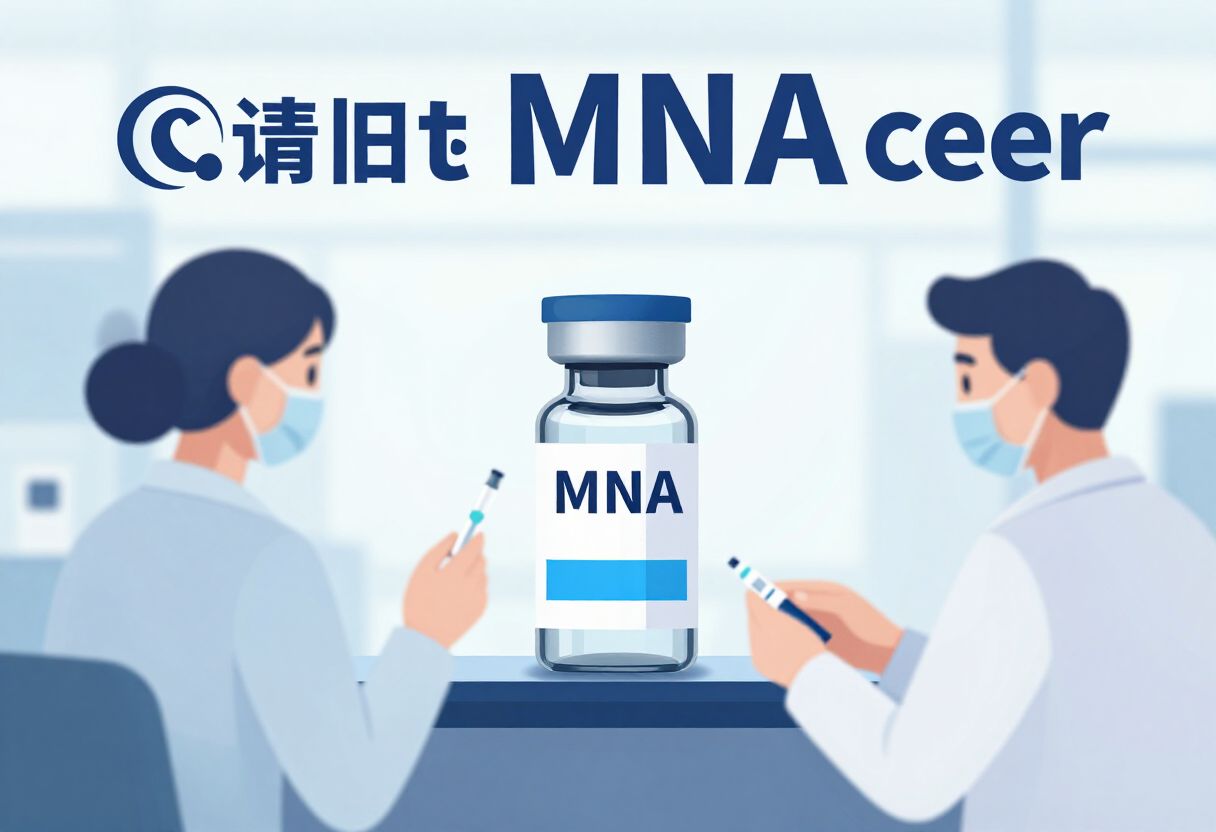
A cancer vaccine built for a single patient. That is the promise now surfacing in melanoma care, as messenger RNA — the platform that powered the fastest vaccine rollout in modern medicine — moves into oncology.
NPR has spotlighted the arrival of individually manufactured mRNA cancer vaccines aimed at melanoma, the deadliest form of skin cancer. The report signals a shift that dermatologists and oncologists have watched build since the pandemic: the same delivery machinery that taught immune systems to recognize a coronavirus spike protein can, in principle, be reprogrammed to teach them to recognize a patient's own tumor.
The logic is precise. Every melanoma carries a distinct set of mutations, and no two patients' tumors are genetically identical. A personalized mRNA vaccine is manufactured to match the mutation profile of one person's cancer. The vaccine instructs the patient's cells to produce fragments of those tumor-specific antigens. The immune system then mounts a targeted response against cells displaying those markers — in effect, a bespoke therapeutic rather than a one-size-fits-all drug.
For dermatology, the arrival of this platform in melanoma carries particular weight. Cutaneous melanoma remains the skin cancer most likely to metastasize and most likely to kill, and while checkpoint inhibitors have transformed outcomes for advanced disease in the past decade, a substantial share of patients still do not respond durably. Combination strategies — pairing immunotherapy with a vaccine designed to amplify tumor-specific immunity — represent the next therapeutic frontier, and mRNA is the leading vehicle for that effort.
The revival of mRNA in this setting should not read as a surprise. The platform's core advantages — rapid manufacturing, adaptability to new antigen targets, and a strong safety profile established across billions of doses — were always as relevant to cancer as they were to infectious disease. What the pandemic provided was scale, funding and manufacturing infrastructure. Oncology is now inheriting all three.
For clinicians who manage melanoma patients, several practical questions will shape how quickly this technology reaches the exam room. Manufacturing turnaround is one: a vaccine tailored to an individual tumor requires sequencing the cancer, selecting antigen targets and producing a patient-specific product — a workflow far more complex than dispensing an off-the-shelf therapy. Cost and reimbursement pathways are another. Regulatory frameworks for personalized products, where each dose is effectively its own investigational formulation, are still maturing.
Dermatologists will also play a role earlier in the chain. Tumor tissue obtained at biopsy or excision — with its Breslow thickness, ulceration status and staging workup already anchoring prognosis — becomes the raw material from which a vaccine's antigen targets are derived. The quality and timing of that tissue acquisition matters in a way it never did before.
Patients are already asking about this. The phrase "cancer vaccine" carries enormous emotional charge, and clinicians should be prepared to distinguish between preventive vaccines, which block infection-related cancers, and therapeutic vaccines, which treat existing disease by training immunity against tumor cells. The melanoma mRNA programs now drawing attention fall squarely into the second category.
The NPR report arrives at a moment when interest in mRNA oncology is accelerating across multiple tumor types, with melanoma — immunologically responsive and mutation-rich — serving as the proving ground. Whether personalized vaccines become standard adjuvant therapy for high-risk resected melanoma, or remain a niche intervention, will depend on survival data, manufacturing logistics and payer decisions still to come. What is already clear is that the technology has moved from theoretical to clinical, and skin cancer is where it is drawing its first line.
Source: Google News: Melanoma
Olivia Hart
Show full bio
News editor covering technology and product news in Clinical dermatology, inflammatory skin disease and biologics at Derm Field.