An mRNA Cancer Vaccine Gave One Melanoma Patient a Path Forward
Updated
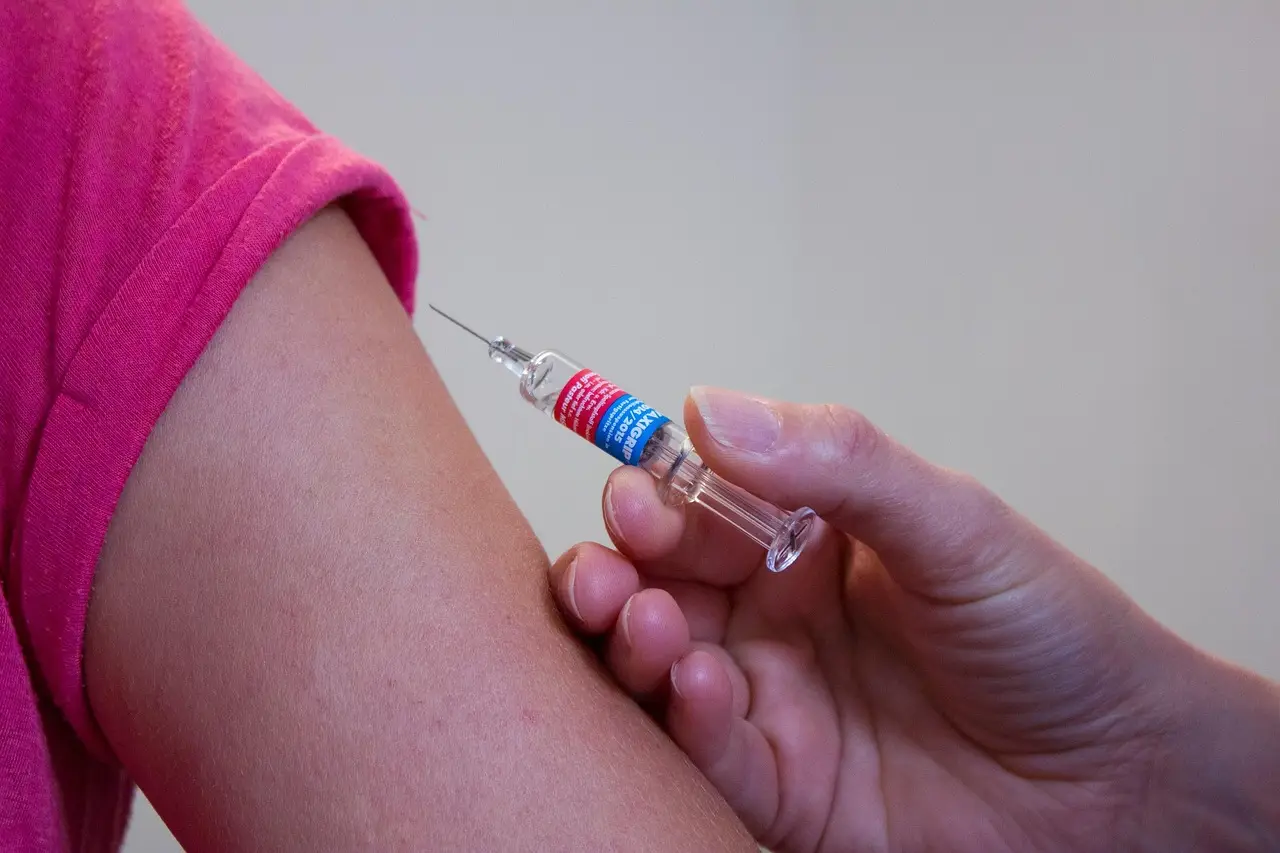
A melanoma diagnosis set one patient on a course that ended with an mRNA cancer vaccine — and, as STAT reports, delivered both hope and a concrete way forward.
That sentence alone should stop any dermatologist or skin-cancer clinician for a beat. Melanoma, once metastatic, has long been a disease where options narrowed fast. mRNA technology, which most of the field first met through COVID-19 platforms, is now being aimed squarely at this cancer — and individual patients are already living inside that shift.
The STAT report is a patient story, not a trial readout, and that distinction matters. There is no PASI-style endpoint here, no AJCC stage or survival curve published in the piece itself. What it offers instead is the human thread behind a technology that the skin-cancer community has been watching closely since mRNA-4157 (V940) entered phase 3 testing alongside pembrolizumab for resected high-risk melanoma. Patient narratives like this one tend to arrive just as a therapy class crosses from conference abstracts into exam-room conversations.
Why the Skin-Cancer World Watches mRNA Closely
Melanoma is, immunologically speaking, the tumor type that taught oncology what checkpoint inhibitors could do. Ipilimumab, then nivolumab and pembrolizumab, rewrote the metastatic playbook over the past decade. mRNA vaccines represent the next logical step: a therapy built around a patient's own tumor mutational profile, training the immune system against neoantigens unique to that cancer.
For a tumor like melanoma — which carries one of the highest mutational burdens of any cancer — that tumor-specific approach is not a random fit. It is arguably the cancer where personalized neoantigen vaccines make the most biological sense.
The patient in STAT's account received that kind of individualized treatment after diagnosis. The vaccine did not erase the disease's gravity. It gave the patient something metastatic melanoma rarely offered a generation ago: a forward path, and a reason to plan for the future.
What Does This Change for Clinicians Right Now?
In day-to-day practice, honestly? Not the standard of care — yet. mRNA melanoma vaccines remain investigational outside of trial access. No dermatologist is writing this prescription at the bedside this month.
But three practical implications are already real:
-
Referral conversations. Patients newly diagnosed with high-risk or advanced melanoma are reading pieces like STAT's and arriving with questions. Clinicians need a ready, accurate answer about what these vaccines are and where the evidence stands.
-
Trial enrollment. Patient-facing media coverage reliably drives interest in clinical trials. Practices that refer into melanoma immunotherapy studies should expect more calls, and should know which trials are open locally.
-
**Expectation management.**Hope is the headline word in coverage like this. The clinical conversation has to balance that hope against the reality that these agents are still being tested for efficacy, safety, and the right patient population.
The Bigger Arc
What a single patient story captures better than any data table is the direction of travel. Ten years ago, the conversation after an advanced melanoma diagnosis centered on survival measured in months. Today it can include a therapy designed for one person's tumor, built on a platform that can be reprogrammed in weeks.
The mRNA vaccine story in melanoma will ultimately be judged on phase 3 data — recurrence-free survival, overall survival, safety tolerable enough to justify combination with checkpoint blockade. Those numbers, not headlines, will decide whether this becomes routine.
Until then, pieces like STAT's serve a function the field shouldn't dismiss. They put names and faces on the pipeline that dermatologists, oncologists, and patients are all watching, and they hint at where melanoma care is heading: toward treatments that are personal at the level of the mutation, not the diagnosis.
Source: Google News: Melanoma
Sophie Lindqvist
Show full bio
Market editor covering people, launches and day-to-day practice in Clinical dermatology, inflammatory skin disease and biologics at Derm Field.