WVU Medicine Flags mRNA Melanoma Vaccine as News of Note
Updated
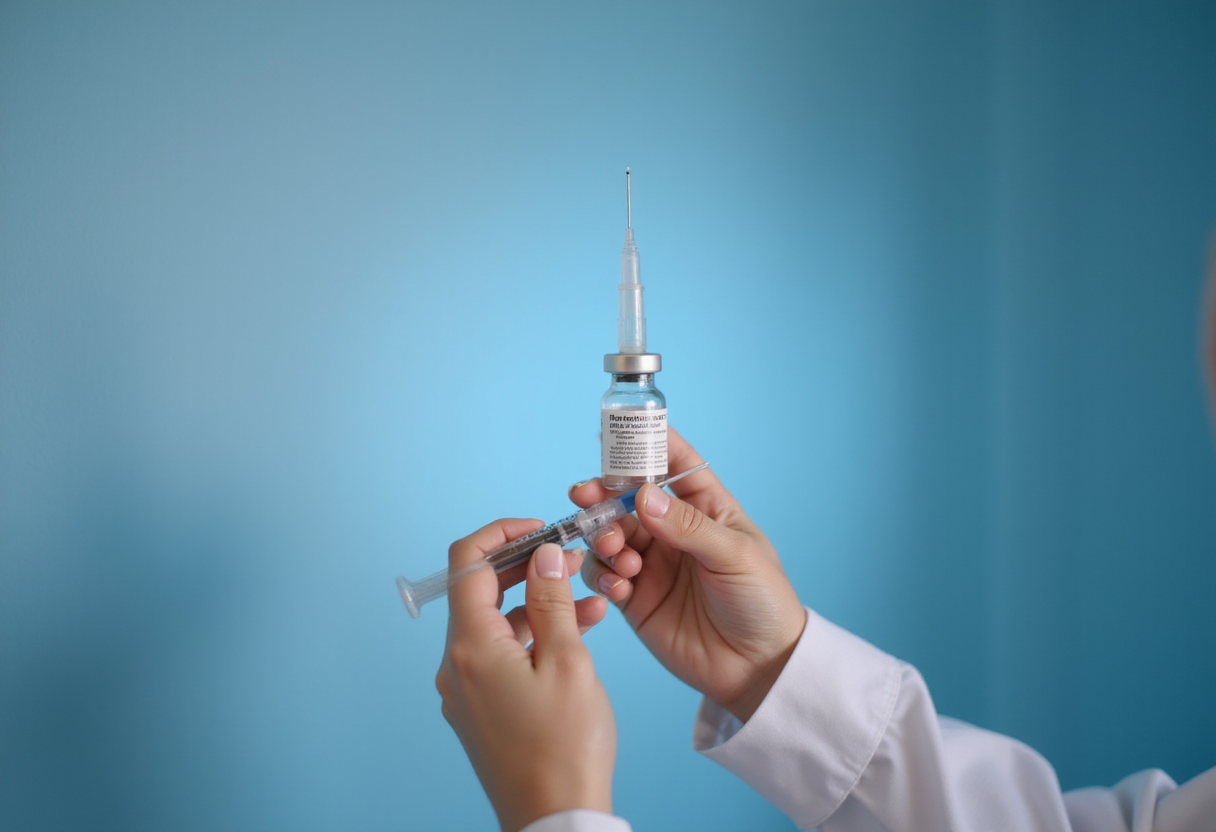
WVU Medicine has published a "News of Note" item on an mRNA vaccine for melanoma, signaling that personalized mRNA immunotherapy is moving from trial readouts into the conversation at academic centers that treat the disease.
The item is brief. It does not report new phase 3 data, a regulatory decision, or a protocol change at WVU itself. What it does is something quieter, and for practitioners arguably just as telling: a major academic medical center judged an mRNA melanoma vaccine worth flagging to its clinicians and patients this week.
Why the headline matters on its own
An mRNA therapeutic vaccine for melanoma is not a future concept anymore. It is a clinical-development reality that dermatologists, surgical oncologists, and medical oncologists already cross paths with, mostly through patients asking about it. When a health system like WVU Medicine elevates the topic in its own news channel, the practical effect is that the patient-side information pipeline just widened.
Expect more questions at the bedside. That is the short version.
The longer version depends on trial context. Published randomized data in this space — the modern era of individualized neoantigen therapy combined with checkpoint blockade in resected melanoma — has shown recurrence-free survival benefit in phase 2b, with a phase 3 program under way. That is the backdrop against which institutions are now communicating. (The WVU item itself does not cite figures; Derm Field is reporting the item as published and will update with specifics as they emerge.)
What does this change for dermatologists?
Right now, nothing in terms of standard of care. No mRNA melanoma vaccine holds approval, and nothing in the WVU item suggests an approval, an expanded access protocol, or a site-specific study opening at WVU.
What changes is the counseling burden. Patients with resected high-risk melanoma — stage IIB and beyond, the population where adjuvant immunotherapy decisions already live — will increasingly arrive having read about mRNA vaccines. Dermatologists who make the initial diagnosis and coordinate surgical referral sit first in that conversation.
Three practical points follow:
- Know the framing: these are therapeutic, individualized neoantigen-directed vaccines studied alongside anti-PD-1 therapy, not prophylactic shots.
- Know the status: investigational, with randomized evidence of recurrence-free survival benefit at the phase 2b level and confirmatory trials ongoing.
- Know the referral geography: which centers in your region run melanoma vaccine trials, so the answer to an interested patient is a name and a number, not a shrug.
The surveillance angle
There is also a dermatologic duty hiding in this story. Vaccine-era adjuvant therapy only works if melanoma is caught and staged accurately, which keeps Breslow thickness, ulceration status, and mitotic rate central to every biopsy report. The more effective systemic options become, the more the first excision and its documentation matter.
Derm Field will follow this item as additional detail emerges from WVU Medicine, including any named sponsor, trial identifier, or enrollment site.
Source: Google News: Melanoma
Sophie Lindqvist
Show full bio
Market editor covering people, launches and day-to-day practice in Clinical dermatology, inflammatory skin disease and biologics at Derm Field.